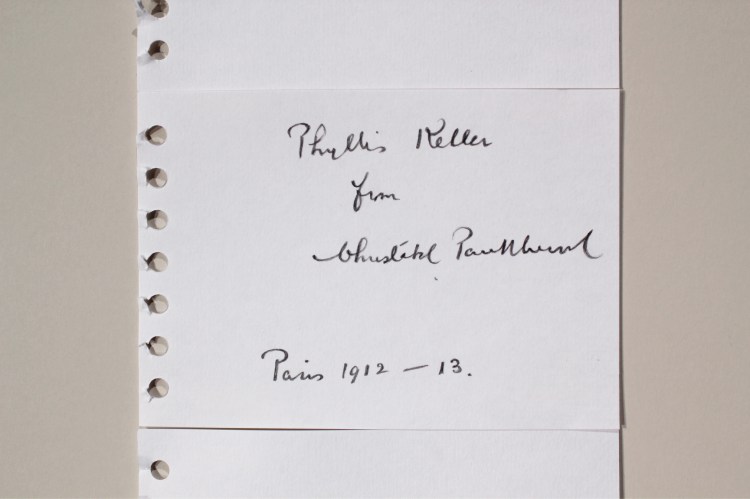
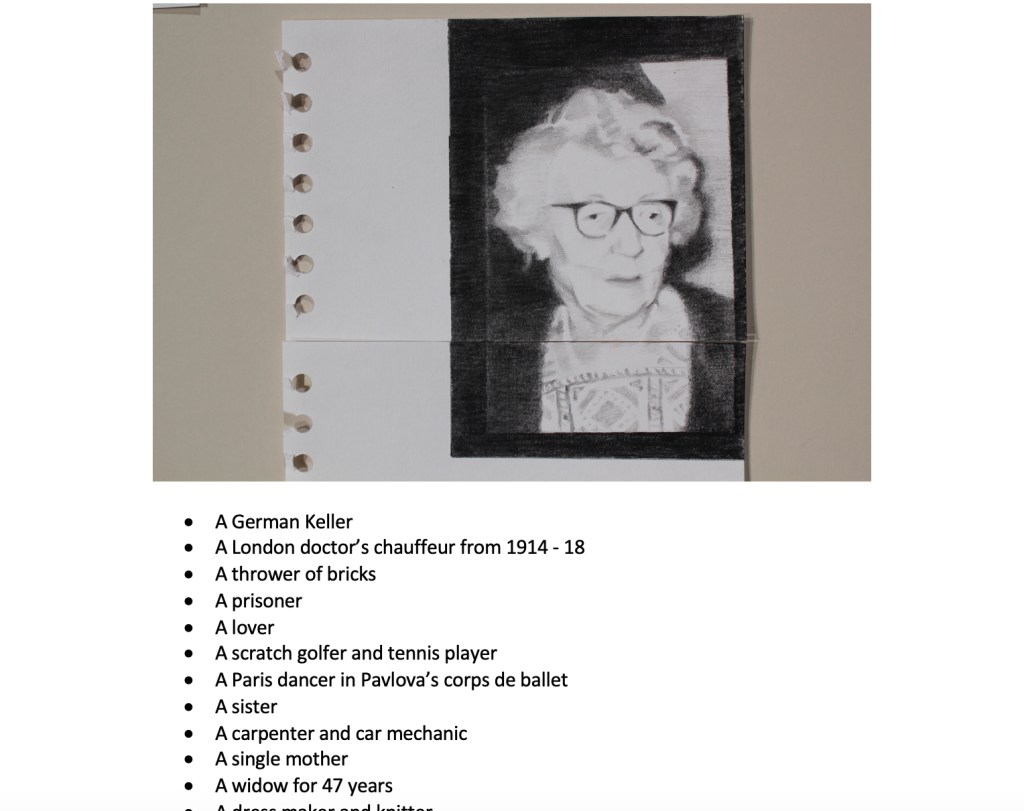
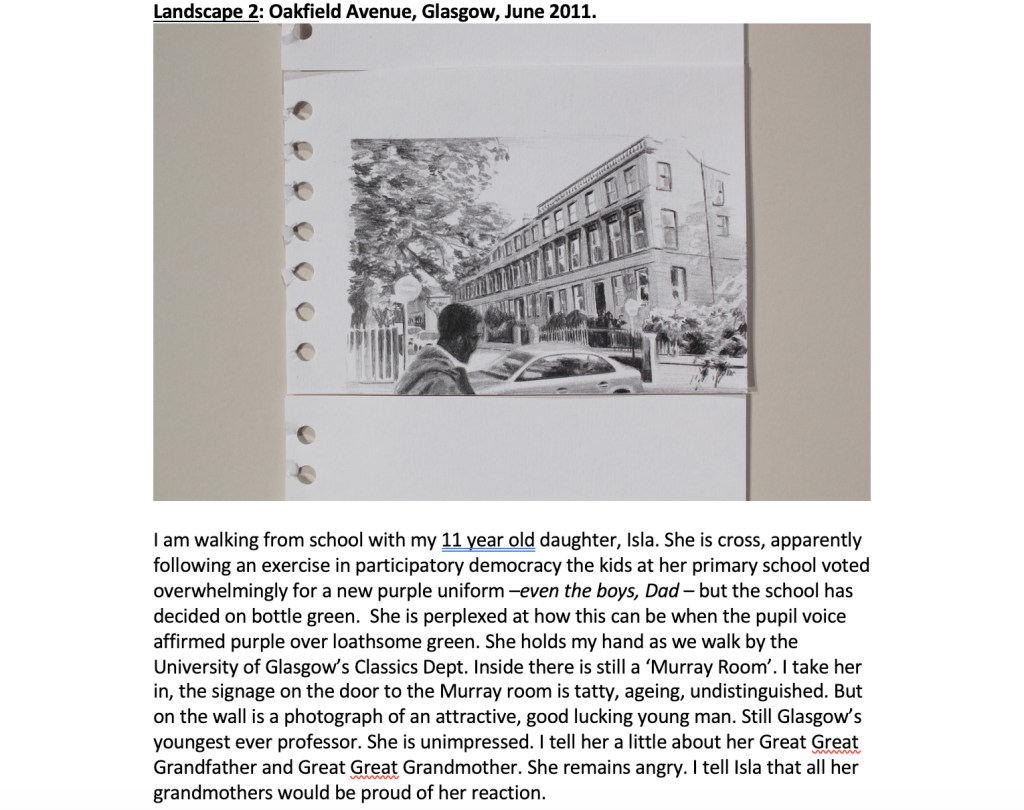
Deceptive landscapes: fragments of unreliable memory (2011), was a performance lecture imagined, composed and performed by Simon Murray and Wendy Kirkup. Provoked by reflections on the multiple meanings enshrined in the word landscape, this performance played with landscape as inscape, as family history, as longing, as unreliable memory and as always ‘bubbling up around us’ (Mike Pearson). These fragments play particularly with the real and imagined memories of heroic but complex women in Simon’s family.
Exhibition:
2011 Art after George, curated by Raf Appleby, Dacre Hall at Lanercost Priory in Cumbria.
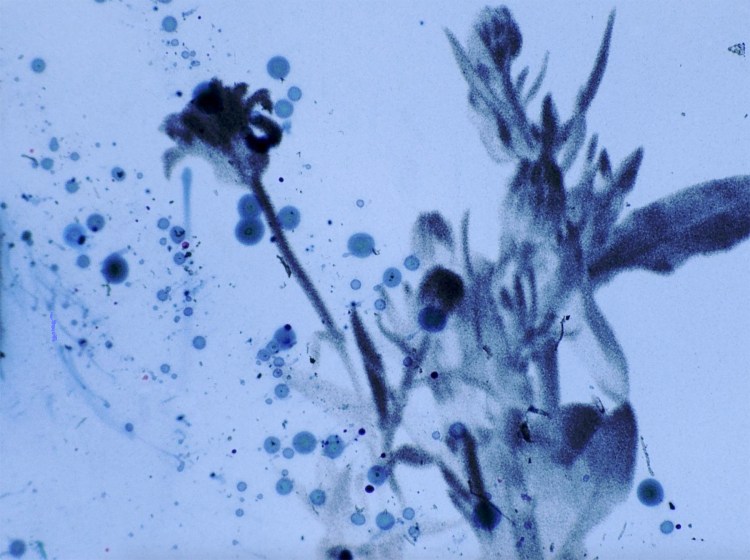
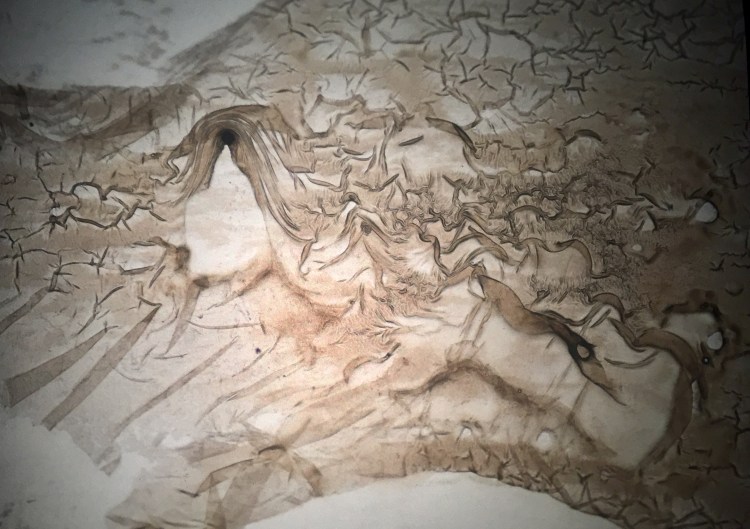
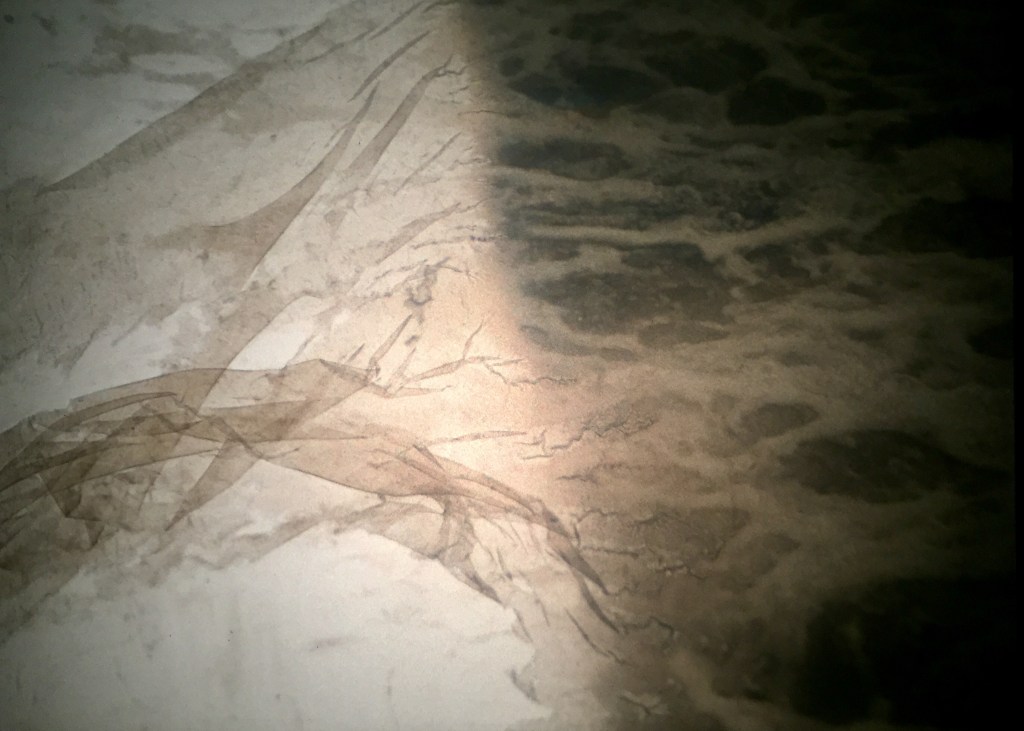
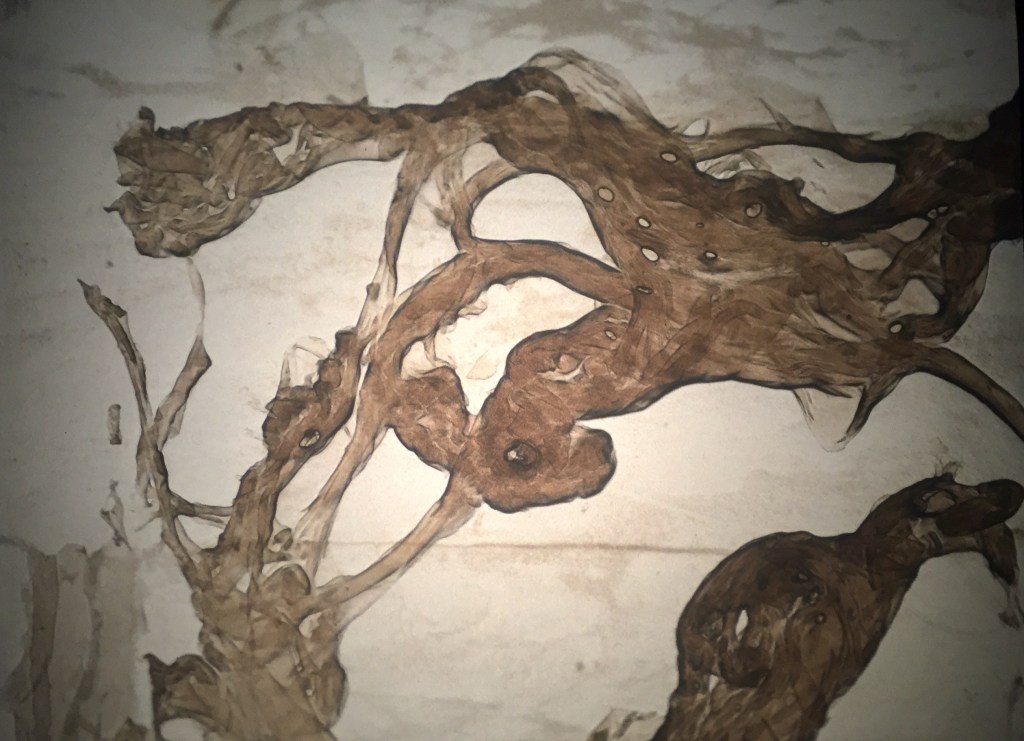
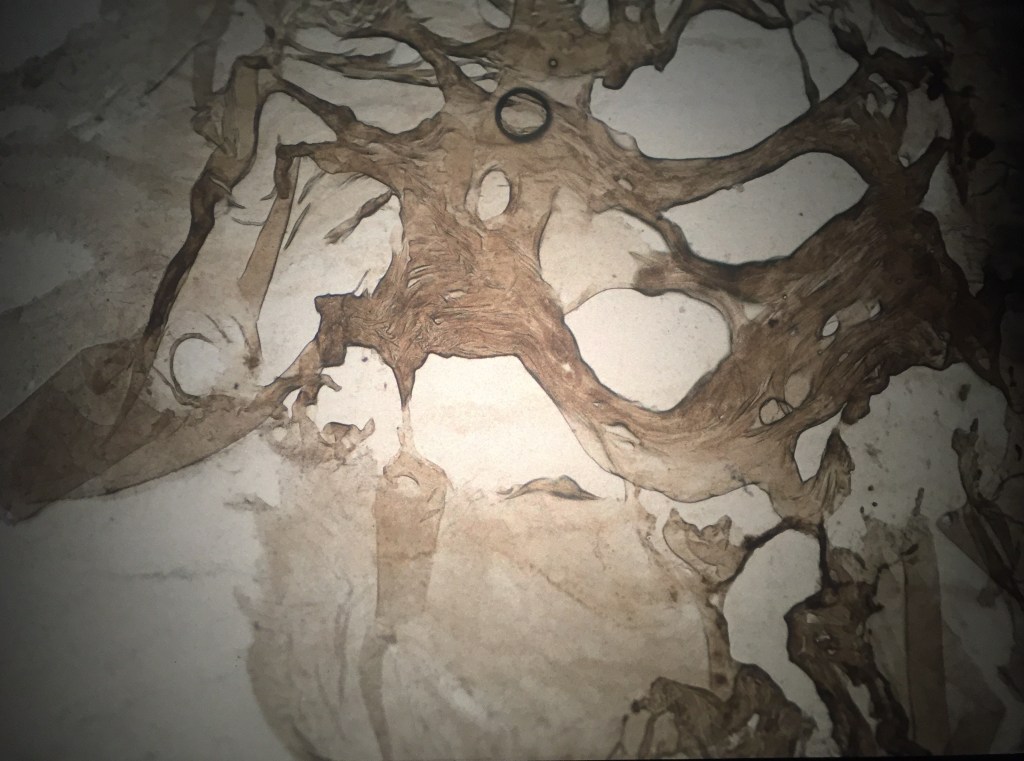
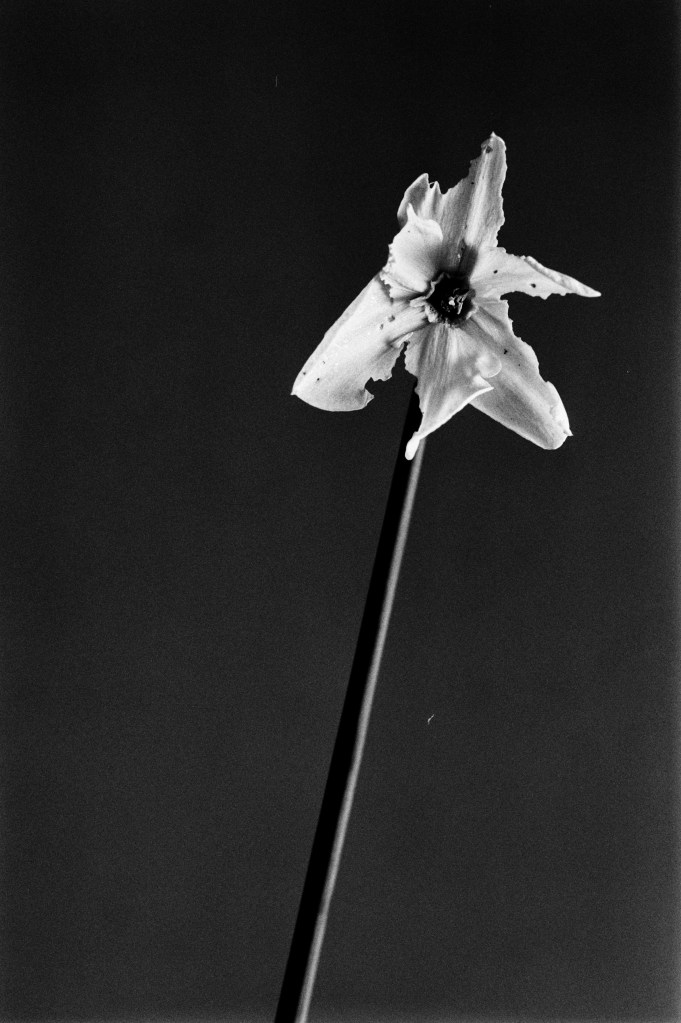
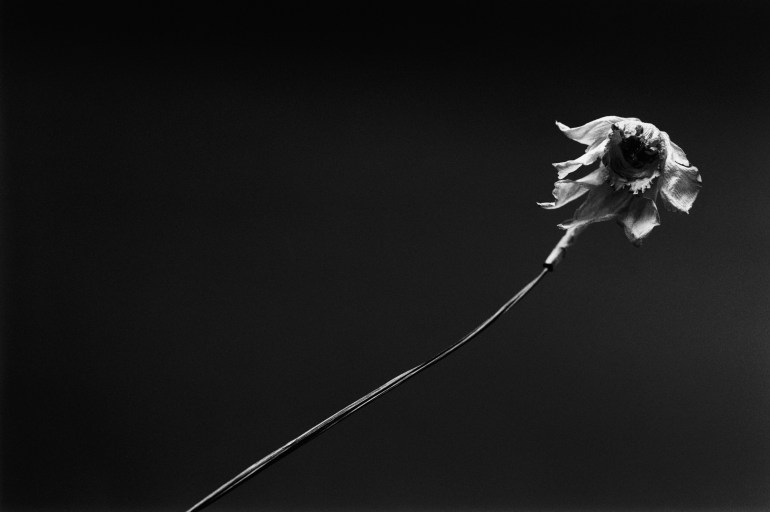
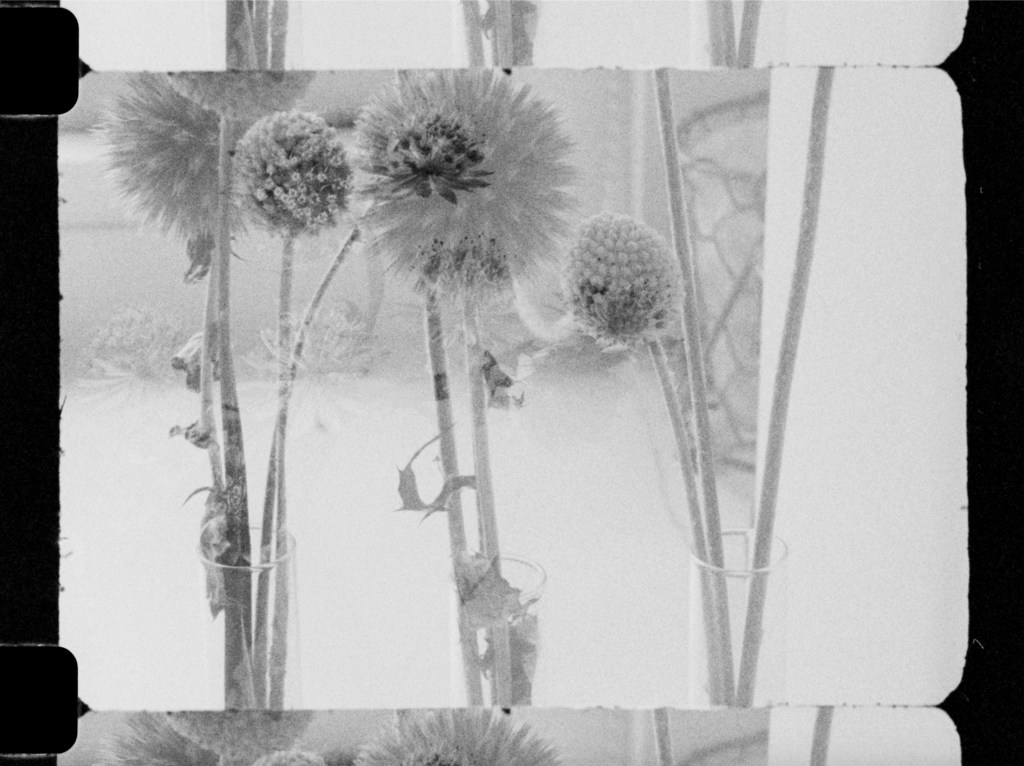
16mm film, B&W, 3 mins, silent. Footage developed by James Holcombe using a mordençage process, 2021. Research towards the making of rough cut botanical (2022)
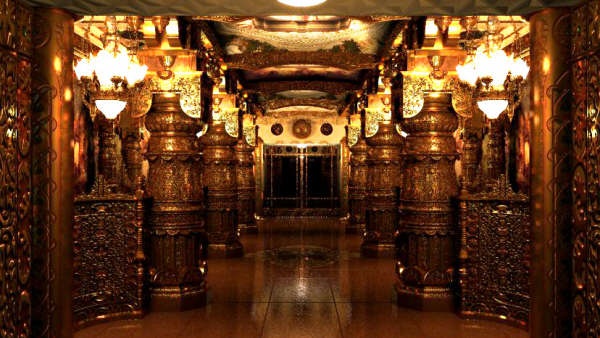
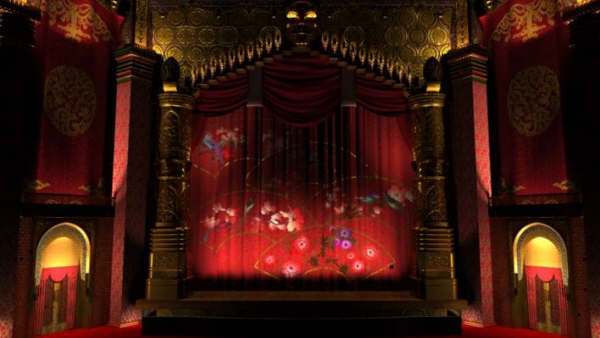
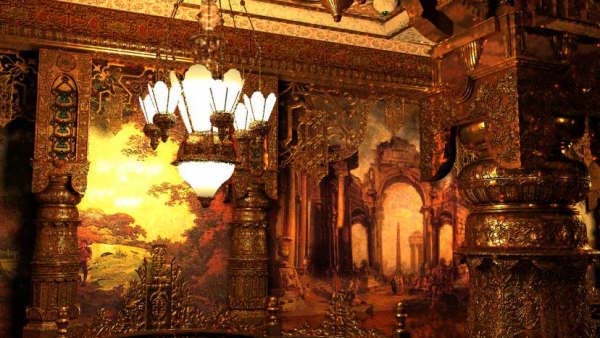
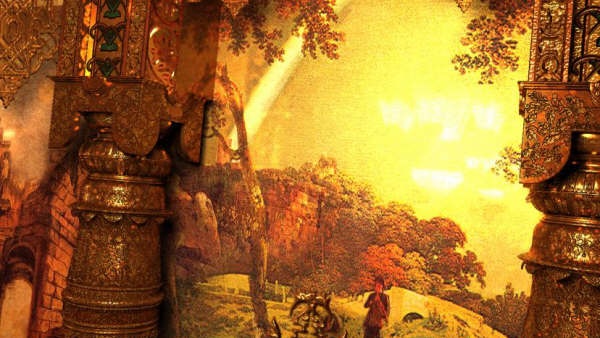
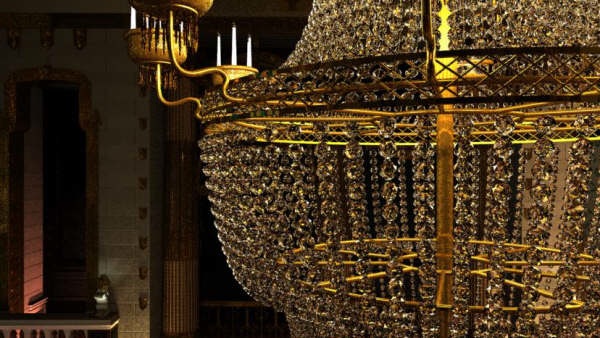
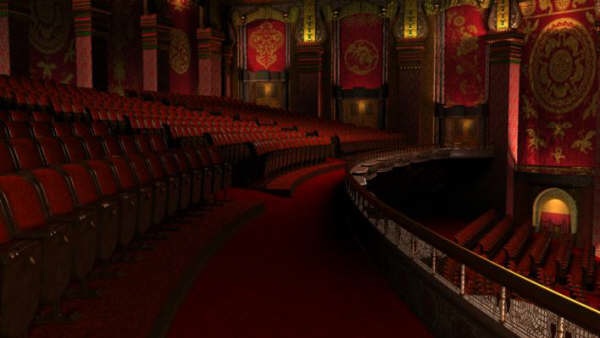
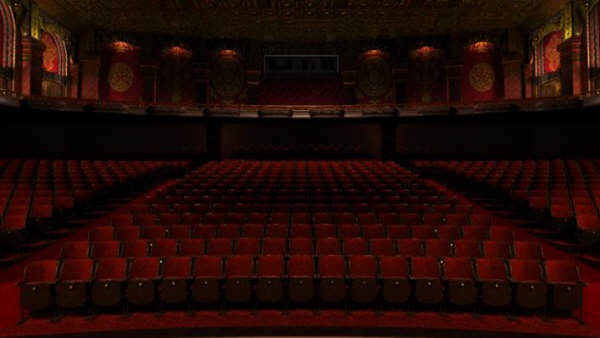
Map (2010) is a short film made using 3D computer visualisation. It is a meditation on architecture, film and cinematic spectacle. Map draws on the history of the Hollywood Picture Palace , the architects of which drew extensively on representations , both real and imagined, of palaces and landscapes. The film proposes a relationship between this architectural imagining and its precursors in the panoramic travelogue films of early cinema. Here the Picture Palace becomes itself an architectural and theatrical ‘set’ of imagined geography, embodying a cultural legacy and memory of aspirations and values reinforced and given voice by the Hollywood film industry.
Credits:
Creative Director: Wendy Kirkup Computer Imagery: LIGHTLAB Music:Jean Hasse Sound: Dave Hamill and Jonathan Scott
Screenings:
2010 Map, Tyneside Cinema, Newcastle upon Tyne.
2009 ARC Shorts, ARC, Stockton, UK..
Supported by: Arts Council South West Northumbria University
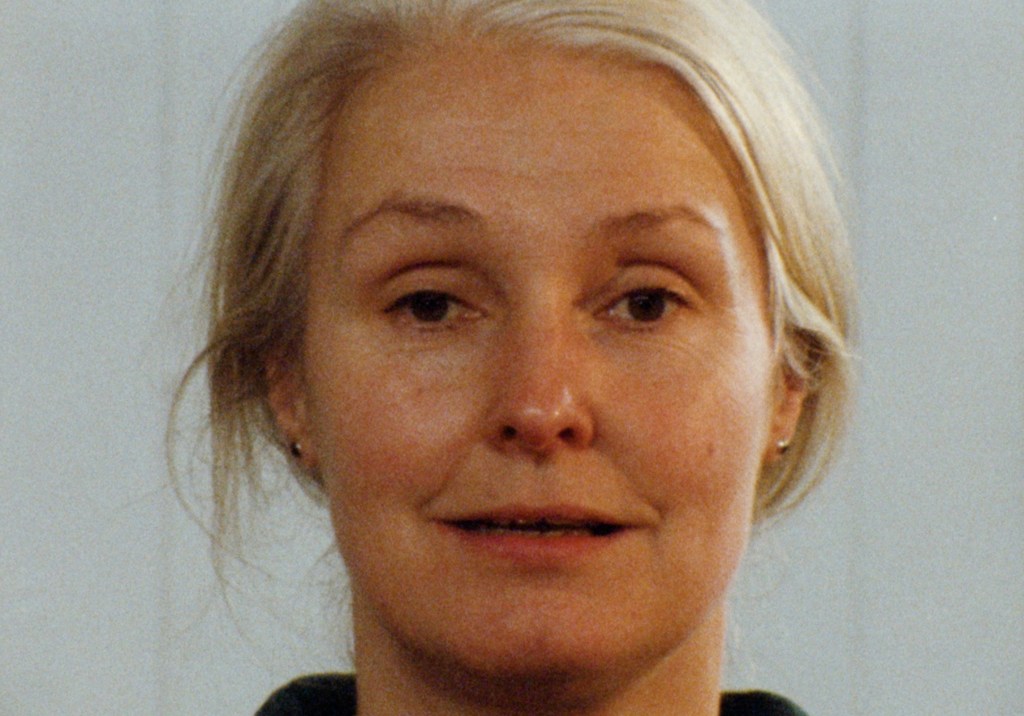
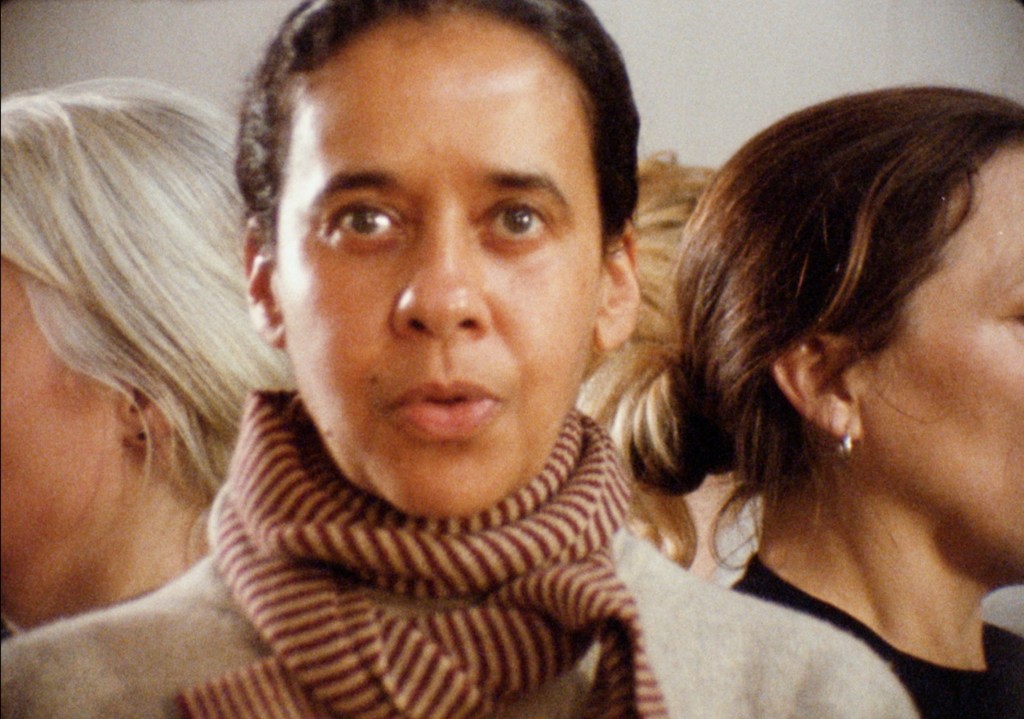
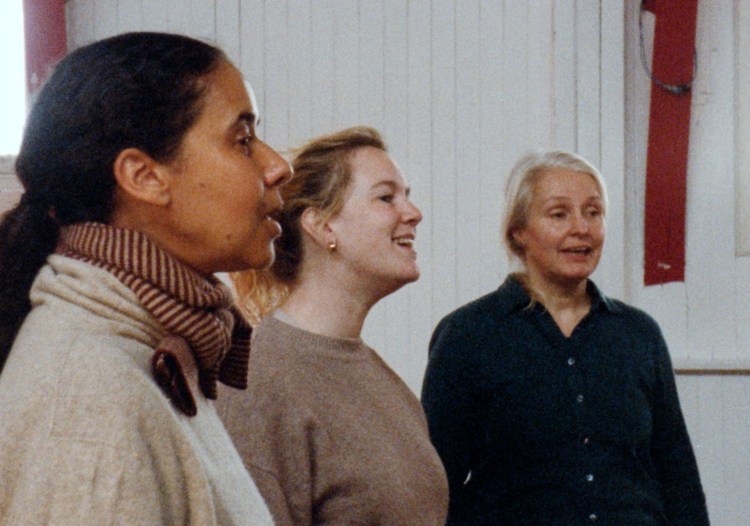
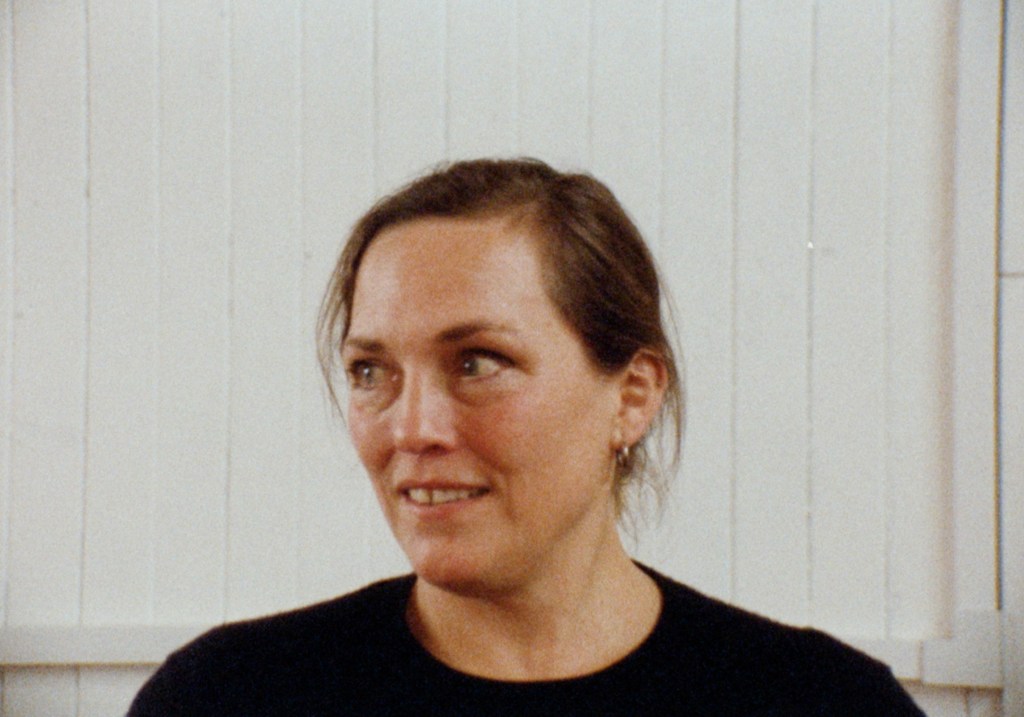
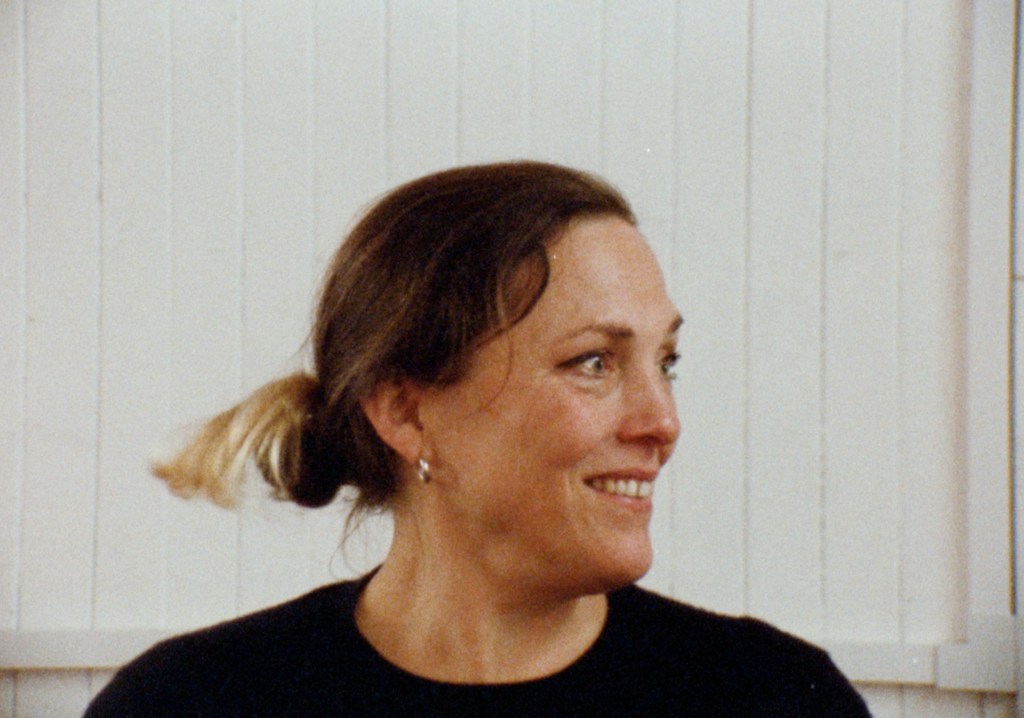
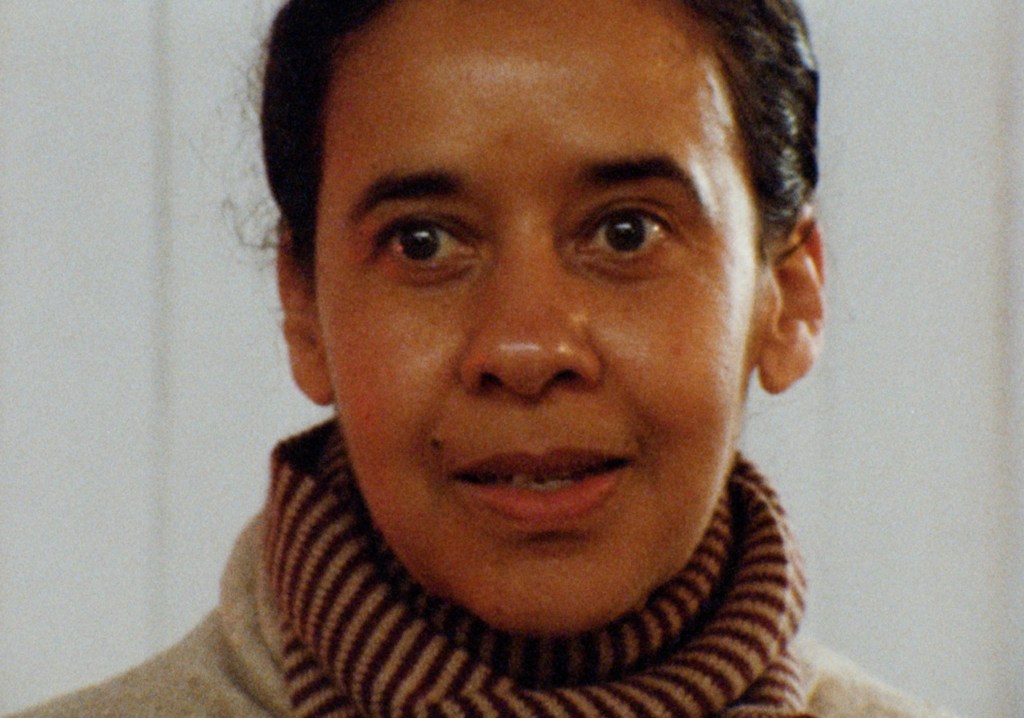
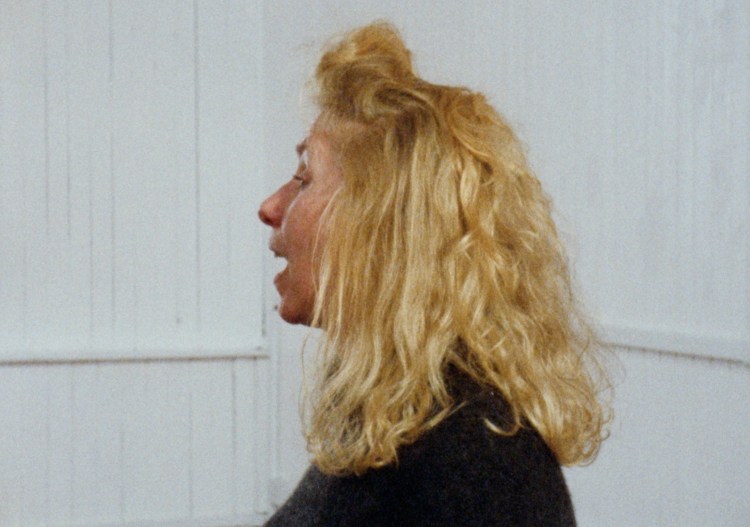
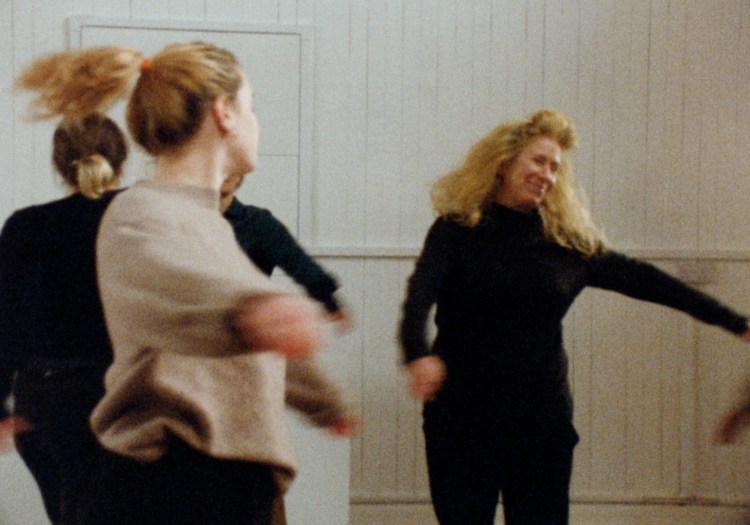
Gestures of Listening16mm colour film, stills, 2021
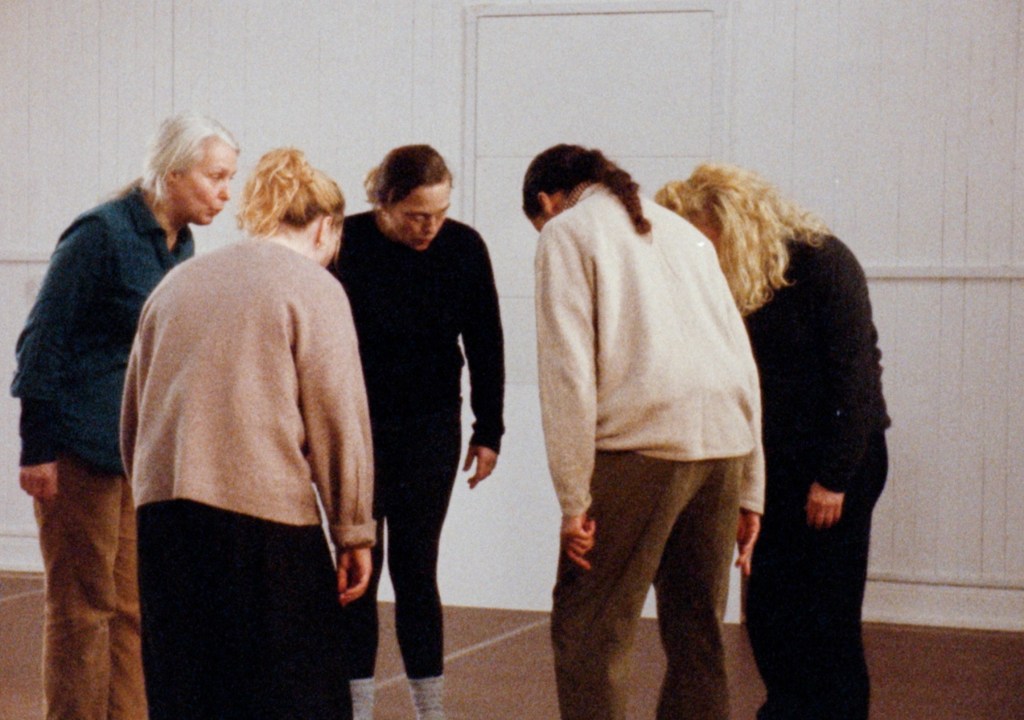
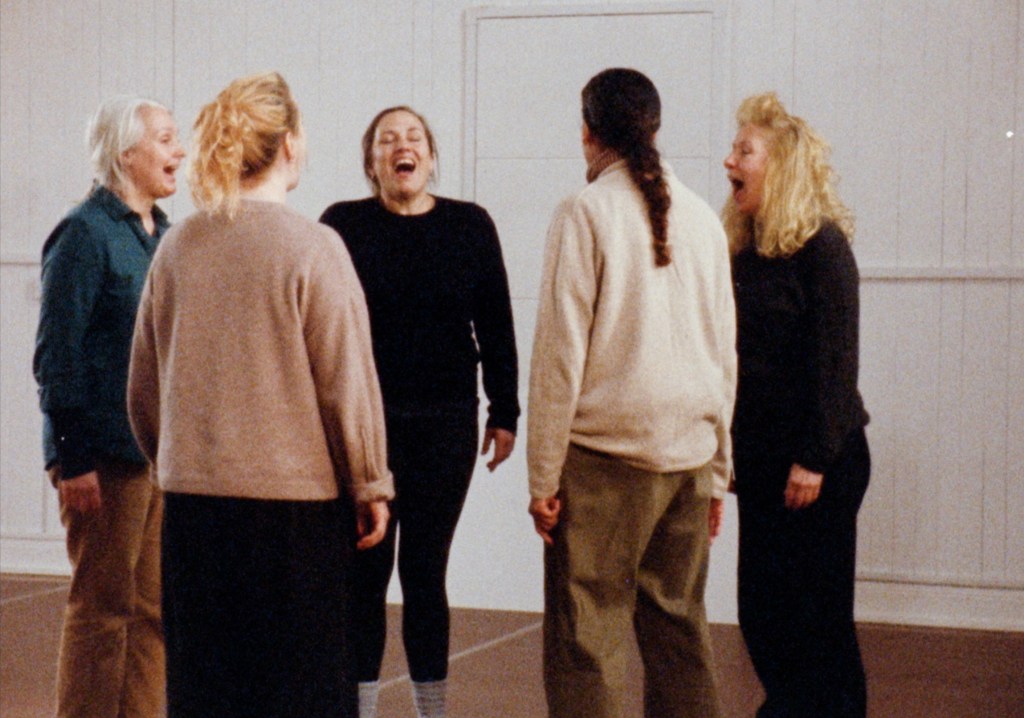
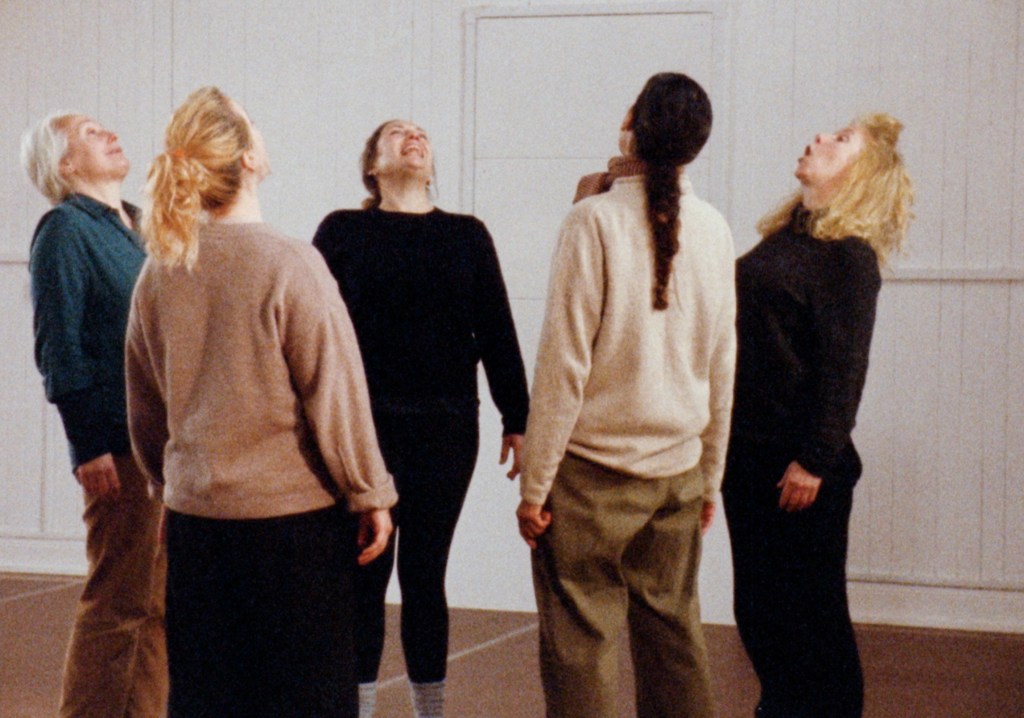
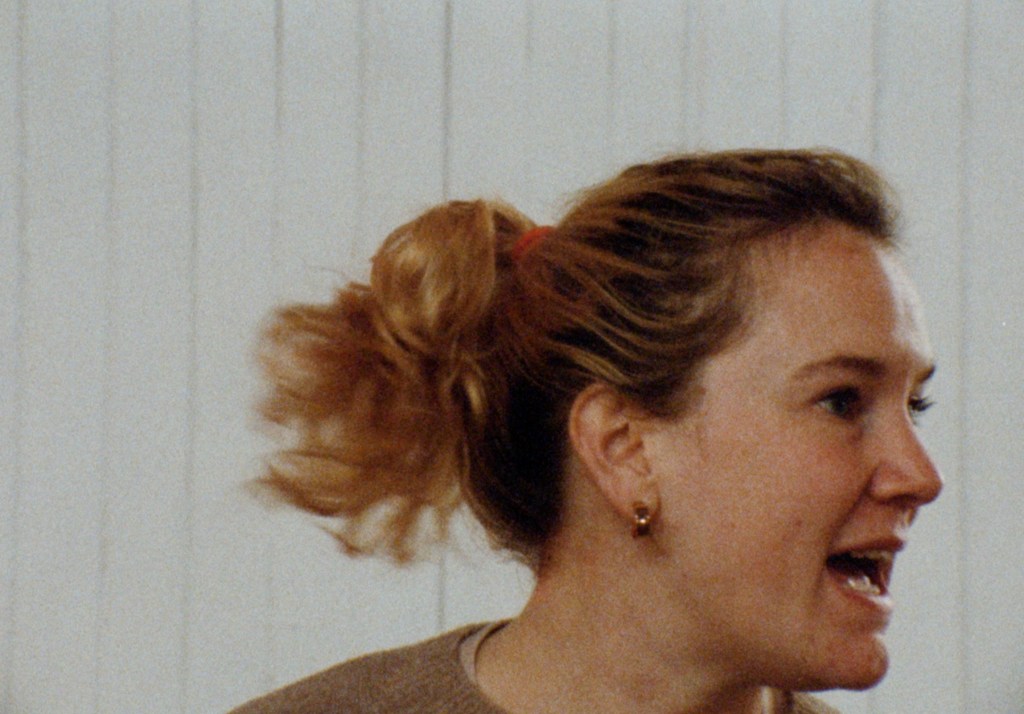
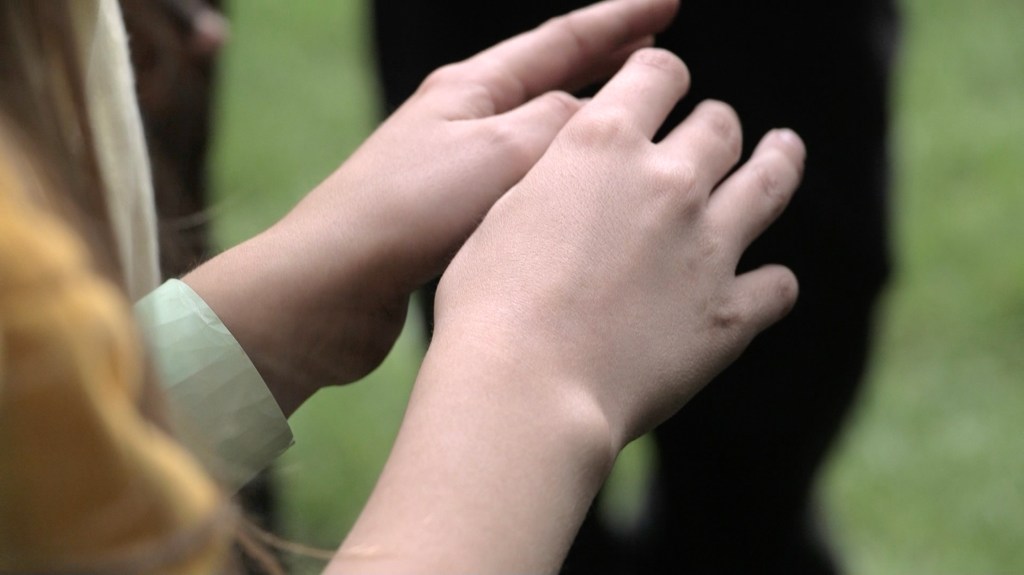
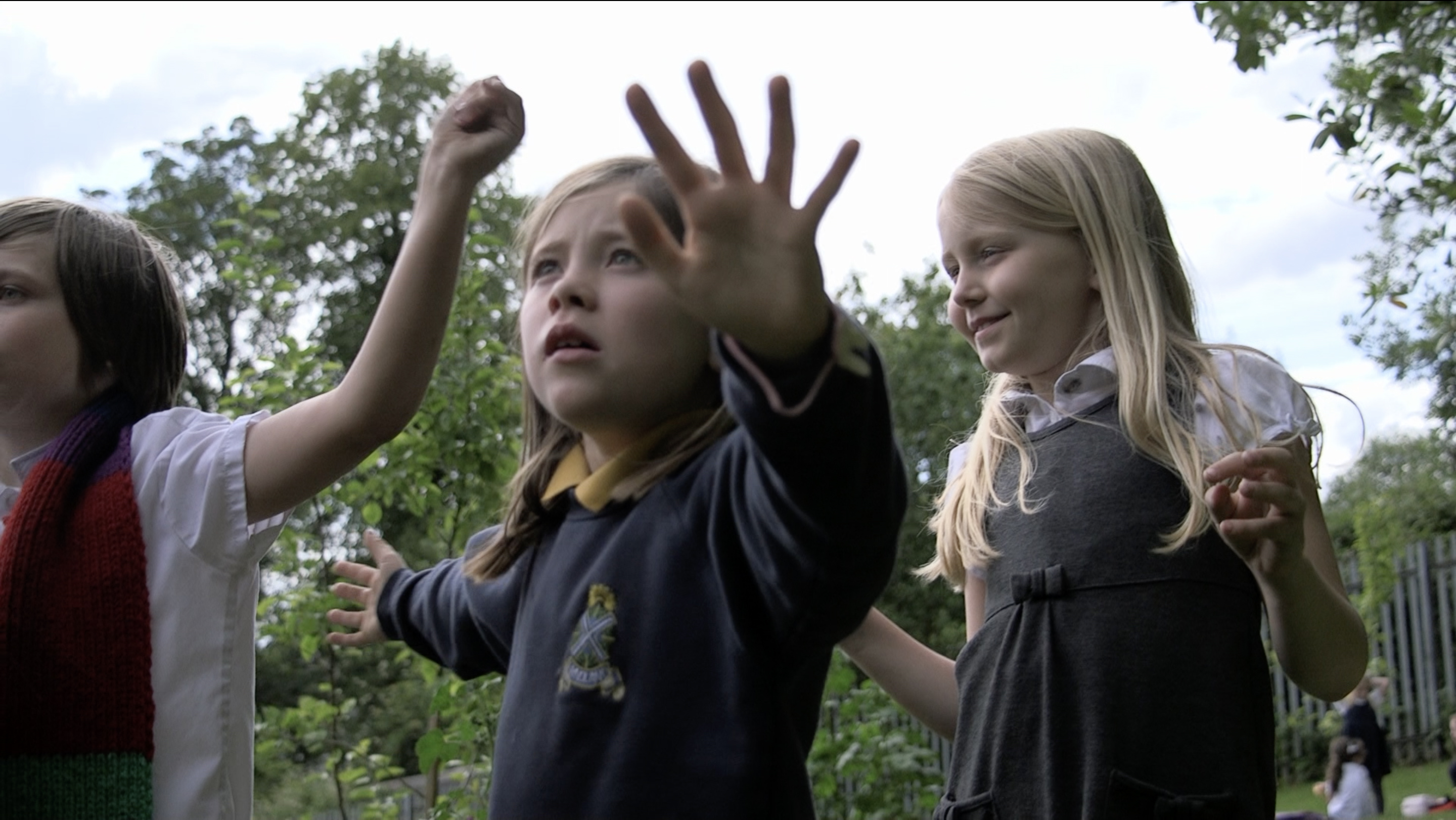
Selected frames from footage shot at Glasgow Theatre and Arts Collective, Govan, Glasgow, 31 October 2021 during an Improvisational vocal workshop led by Nichola Scrutton, organised in support of research towards the making of rough cut botanical (2022).
In a room that looks like an inverted ship’s hull, while COP 26 was whirling around our heads. Improvisational vocal workshop led by Nichola Scrutton and for me acting as DP on images of its listening, waiting, the gradual emergence of something, collaborative energies, voices occupying spaces, voices as volumes, and this shared dynamic female space; a technical act too of capturing the performed/moments and my twin eye notion when filming, of two eyes behind the lens, and the discussions that took place with Wendy on making these images. I think about that role of artist/technician/DP and what that means to my practice moving forward. I am deeply proud of this project and my work within, especially these images. They reminded me of Lovely Young People (2012) by Rosalind Nashashibi, much rawer than the resolutions of her camera on seeing, presence, bodies and looking and private/public. Shared/individual, chain reactions, sound, breath and bodies making images, following eyes following sound, and also something about an economy of image-making and paring back which makes something else incredibly vivid.
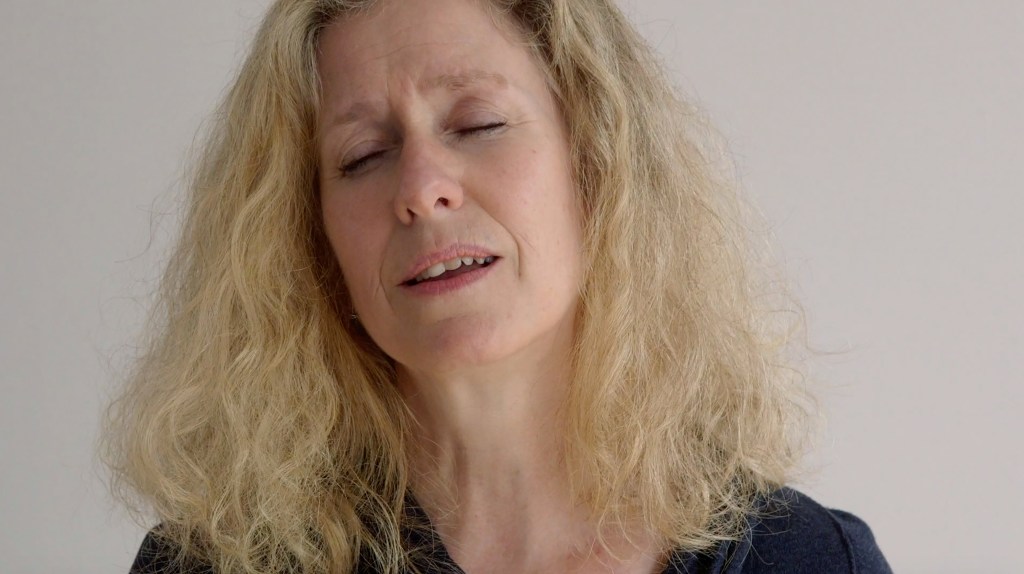
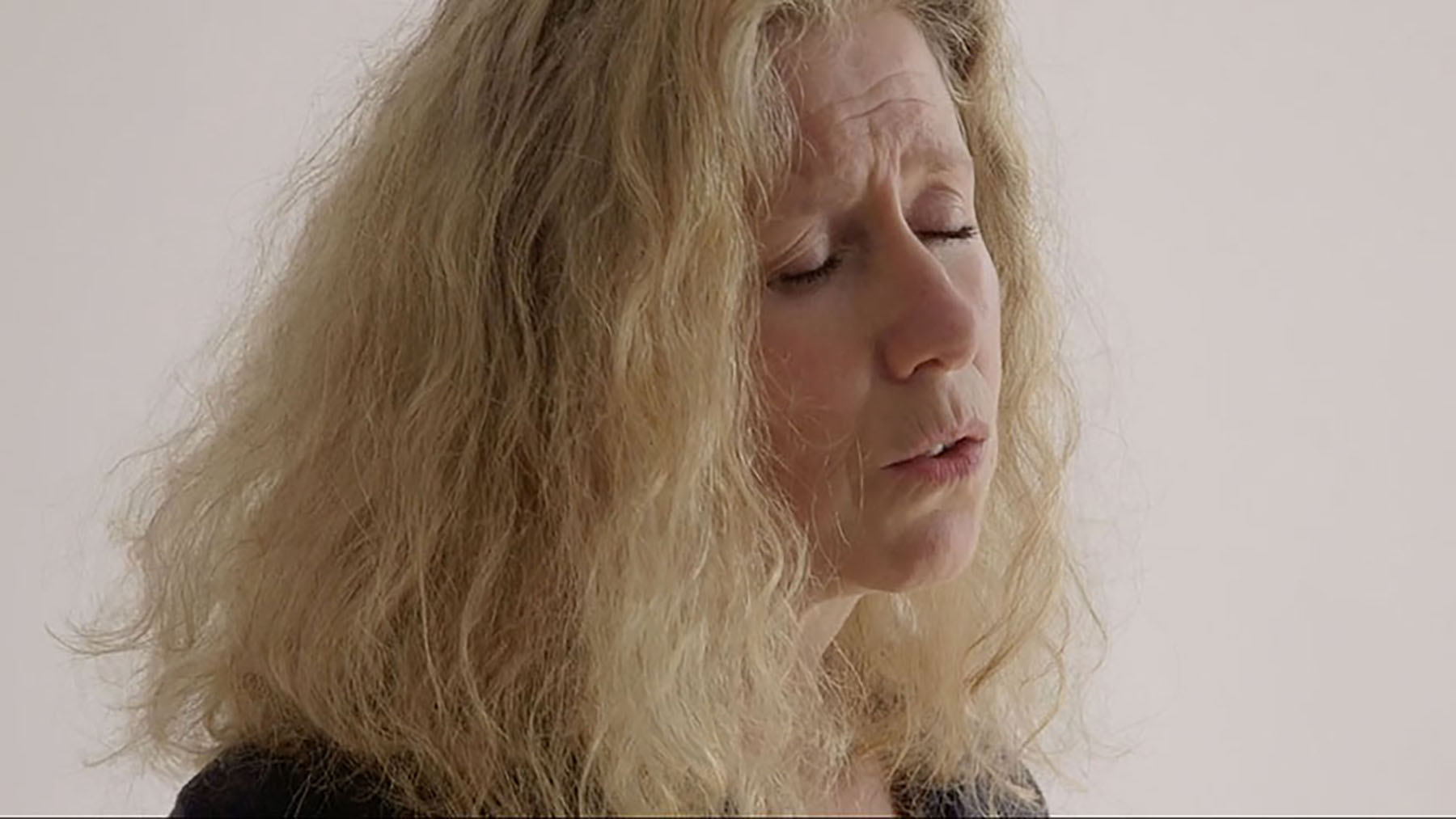
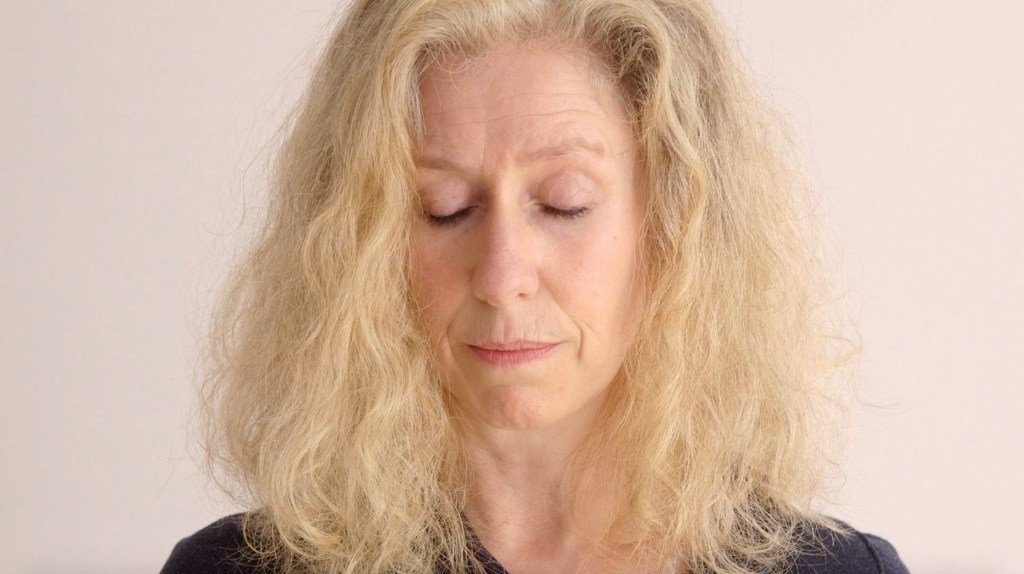
film from a score (2017) is the second in a trilogy of film portraits. Each filmed performance uses both the notational and indeterminate elements of the score as a vehicle through which to explore aspects of film structure and form.
The filmic rhythms of film from a score are determined by the synchronicities and slippages between each ‘take’ of Nichola Scrutton’s performance during the film shoot, revealing the subjectivity she brings to her performance.
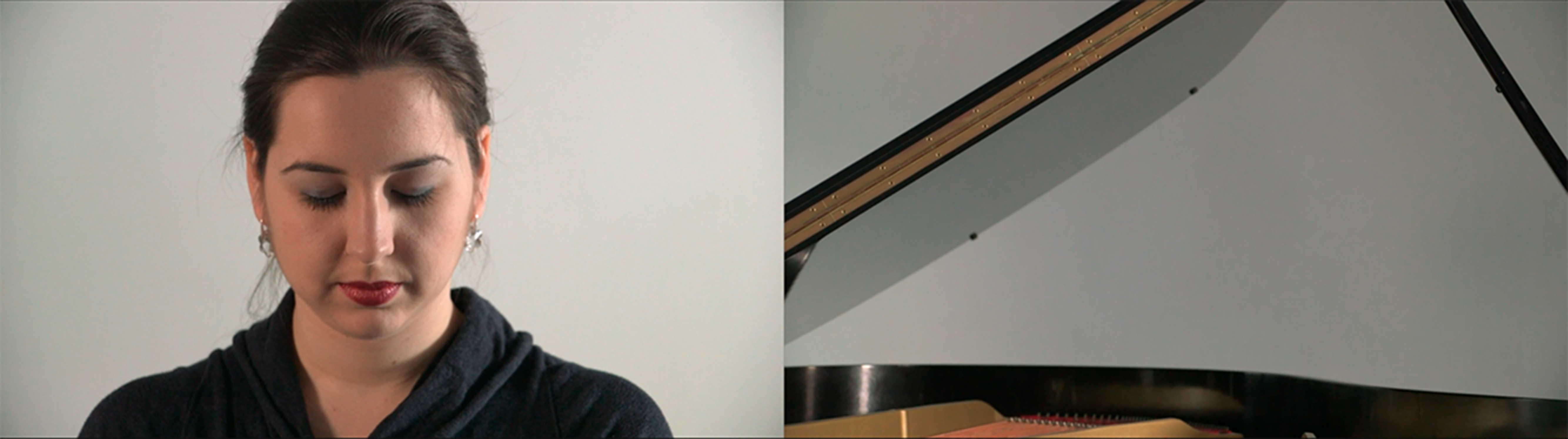
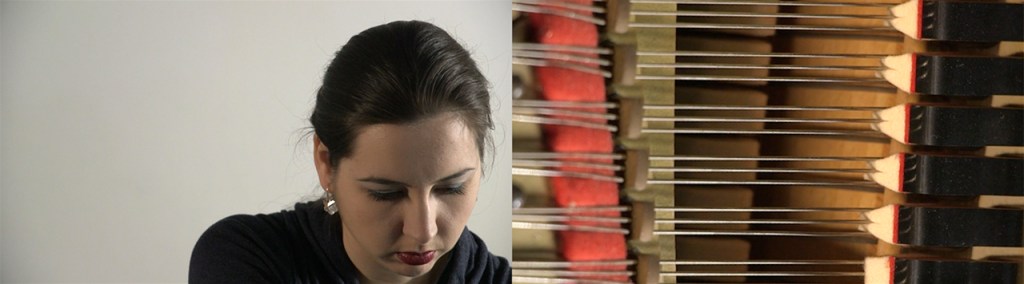
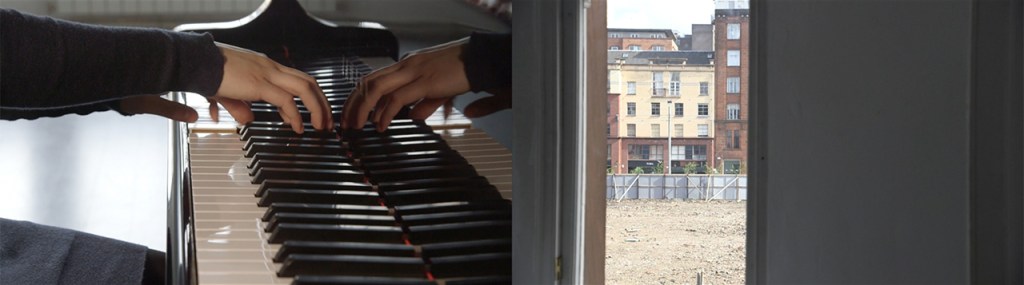
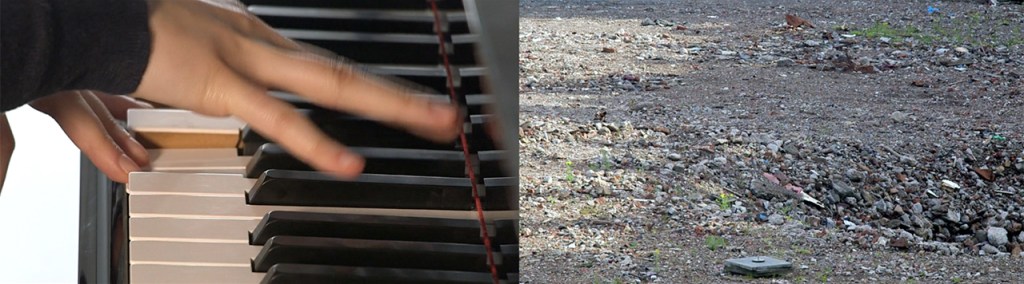
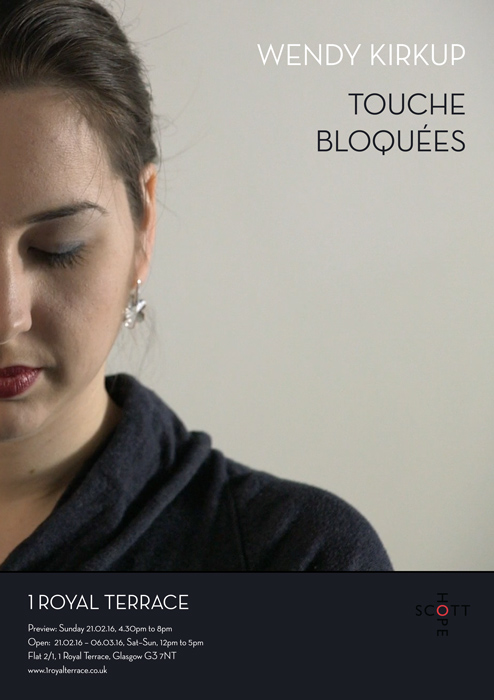
Touches Bloquées(2016) is the first in a trilogy of film portraits. Each filmed performance uses both the notational and indeterminate elements of the score as a vehicle through which to explore aspects of film structure and form.
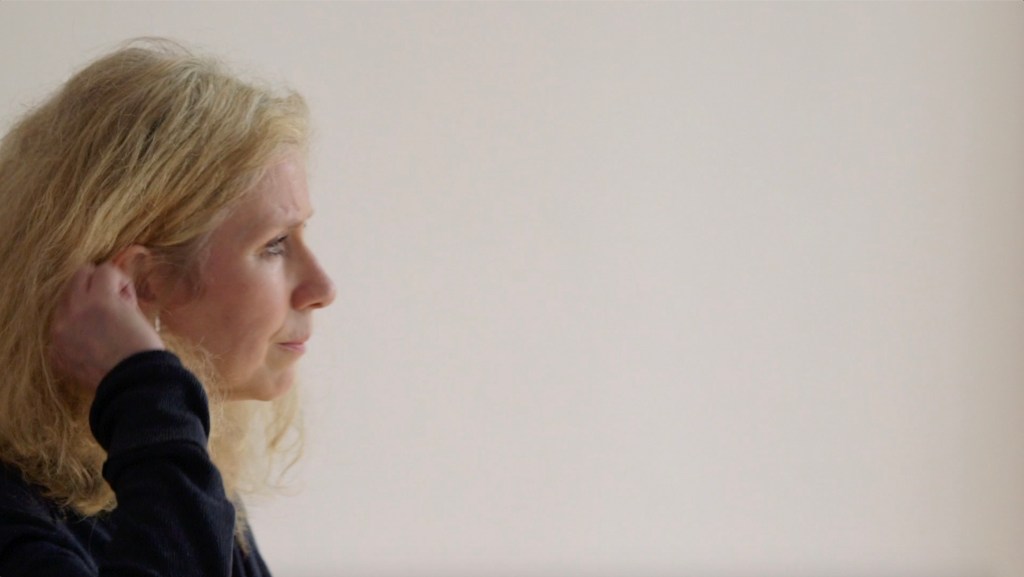
Silviya Mihaylova performs György Ligeti’s score Touches Bloquées, foregrounding the making of music as a loop between body and score played out through her physical gestures.
2017 Filming Ruins, Film works by Manon de Boer, Wendy Kirkup, Bill Morrison, Andrew Steward Cinema, Gilmorehill Halls, University of Glasgow. Programmed by Carl Lavery and Dominic Paterson.
2016 Touches Bloquées, 1RoyalTerrace. Curated by Ruth Switalski and Petter Yxell.
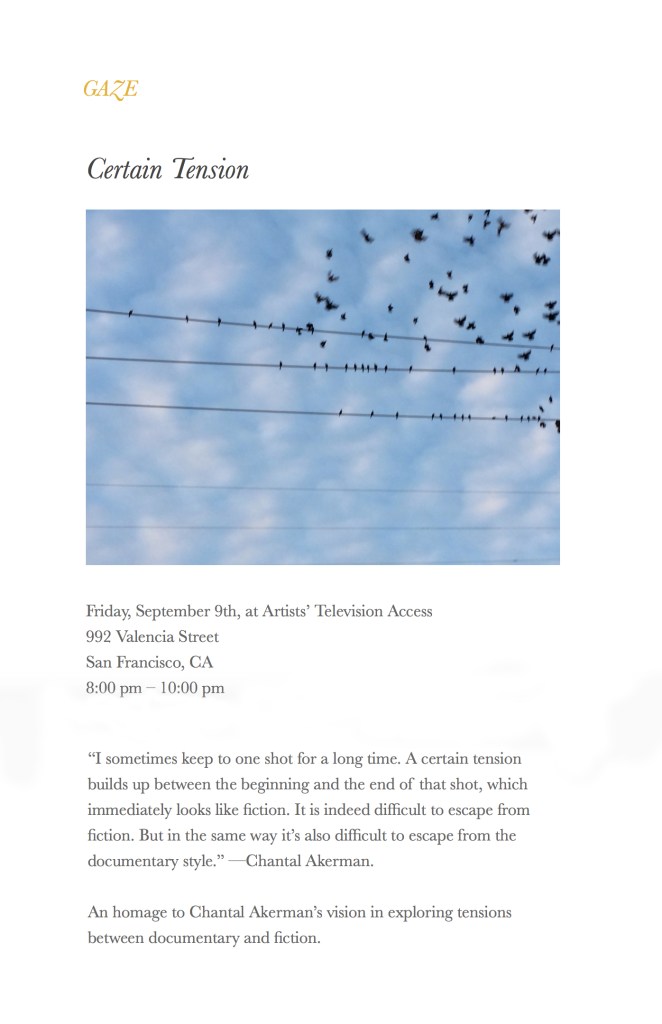
2016 Certain Tension, Artist Television Access, San Francisco. Selected by the Gaze Collective curatorial team, ATA Programming, Mallary Abel Heaton, Adrianne Finelli, Targol Mesbah, Tessa Siddle, Meredith Sward. With films by Lynne Sachs, Ralitsa Doncheva, Luba Drozd, Markus Kiem & Beate Hecher, Fiamma Montezemolo.
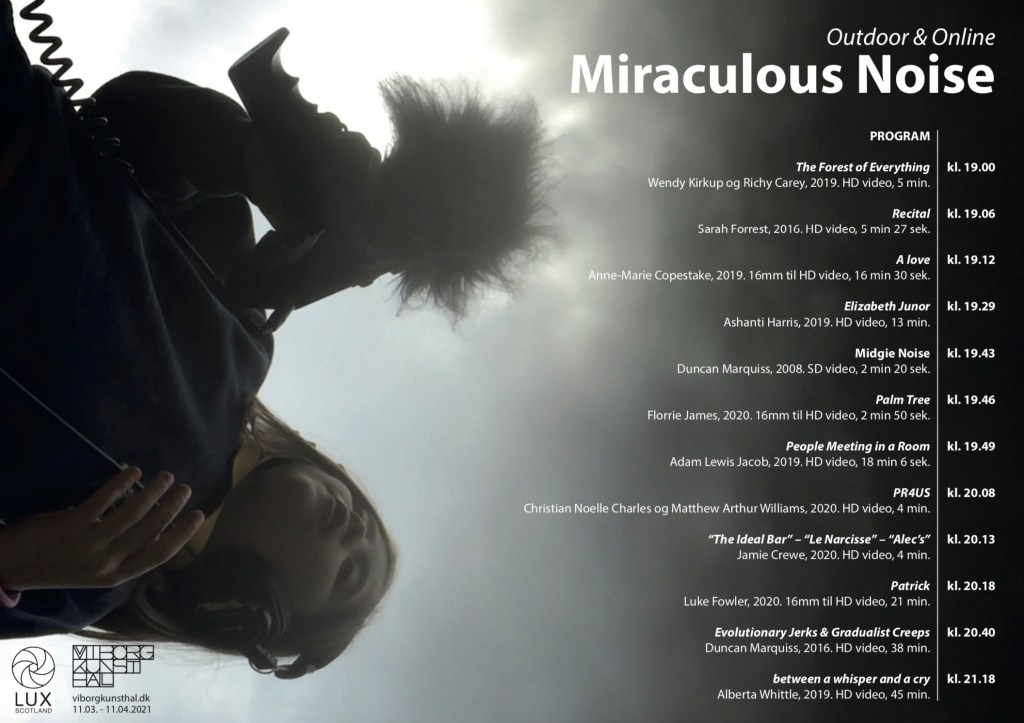
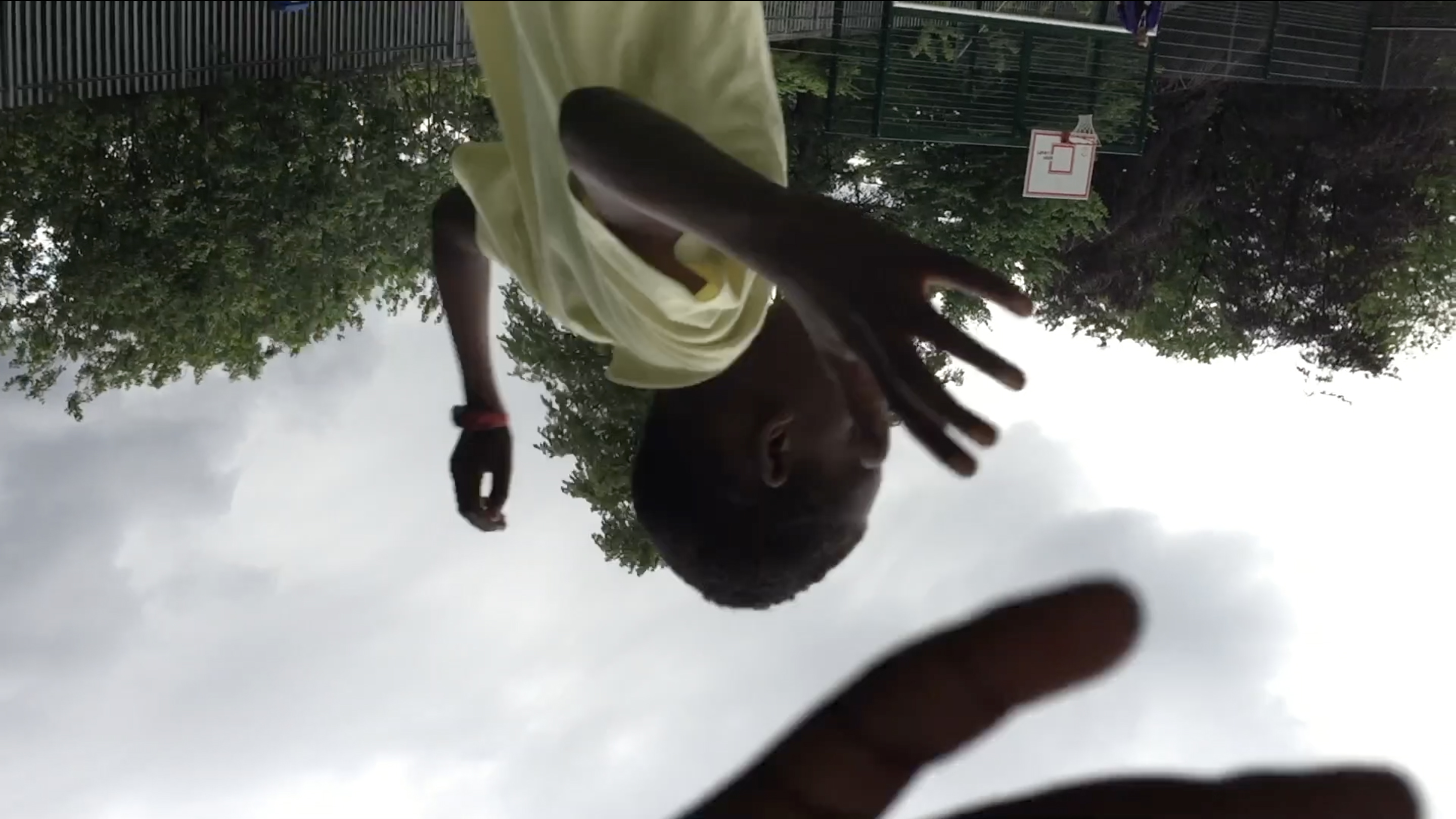
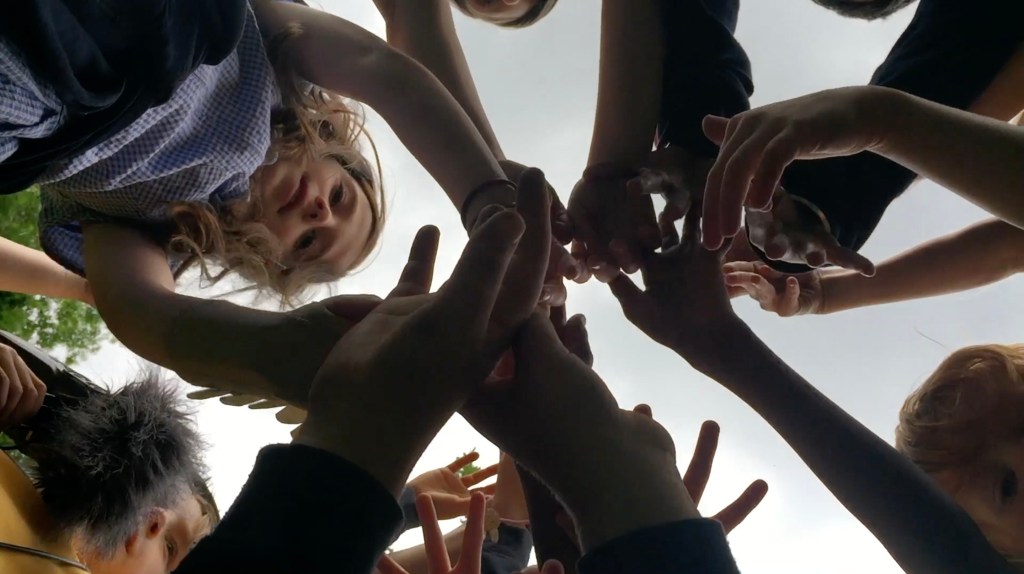
The Forest of Everything(2019) in collaboration with with Richy Carey.
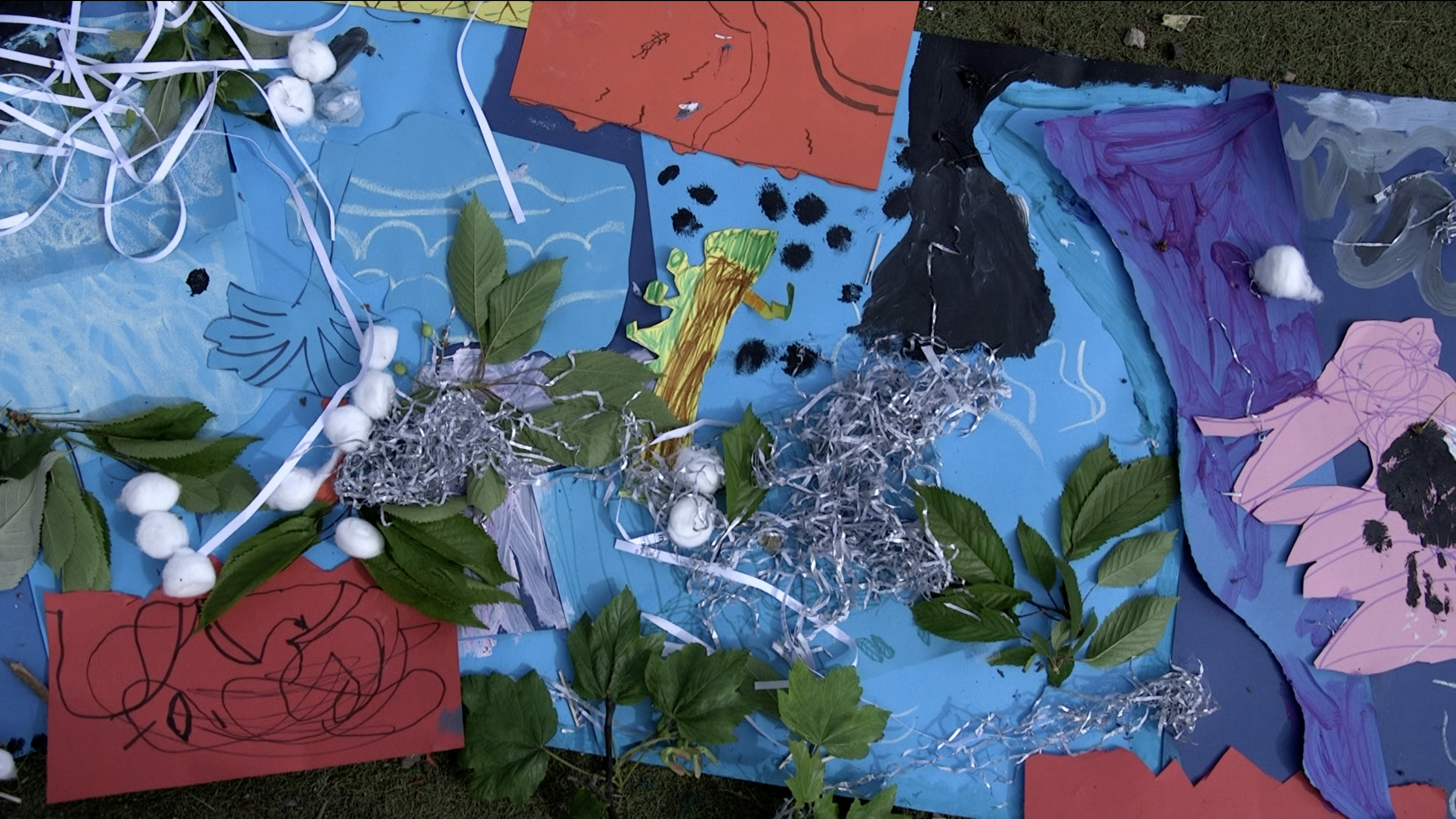
The Forest of Everything is about collaborating, a playing with and knowing with. Influenced by Margaret Tait’s Aerial (1974), Wendy, Richy and the children played, played, and played again with the materials around them; light, water, air, earth and trees. Knowing and knowing anew how we meet and compose these materialities through moving, making, looking and listening.
The images and soundtrack are made from the children’s own recordings of their surroundings, a song they wrote, and fragments of their play.
Credits:
Performers: The children from Hyndland School Afty Sound: The children from Hyndland School Afty, Richy Carey Camera: The children from Hyndland School Afty, Wendy Kirkup, Jim Burns
The Forest of Everything was commissioned for ‘there and then and never again‘, Margaret Tait 100 and is included in the LUX Touring programme there and then and never again.
Two Études (2019) is the third in a trilogy of film portraits. Each filmed performance uses both the notational and indeterminate elements of the score as a vehicle through which to explore aspects of film structure and form.
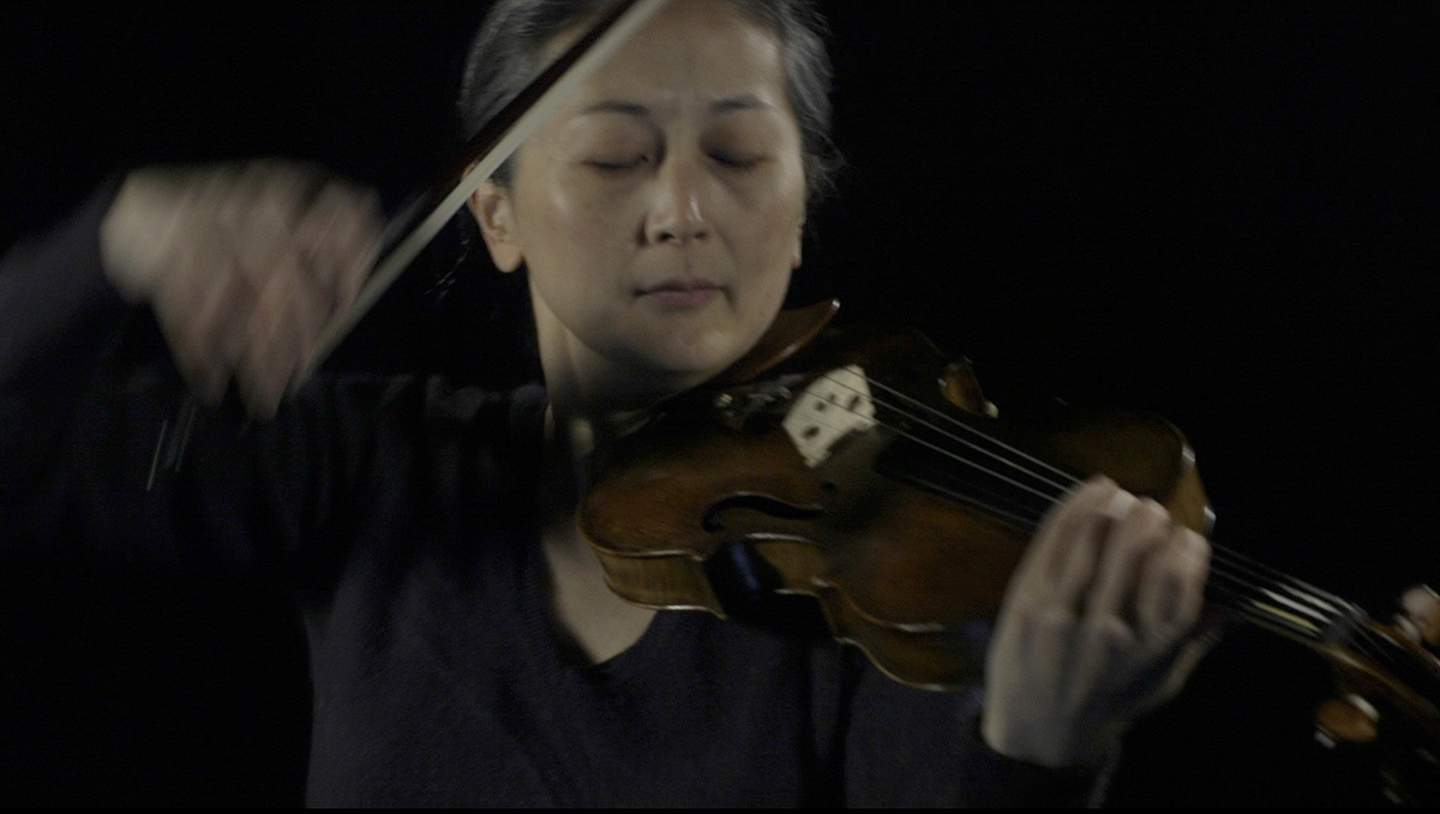
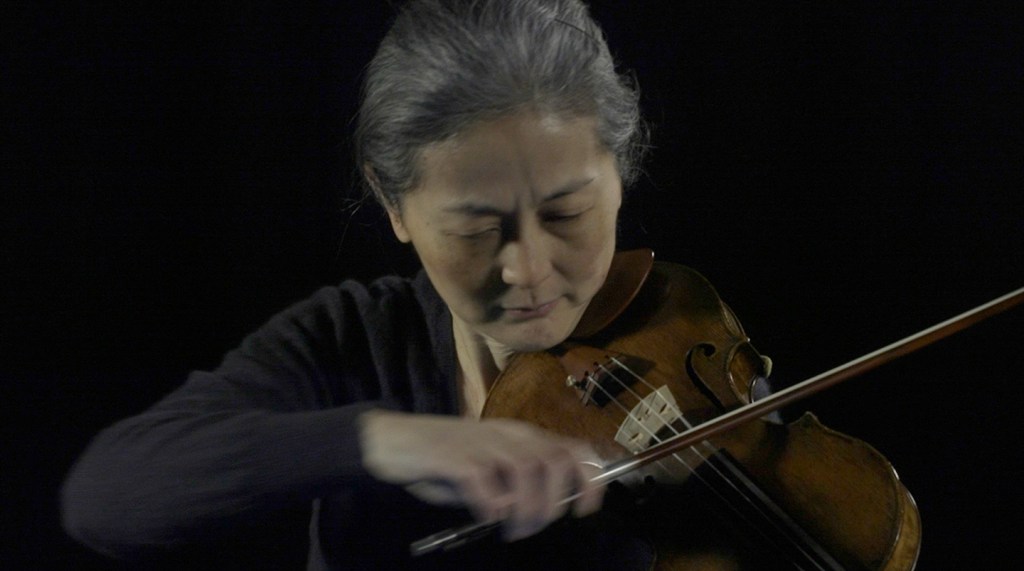
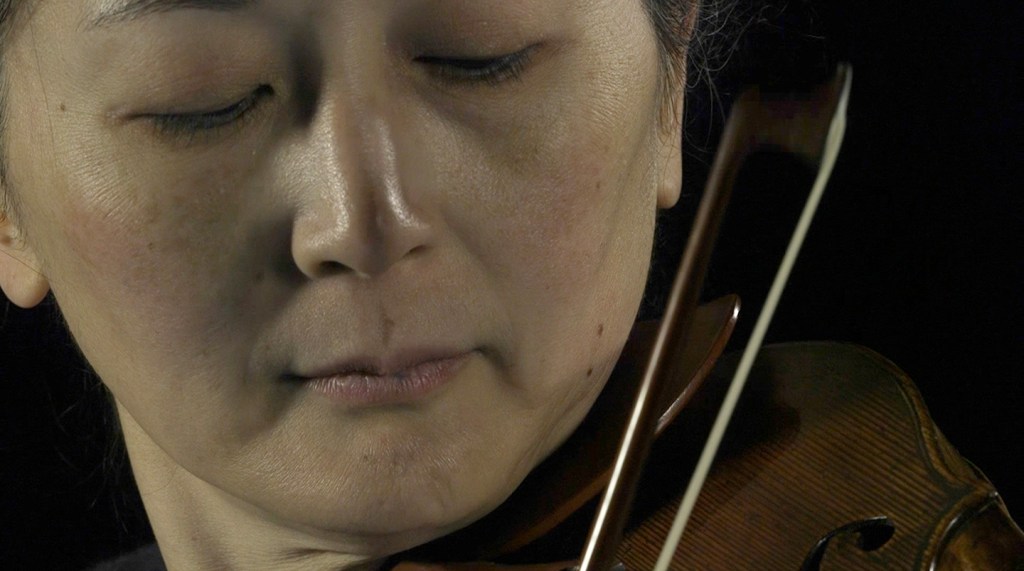
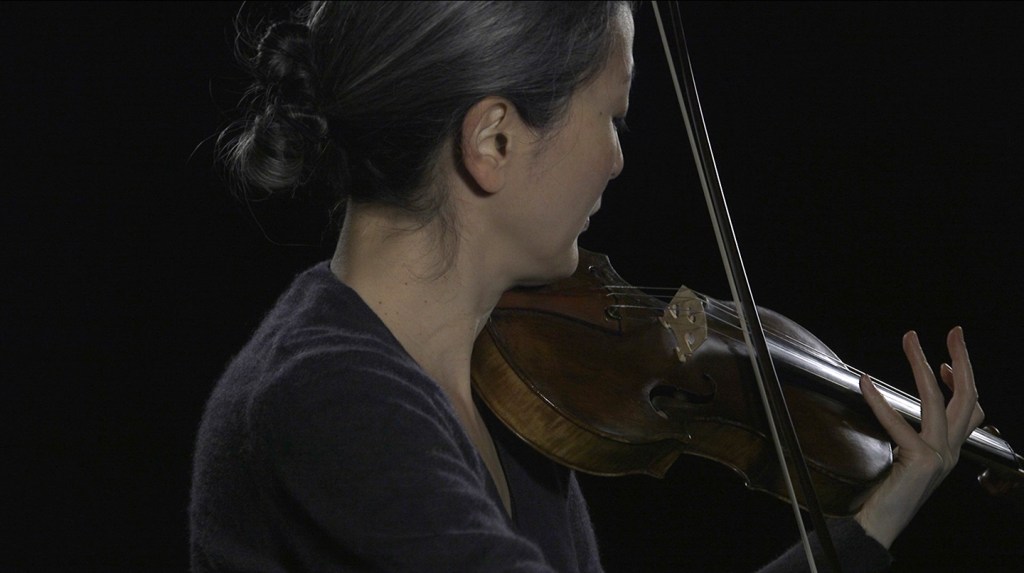
Two Étudesis a film in two corresponding halves. In the first, Mieko Kanno performs Étude no. 32 from John Cage’s larger score Freeman Études (1997- 1980/1989-1990) while the second attempts to find equivalences through 16mm film and sound.
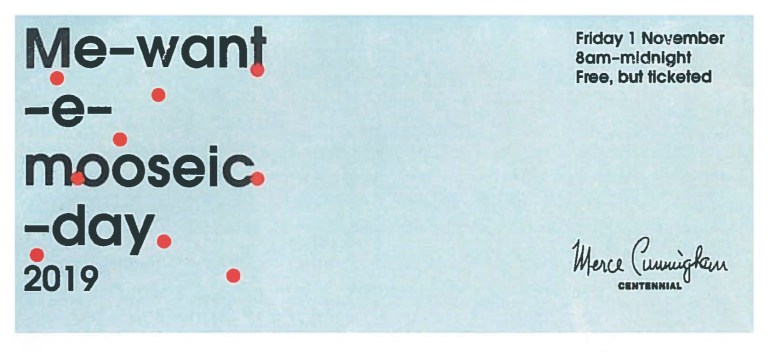
2019 Mewantemooseicday, a day-long celebration of John Cage and Merce Cunningham developed in collaboration with the University of Glasgow, The Glasgow School of Art, and Dance Studio Scotland at Clyde College. Producer Victoria Miguel
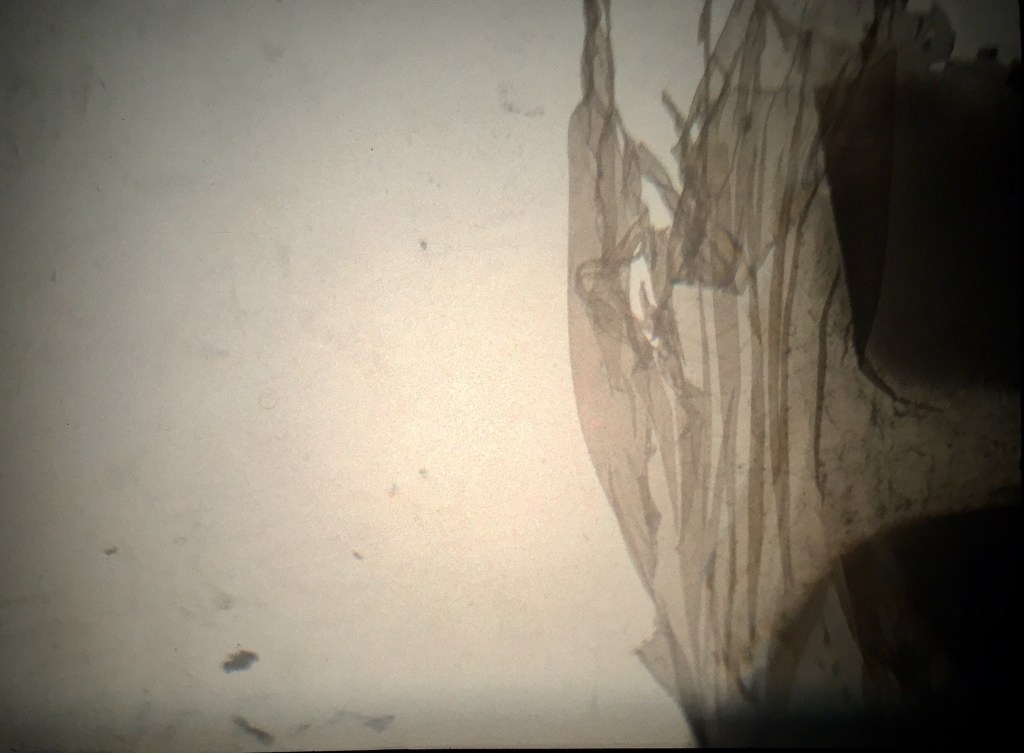
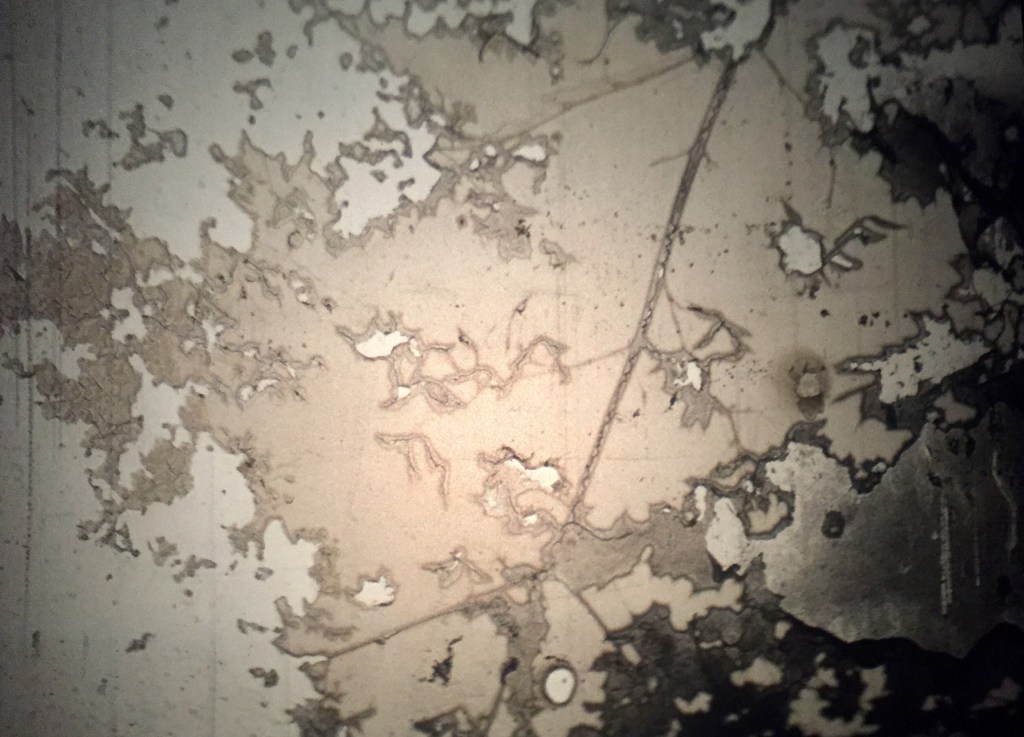
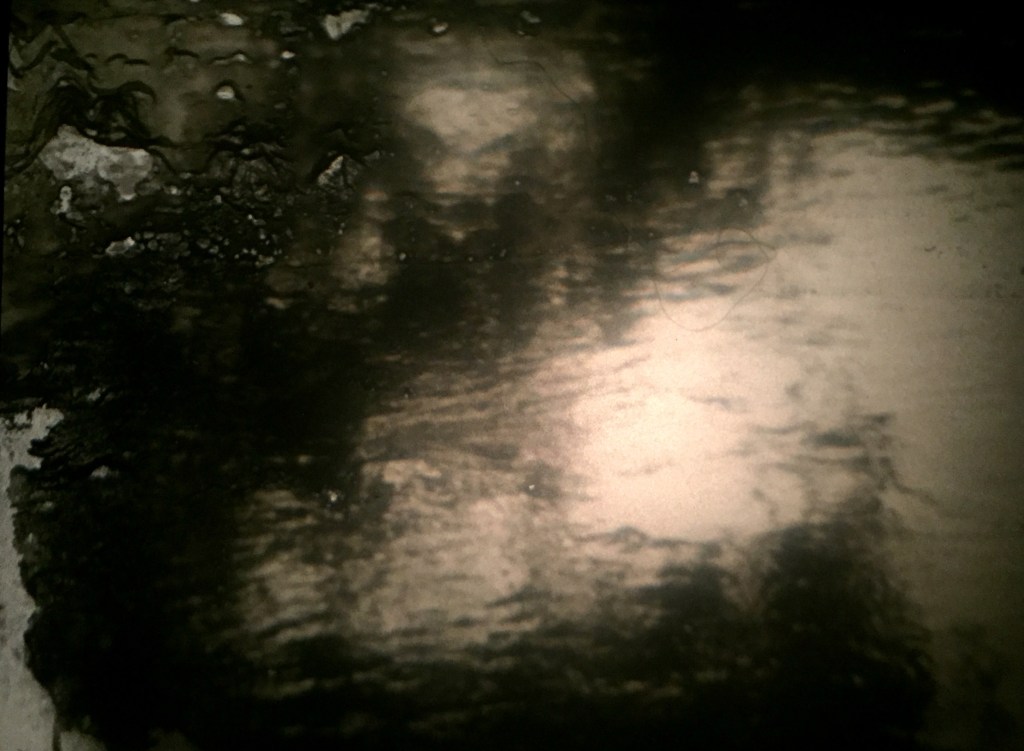
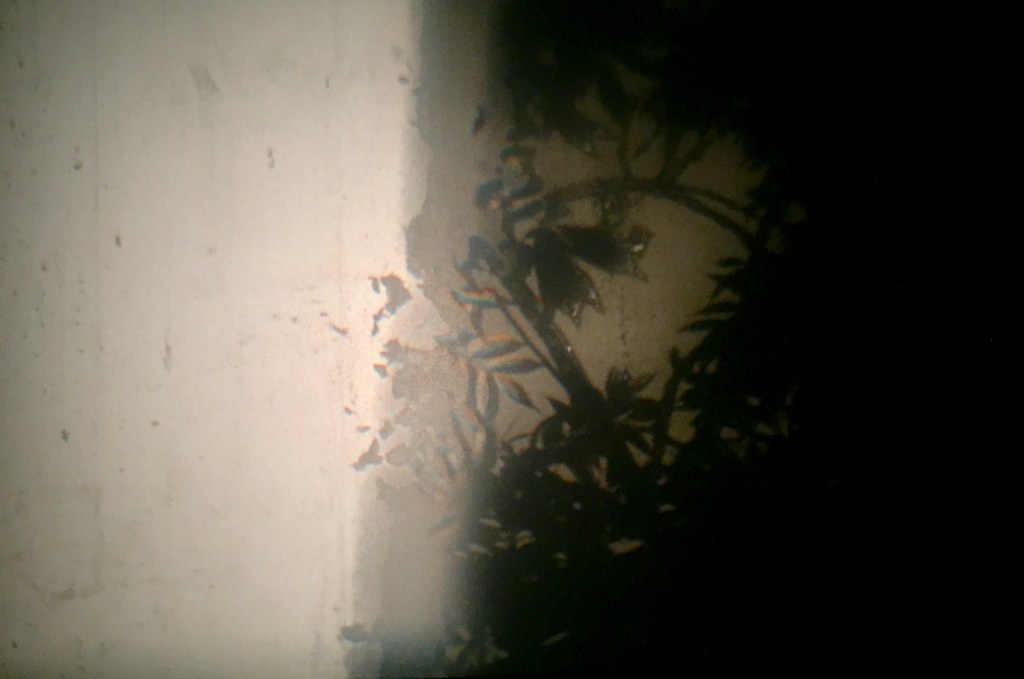
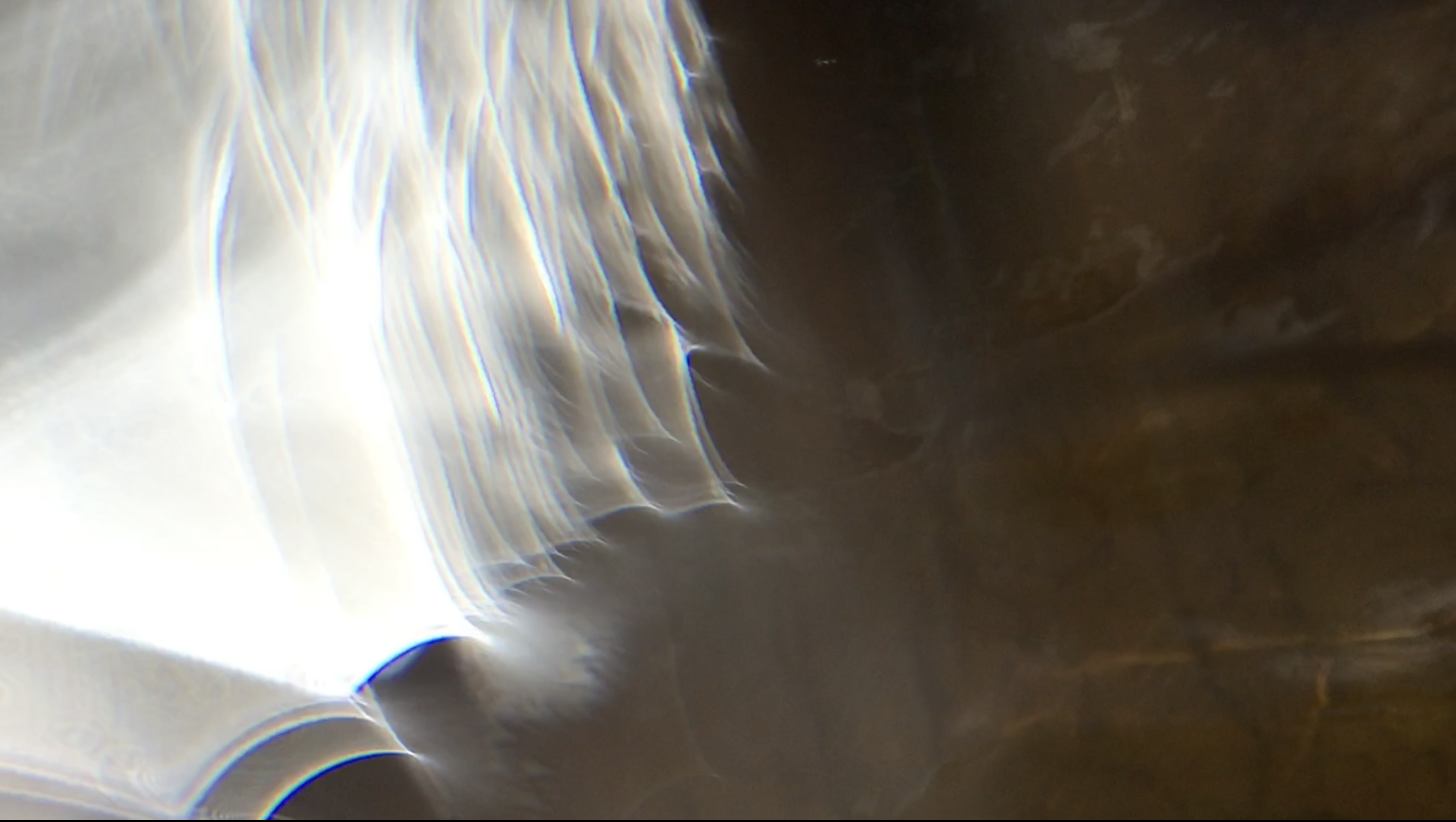
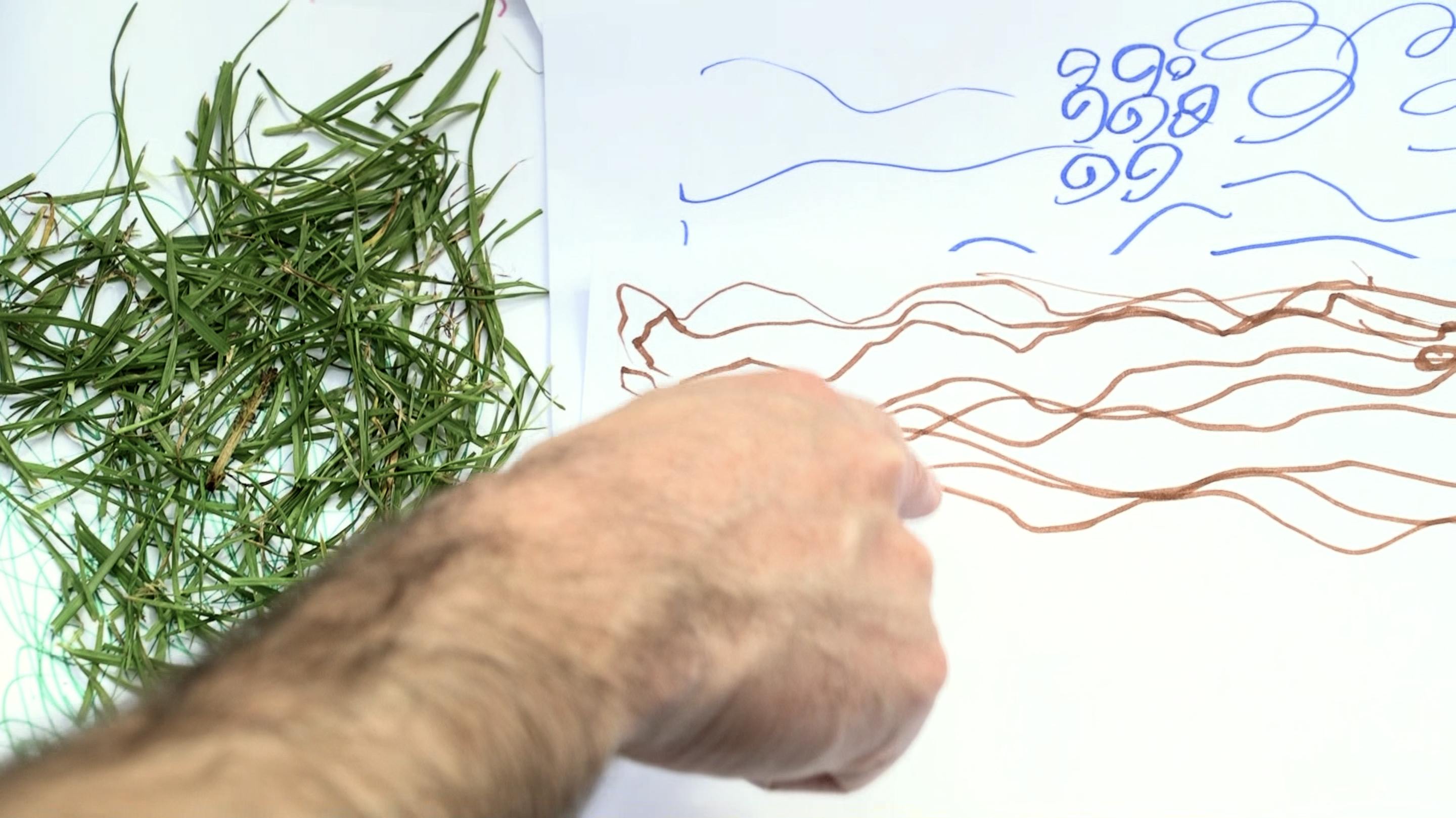
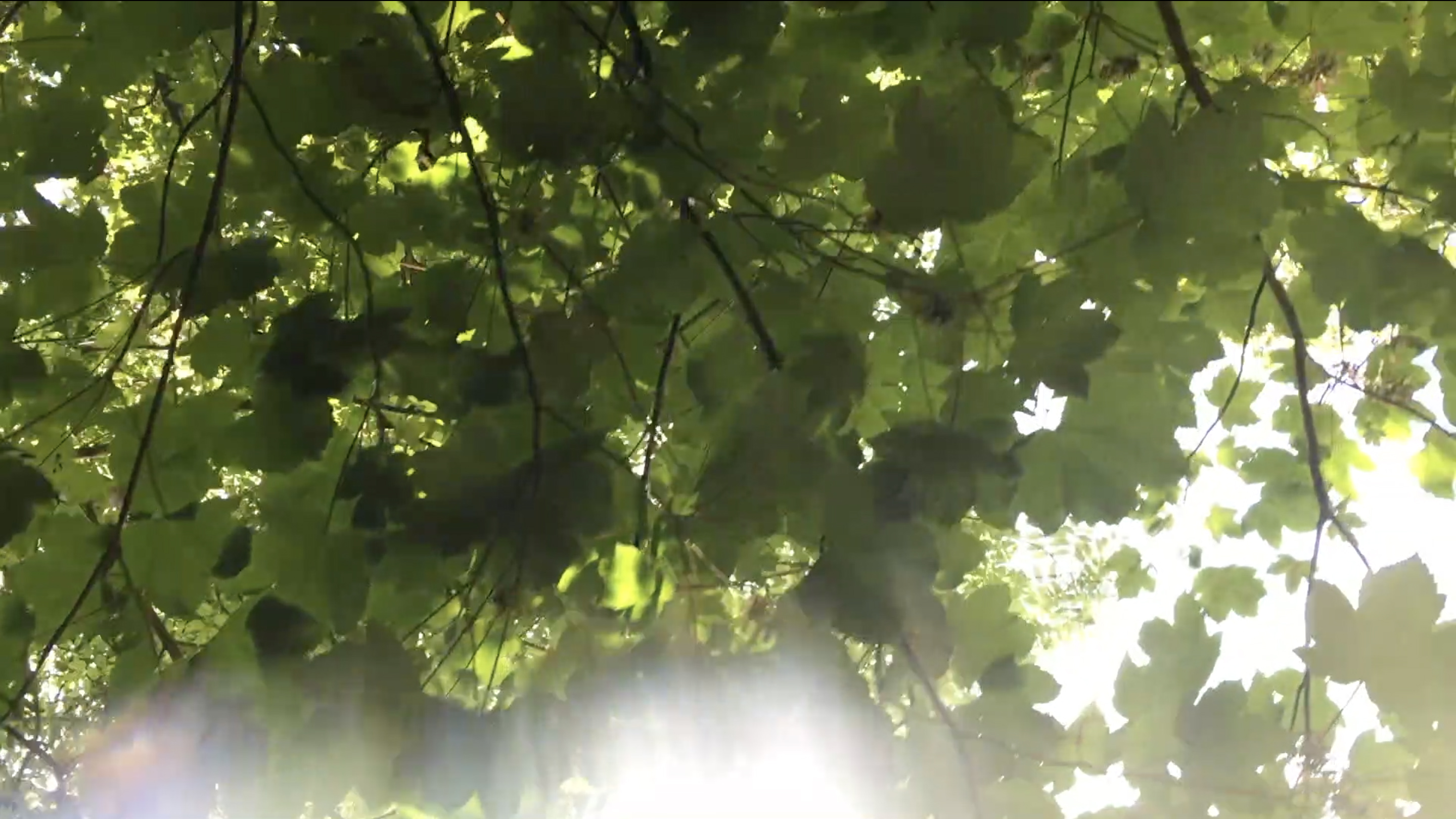
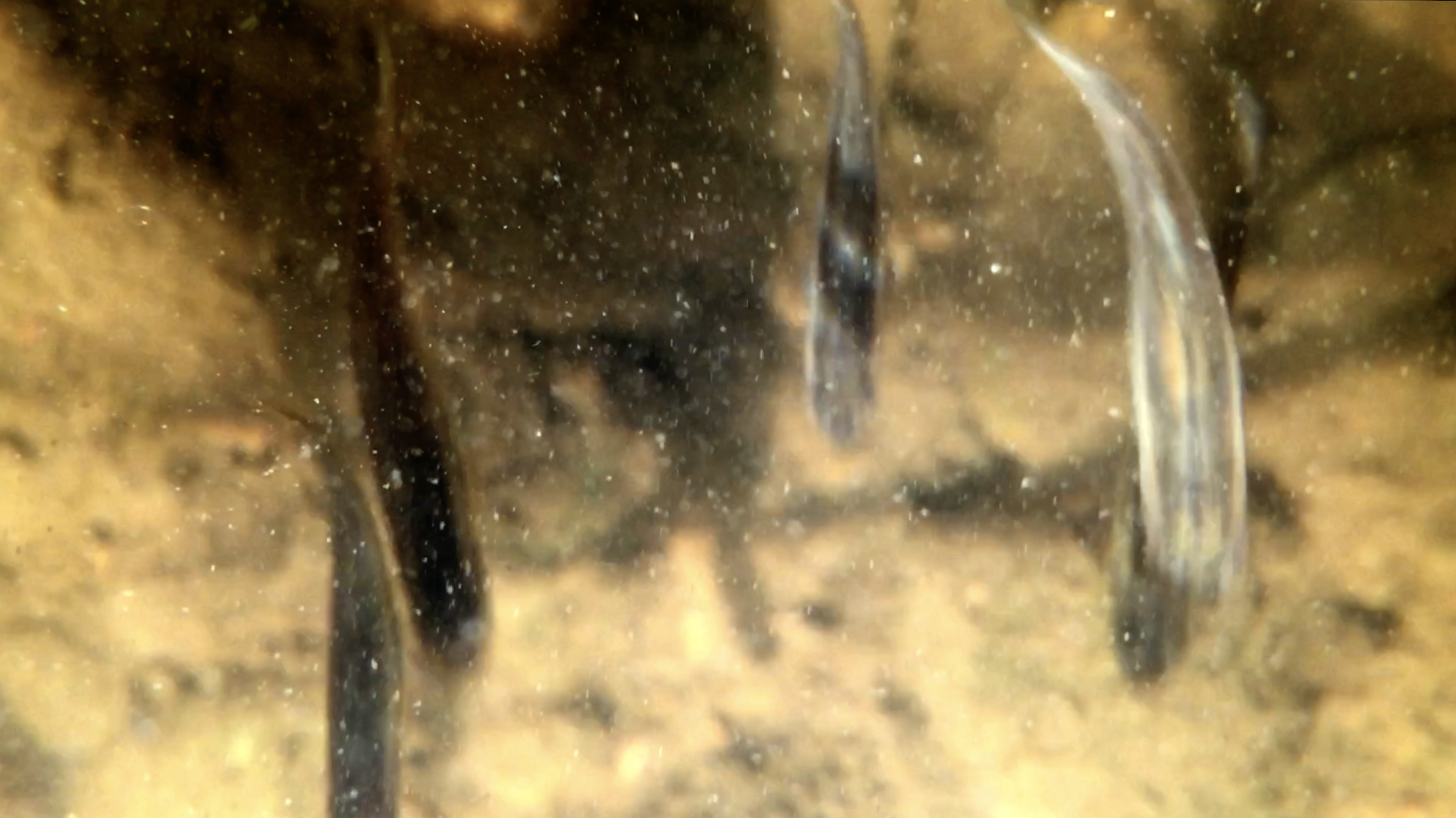
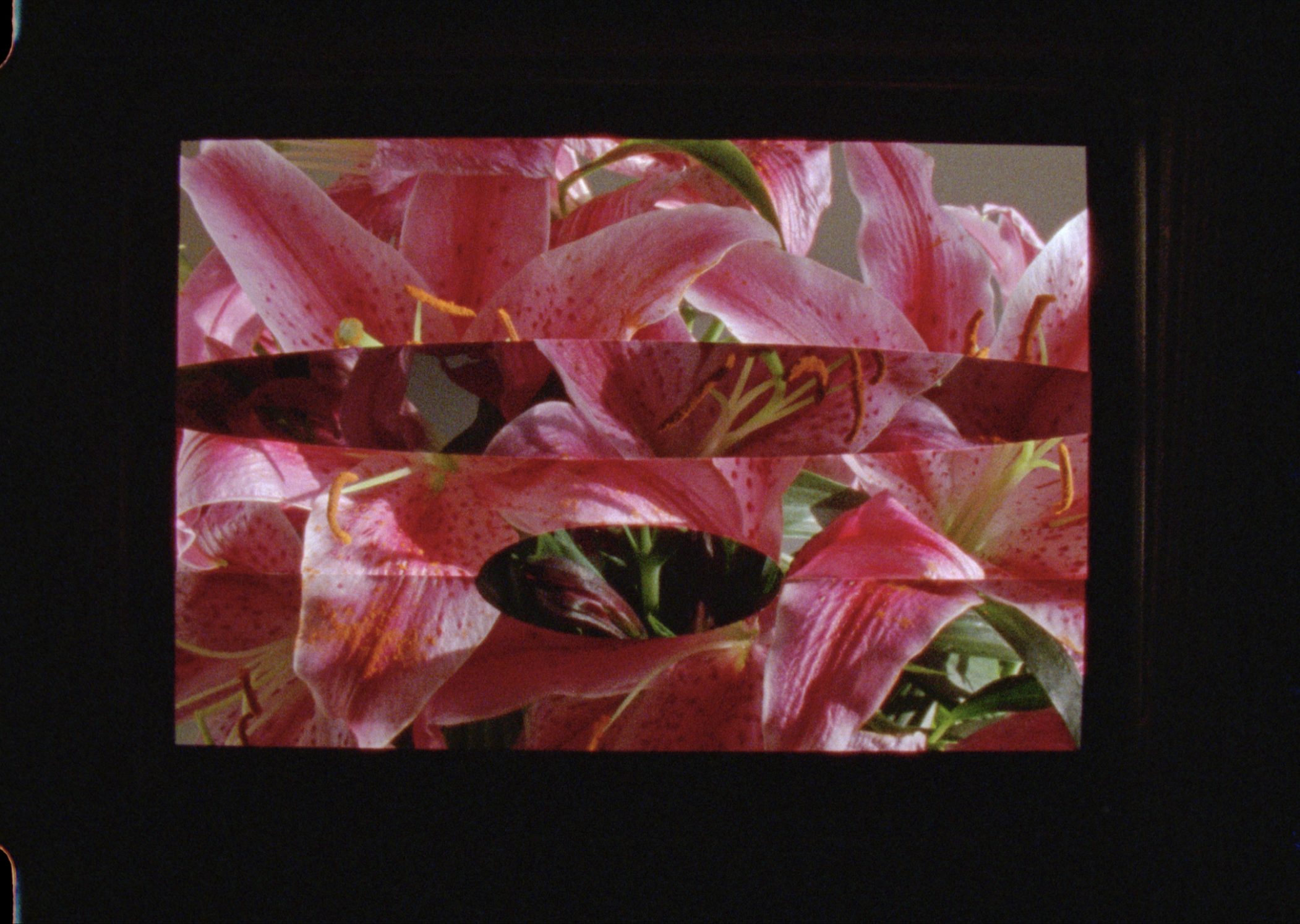
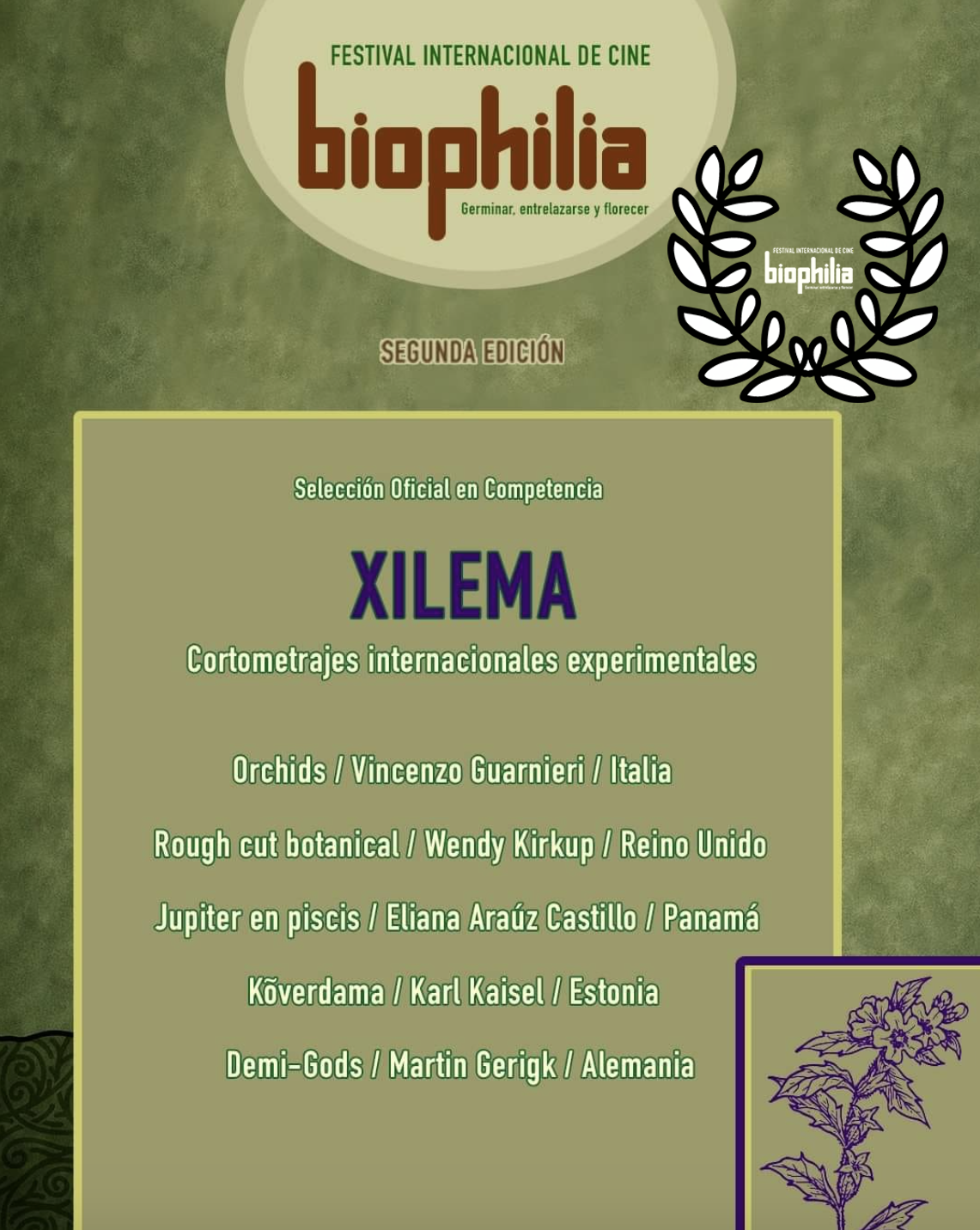
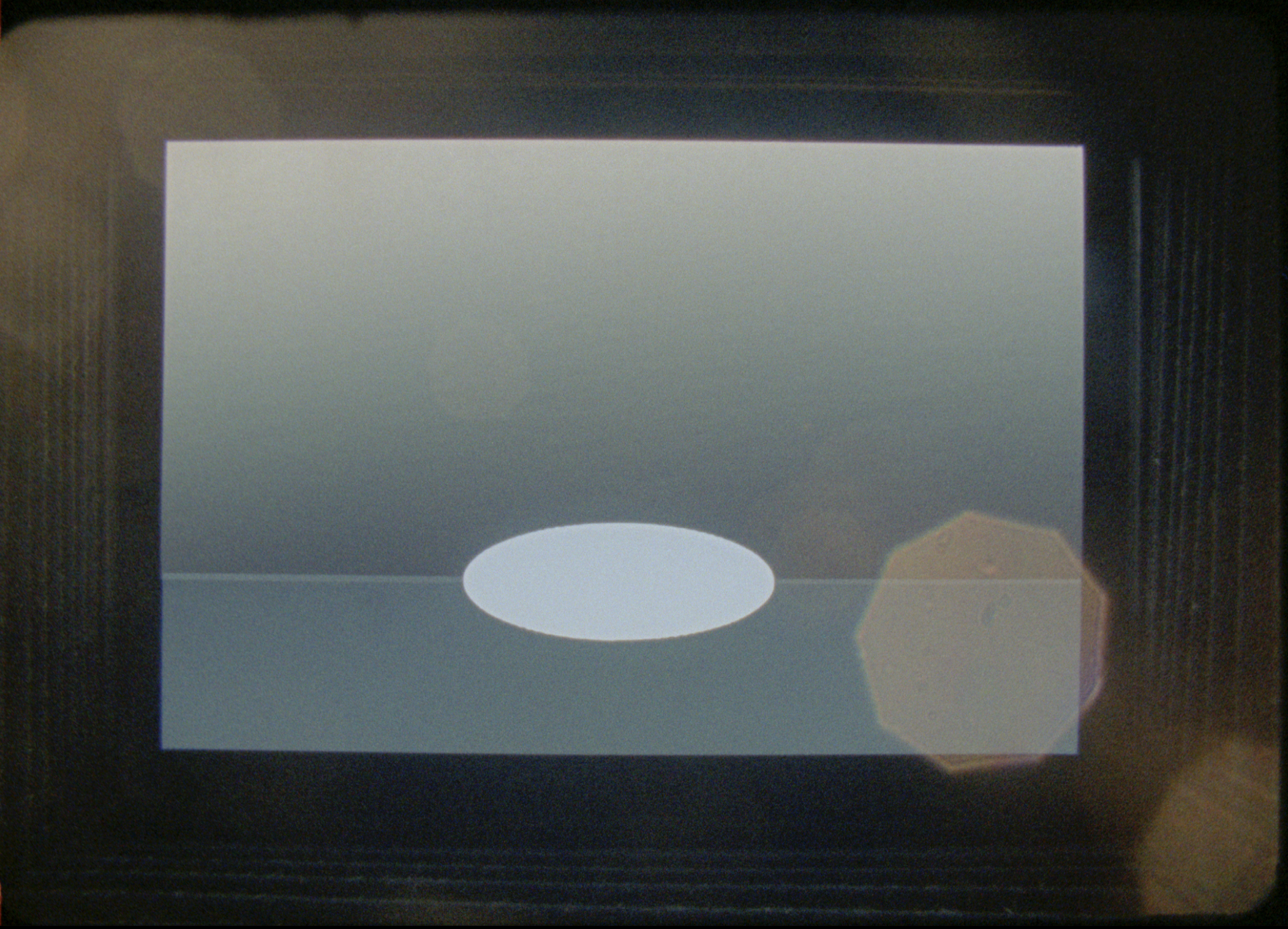
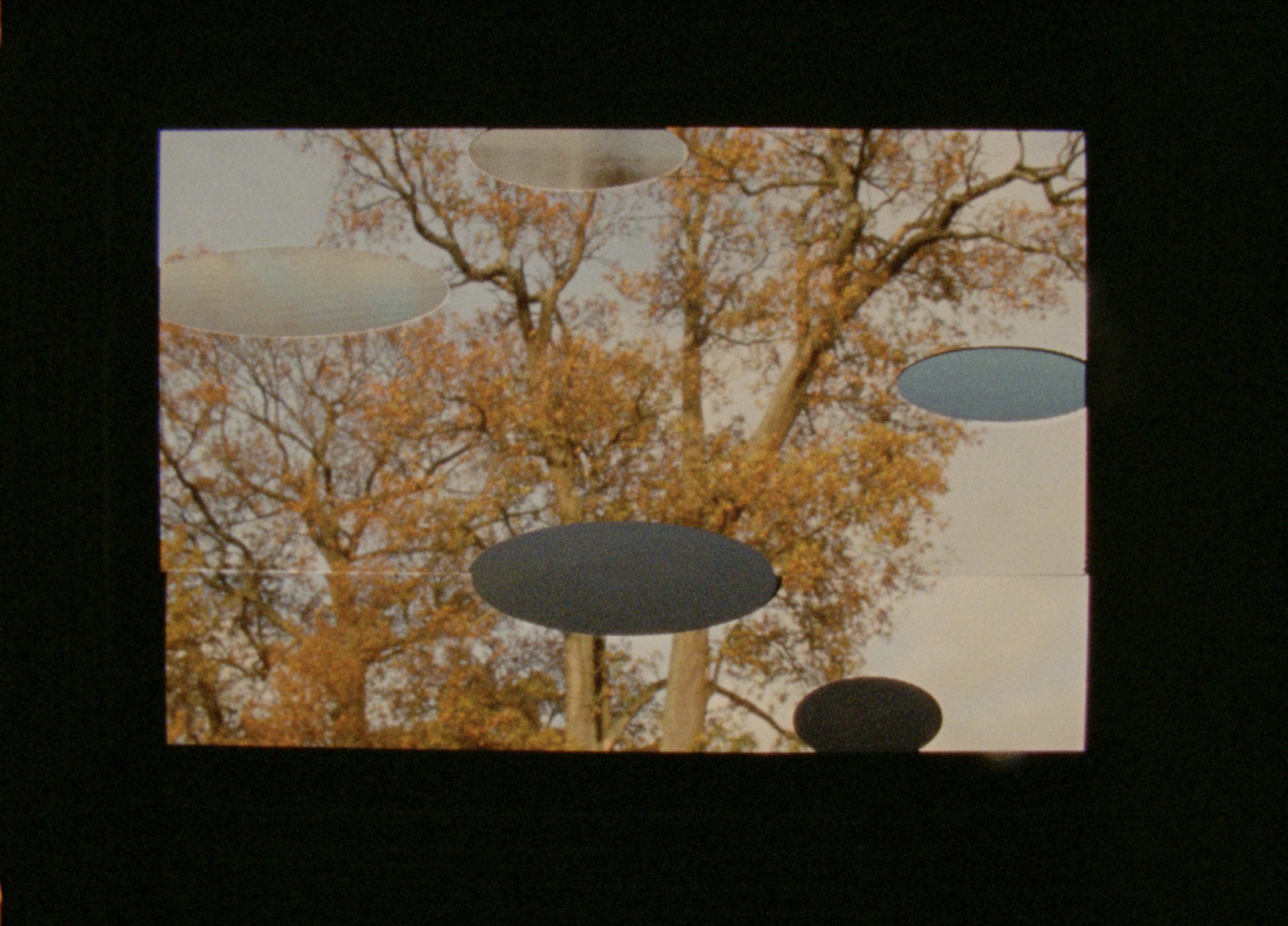
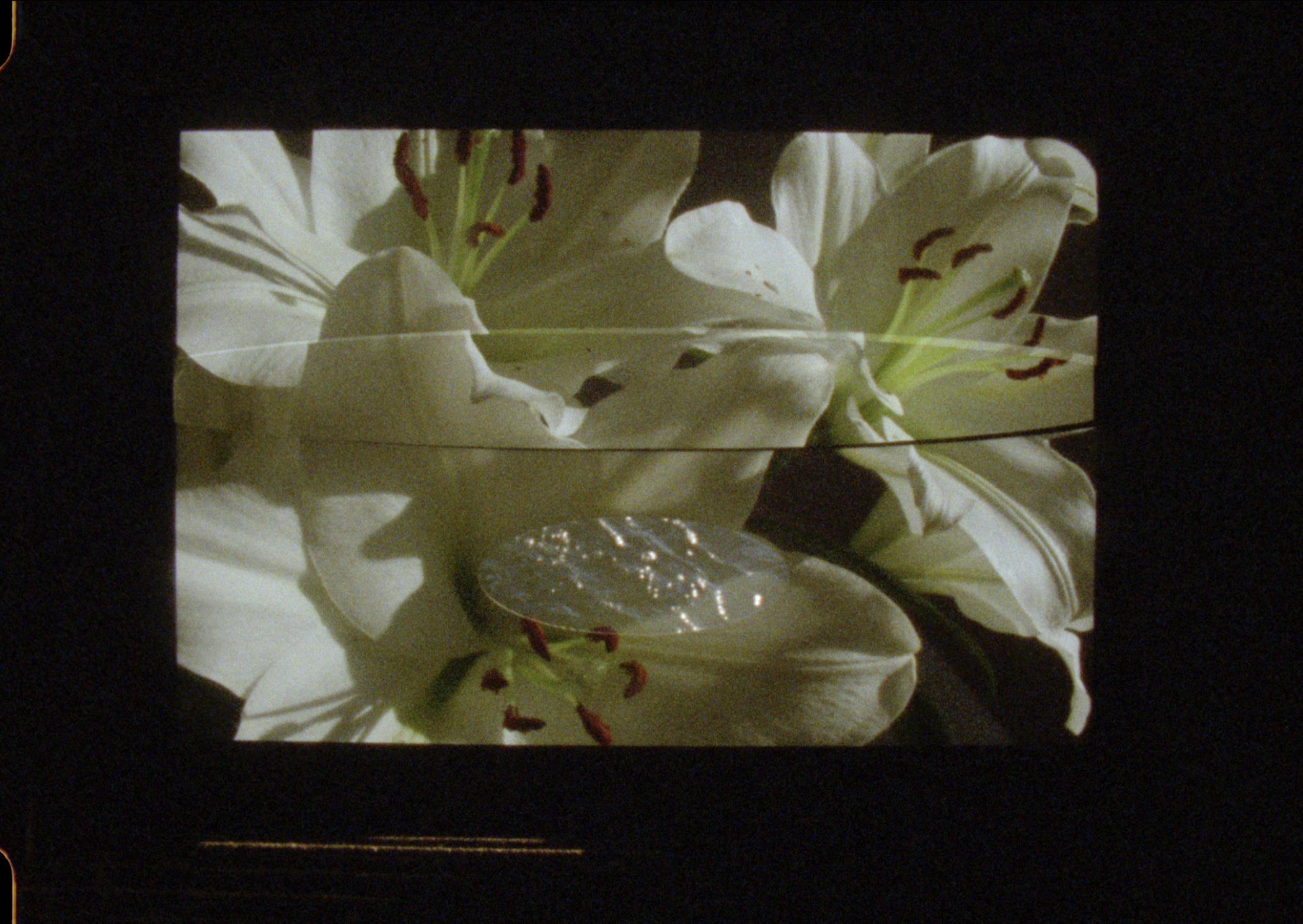
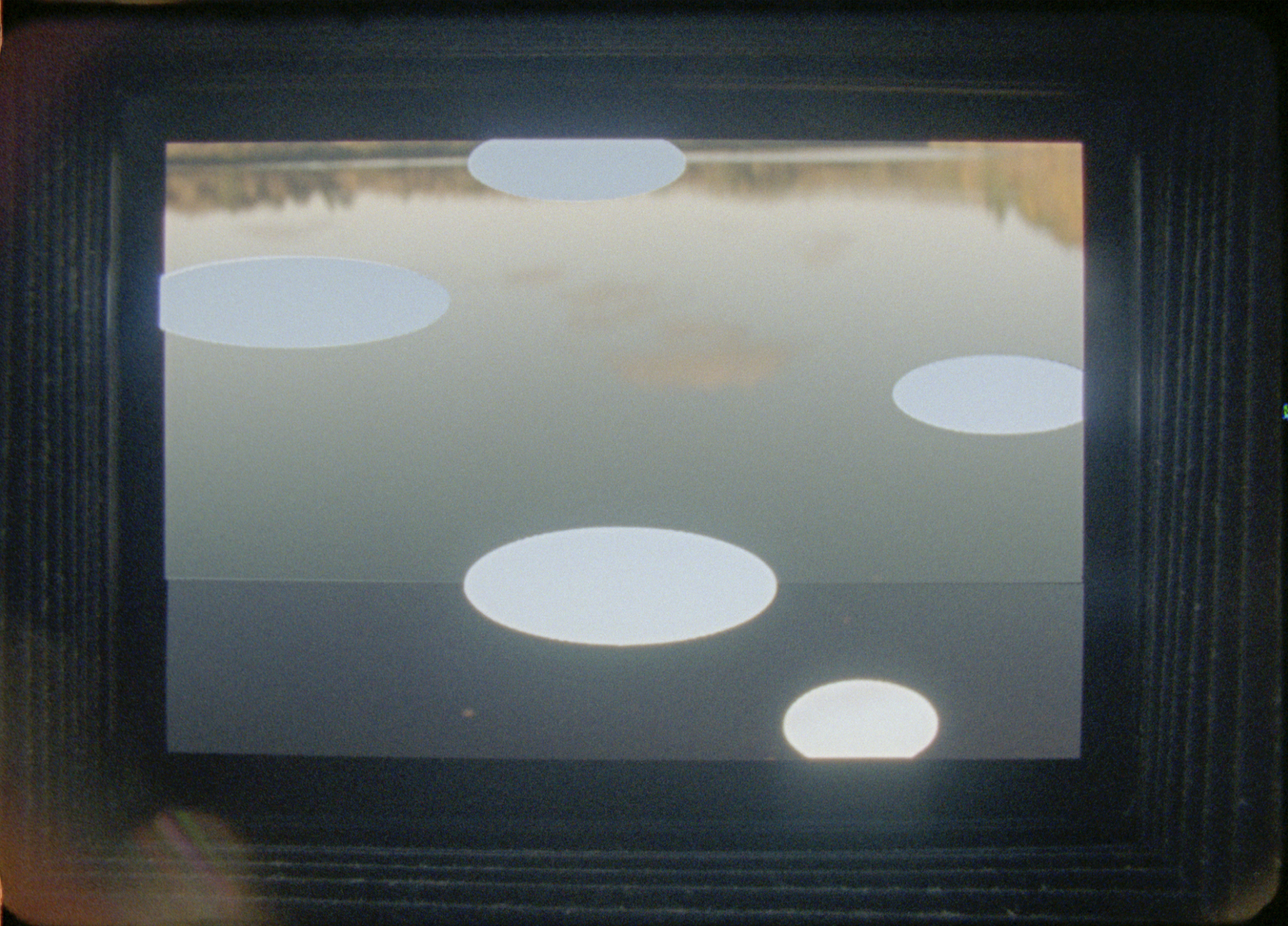
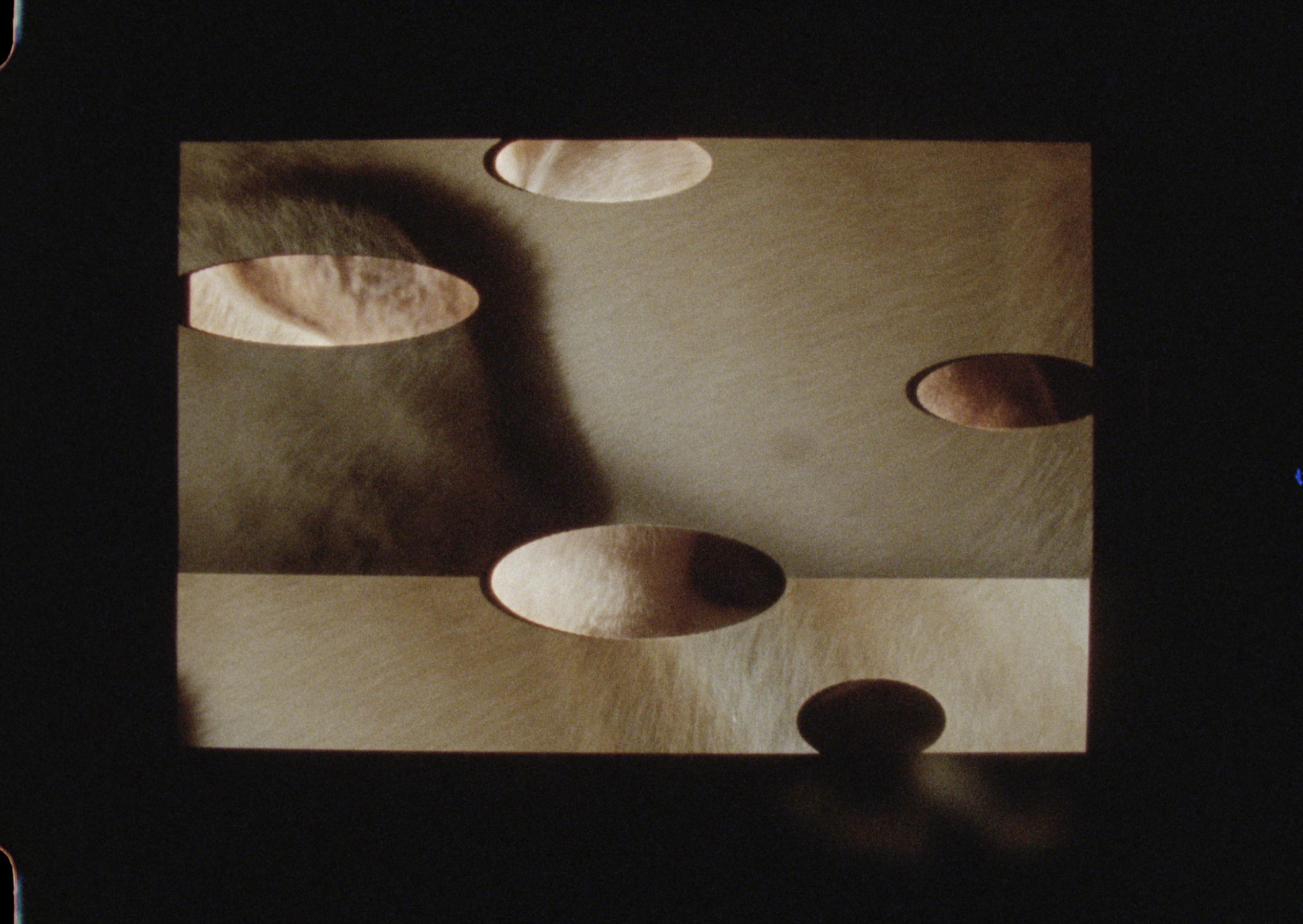
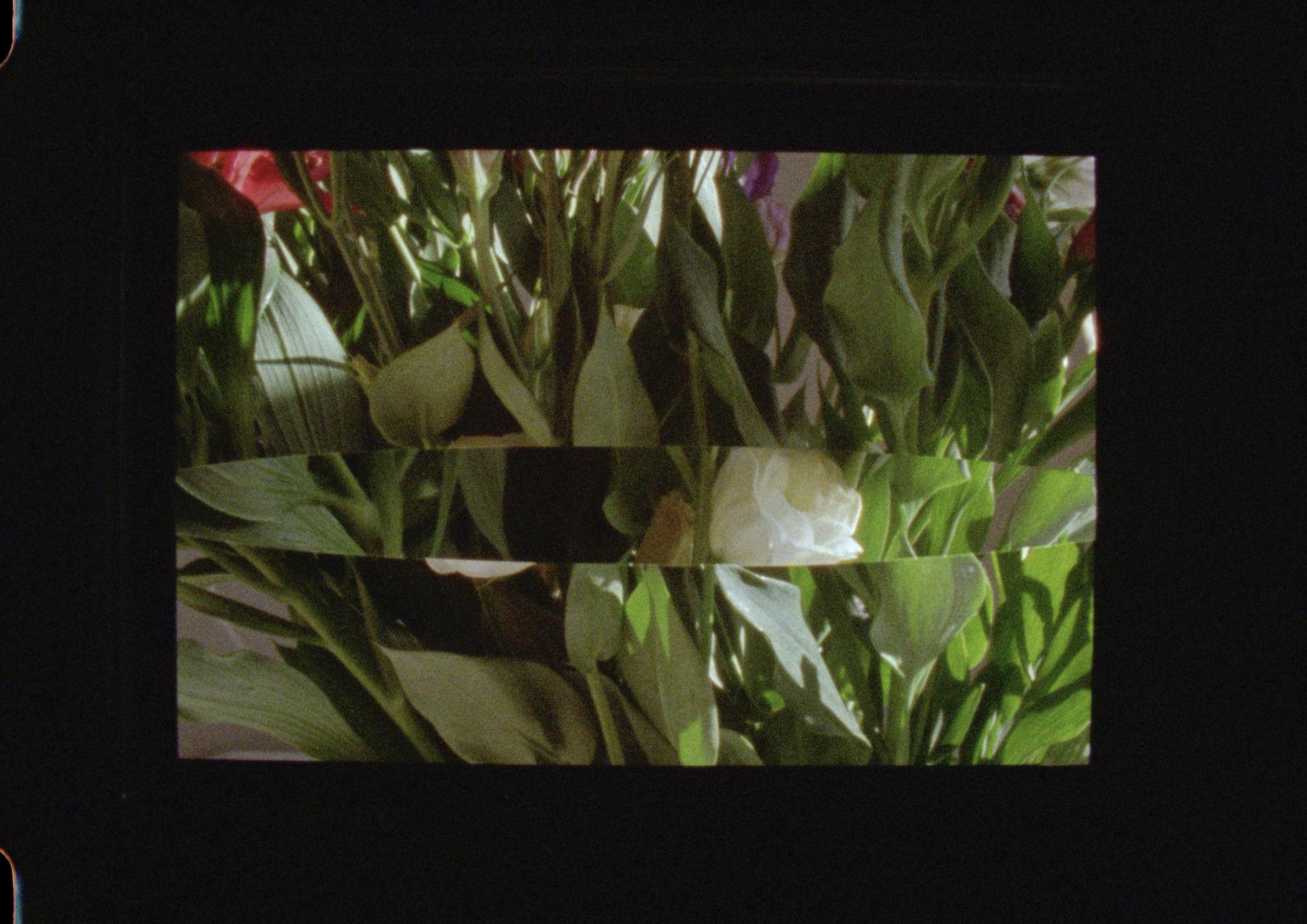
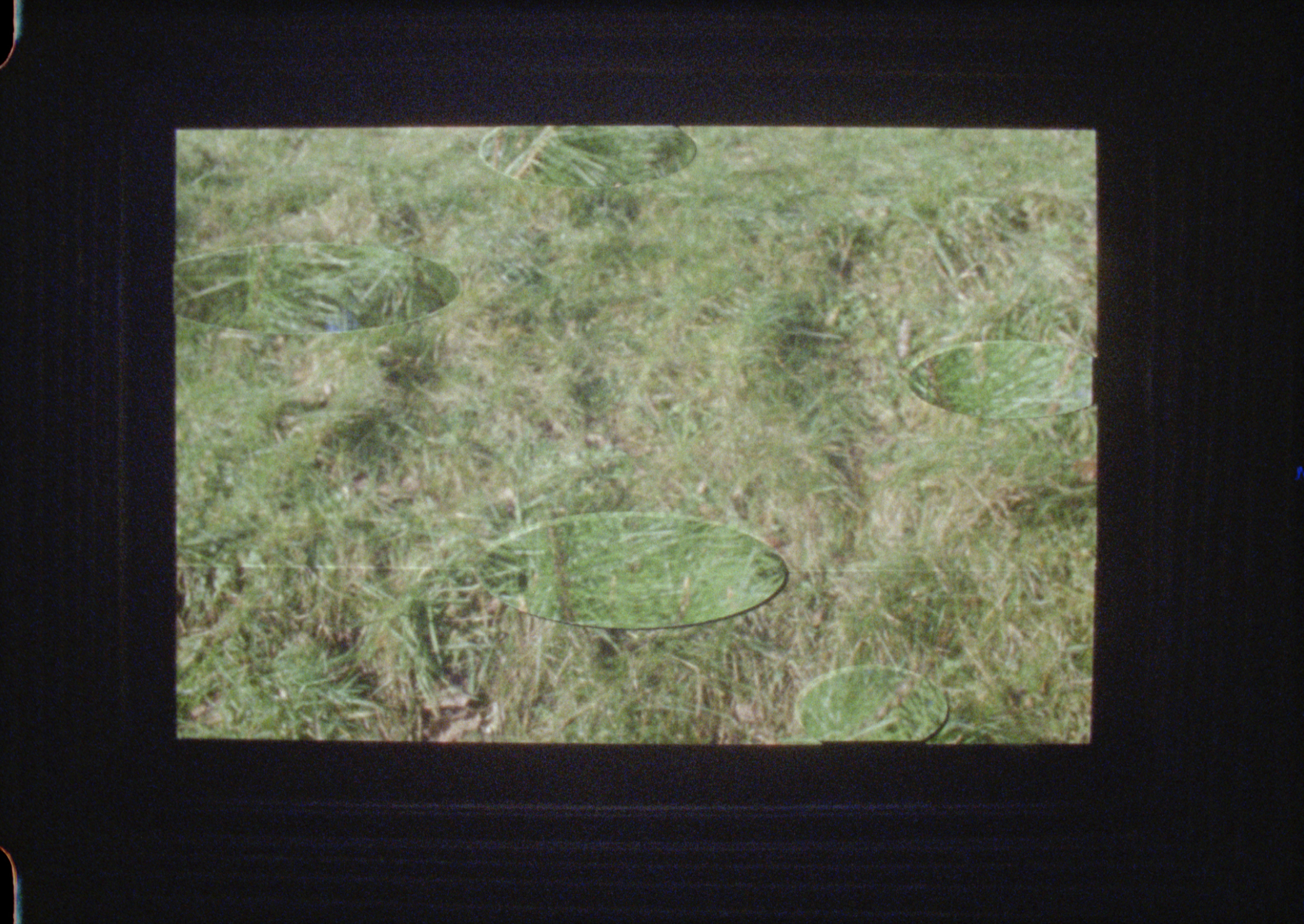
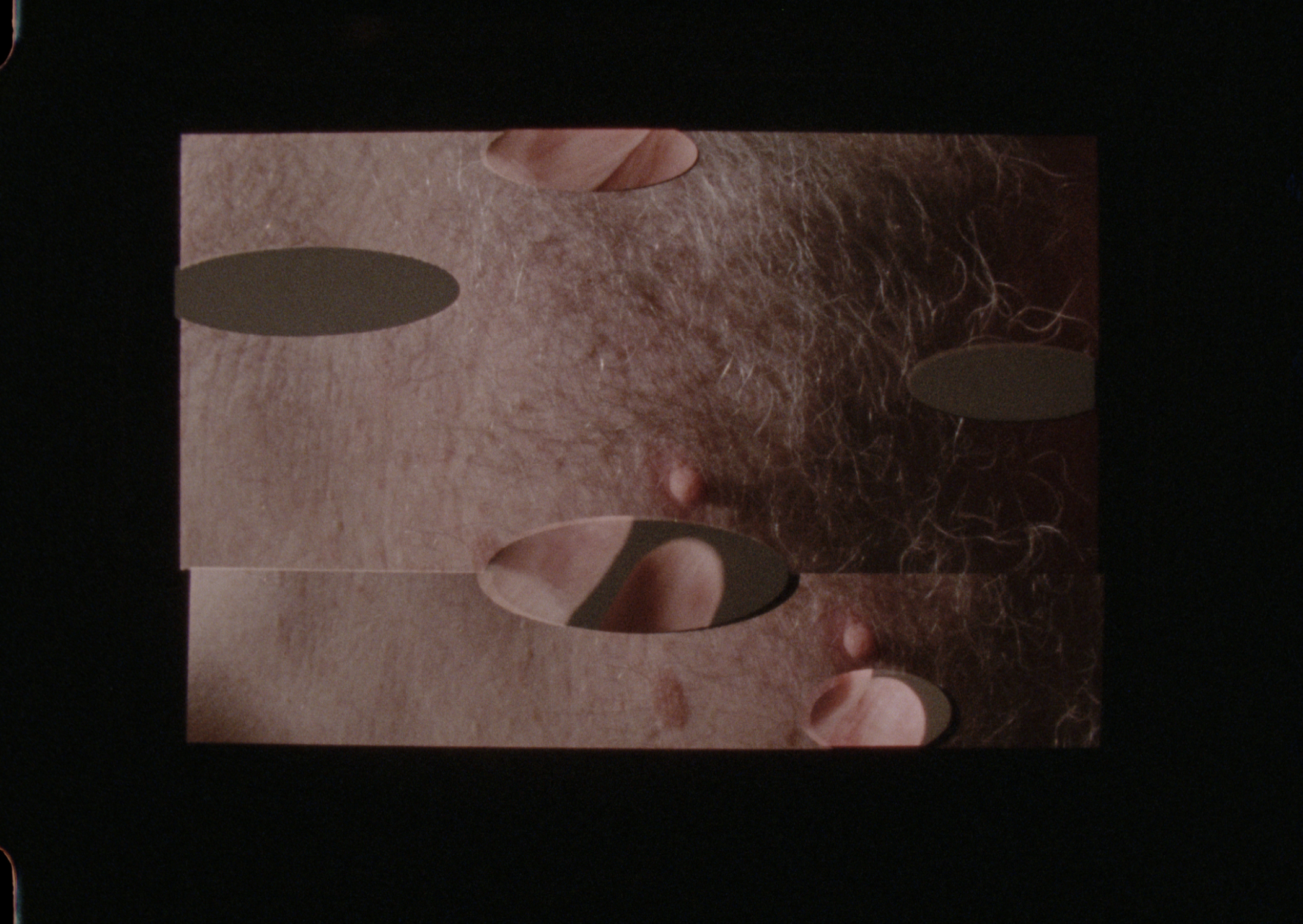
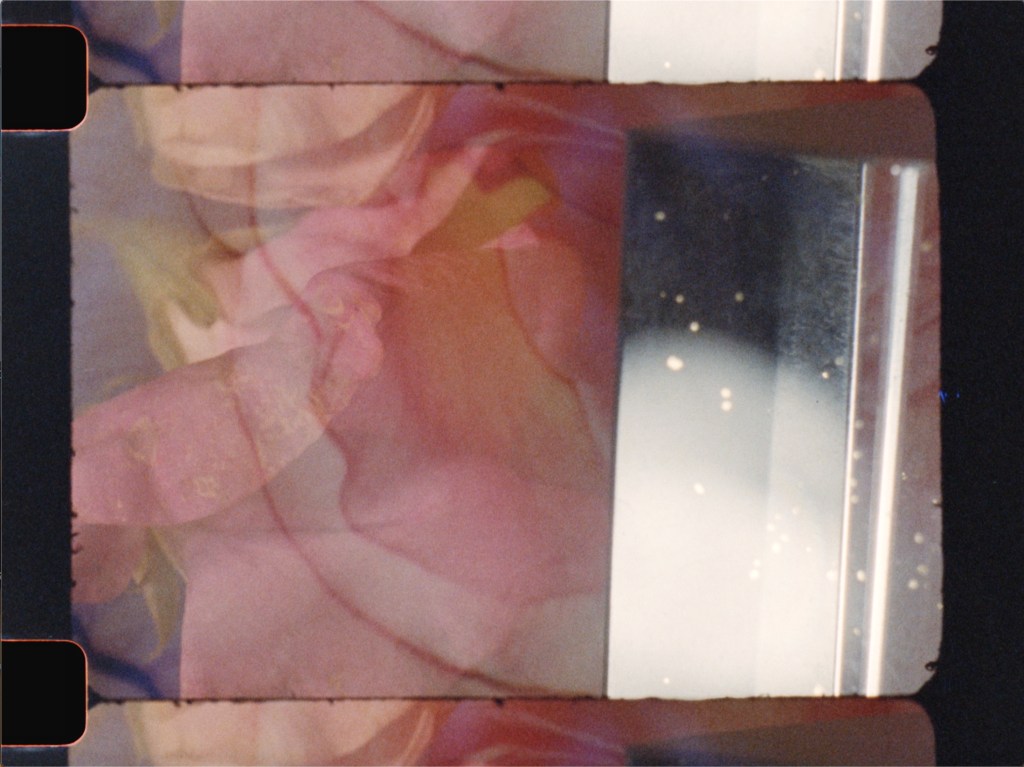
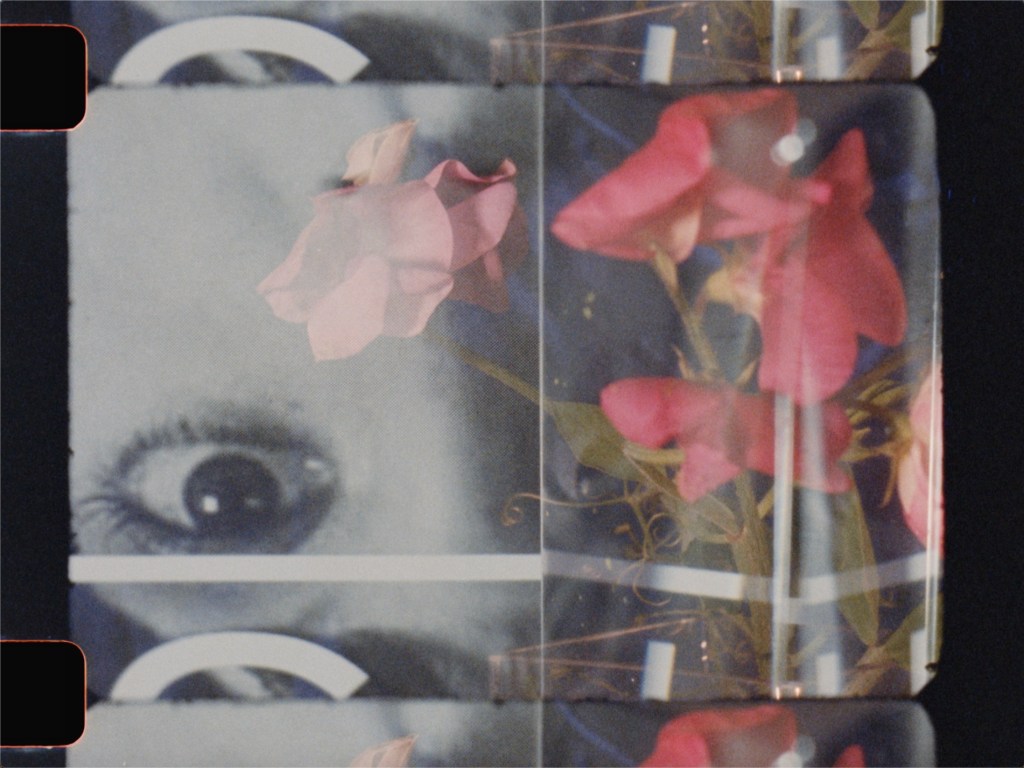
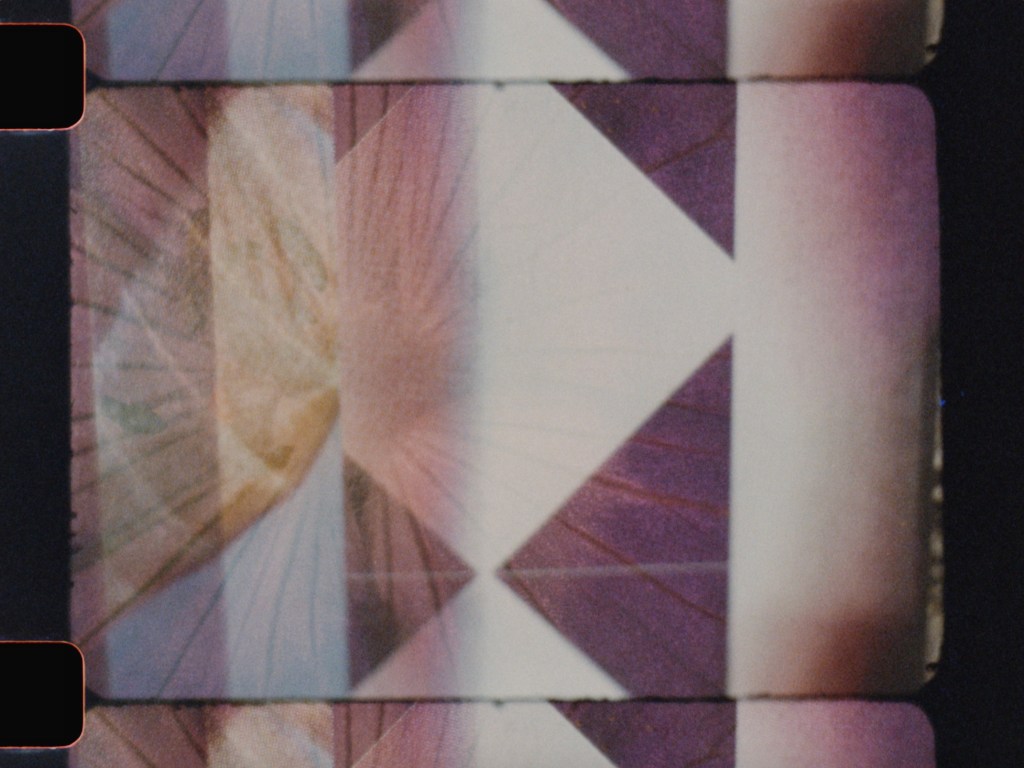
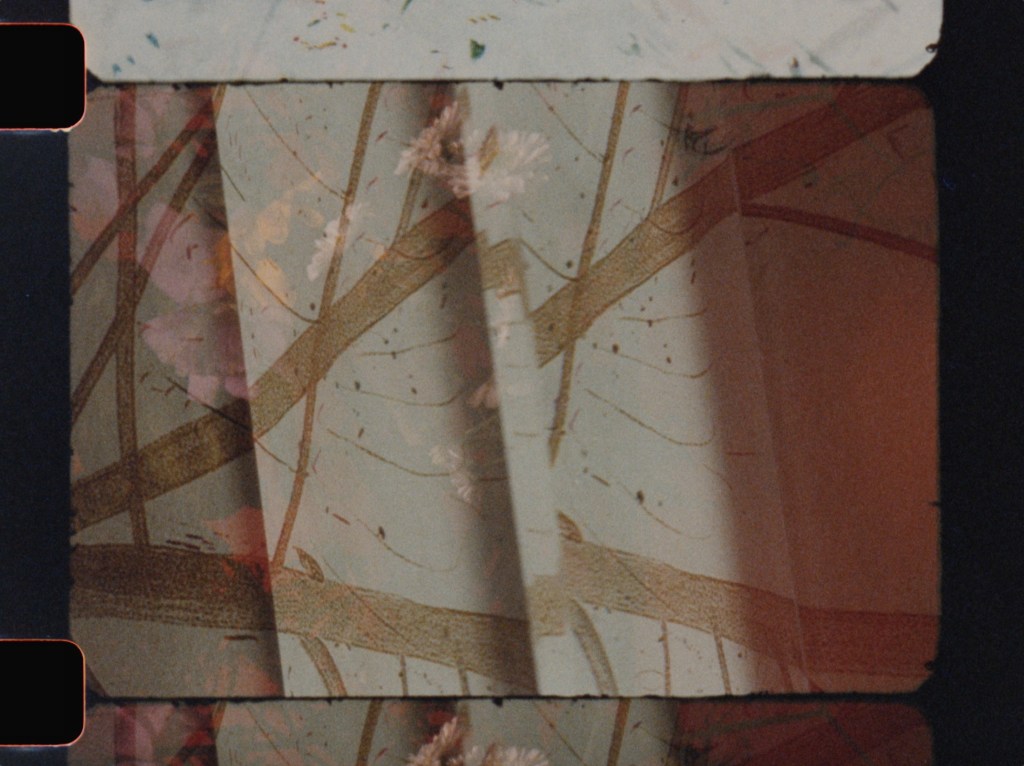
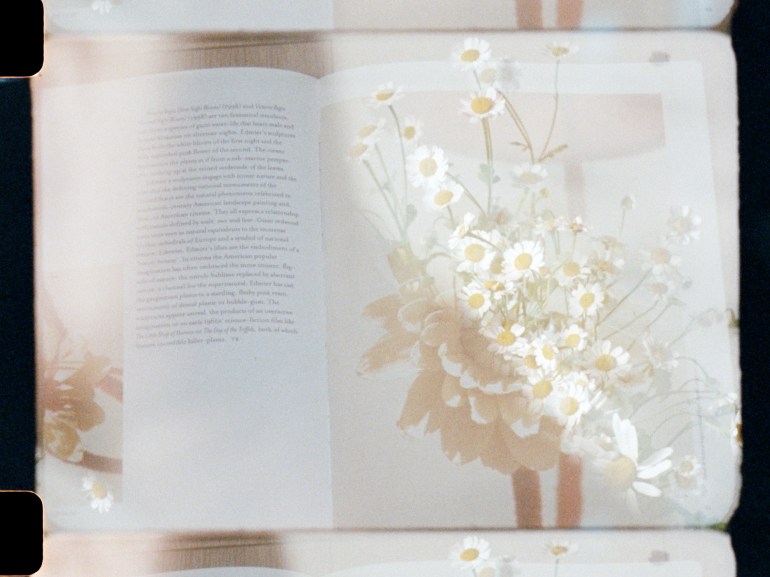
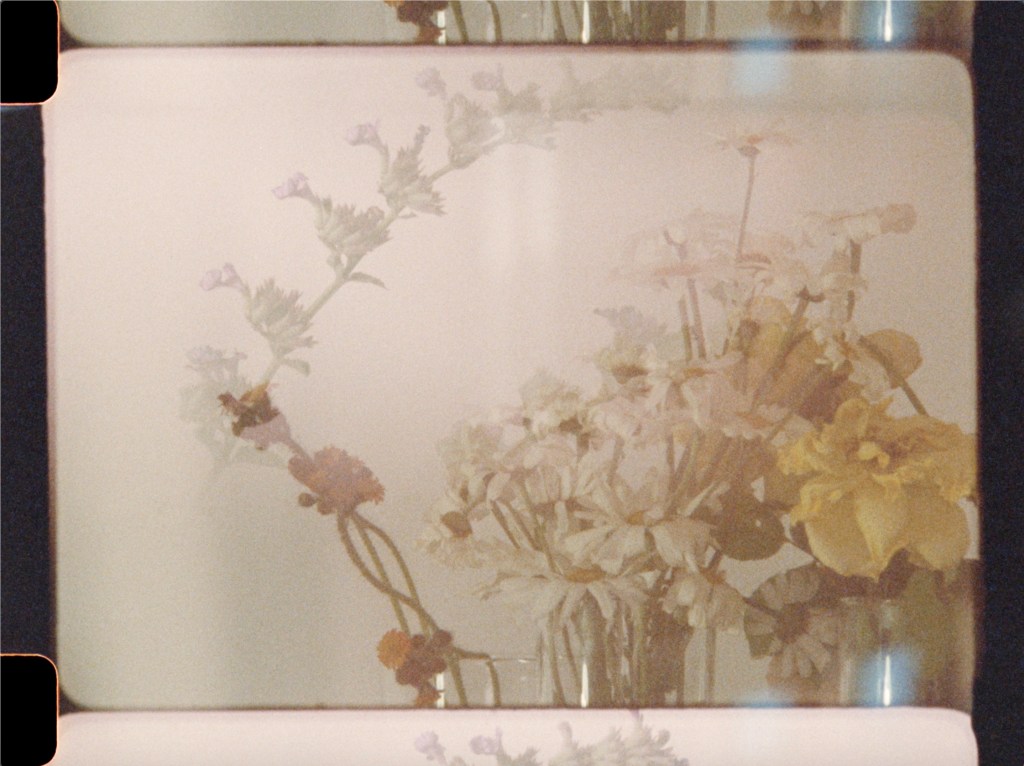
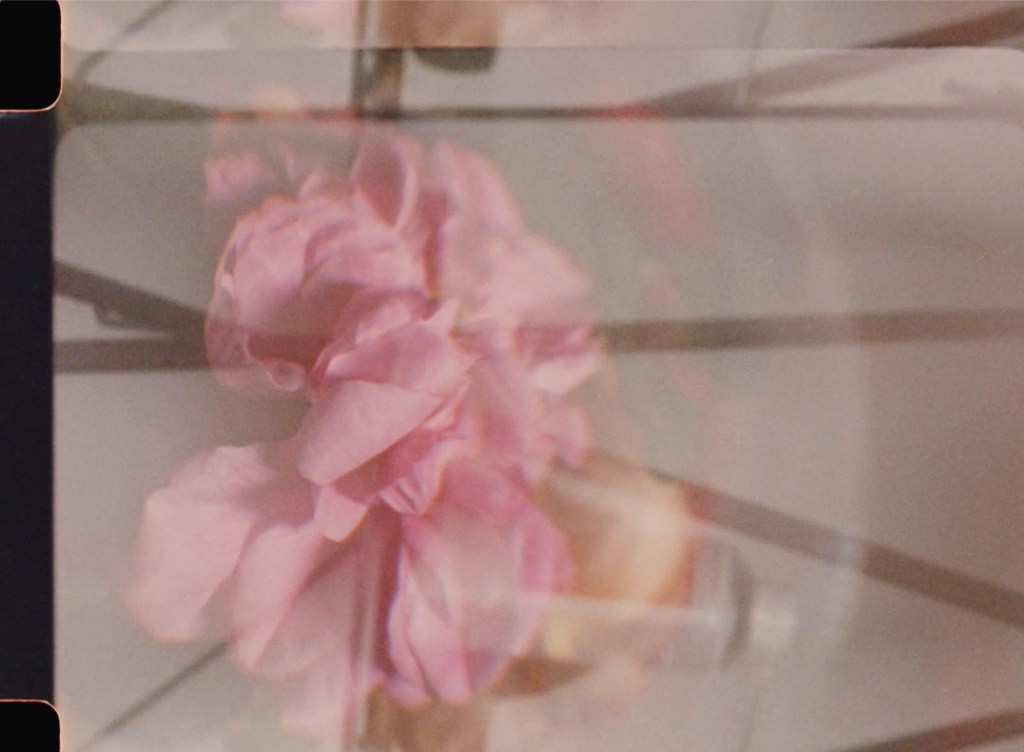
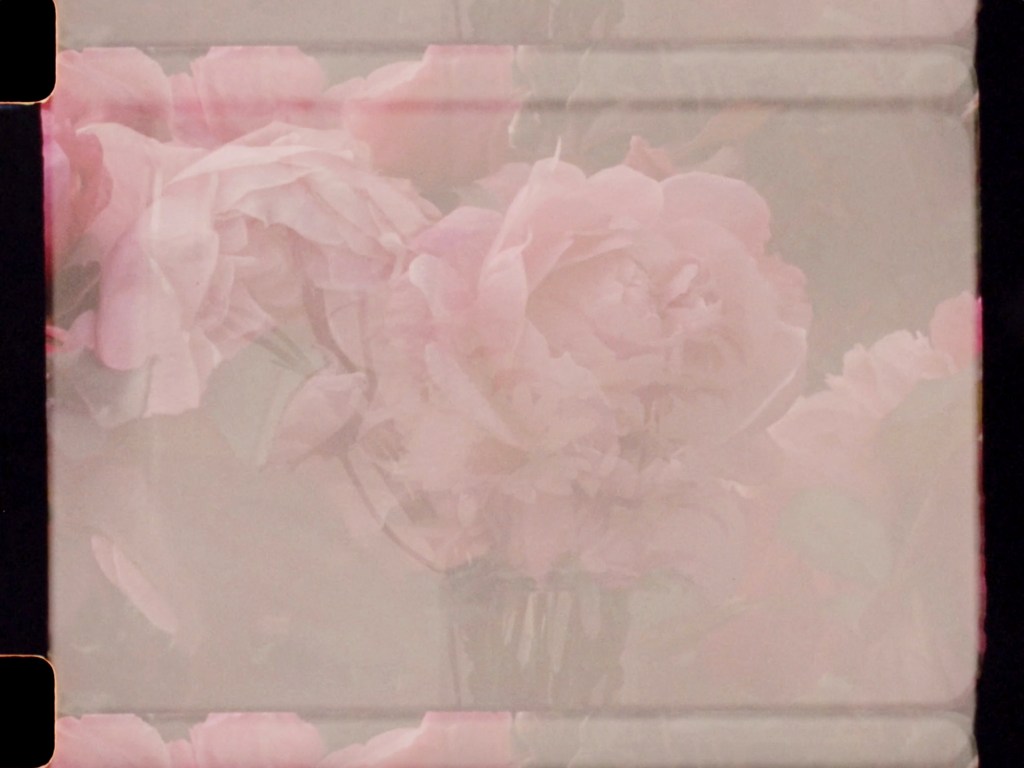
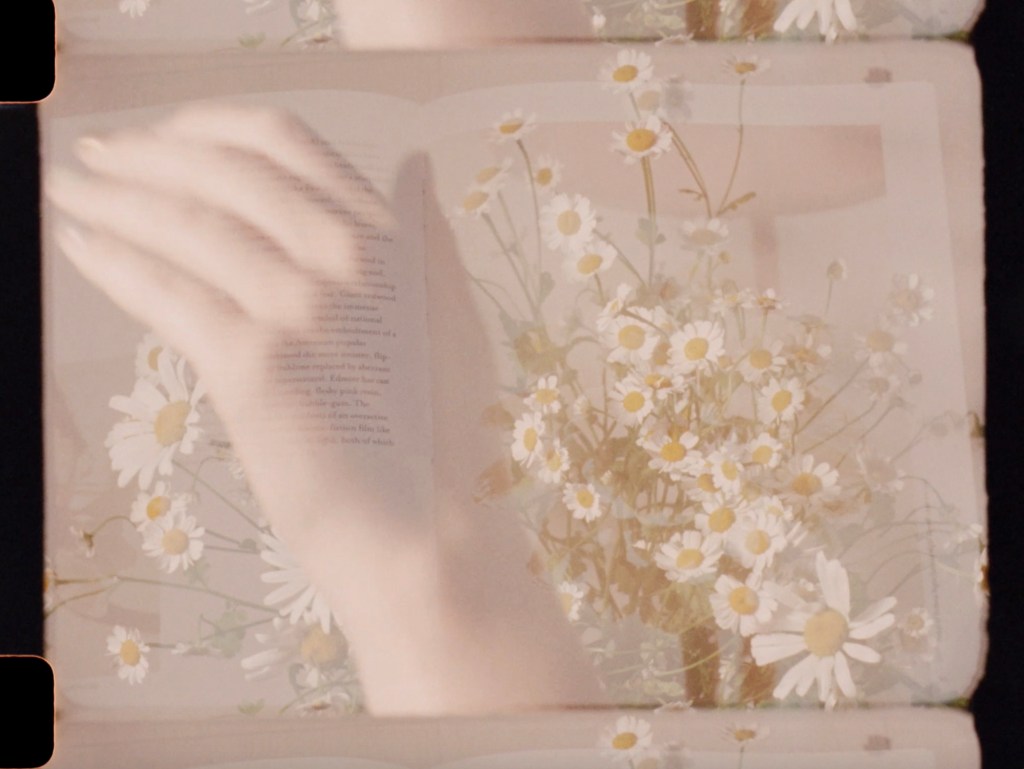
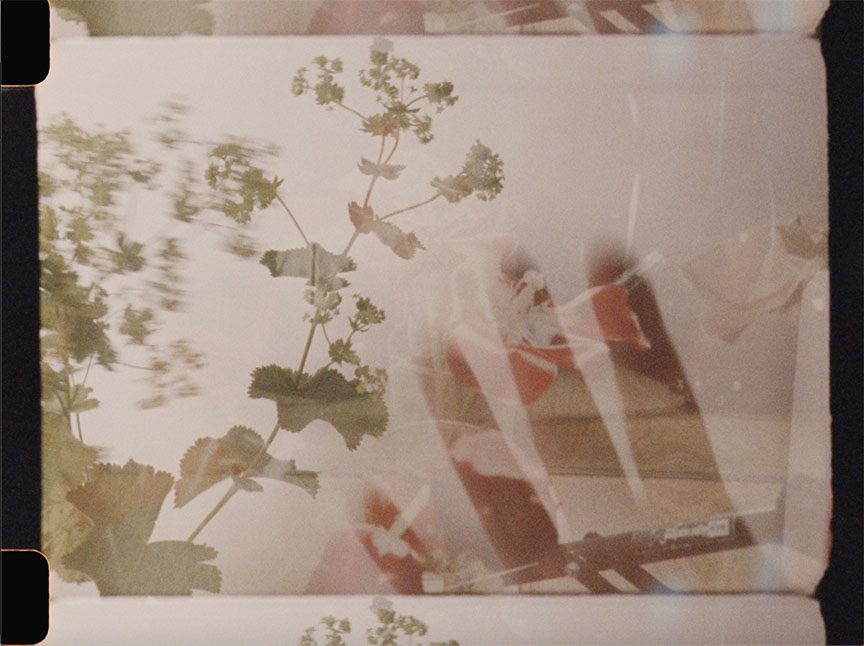
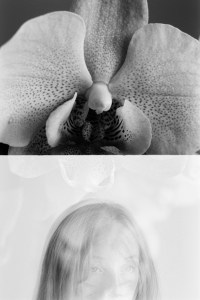
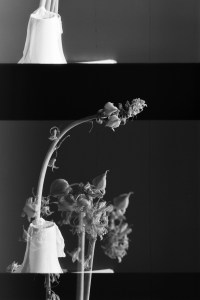
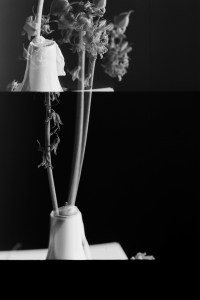
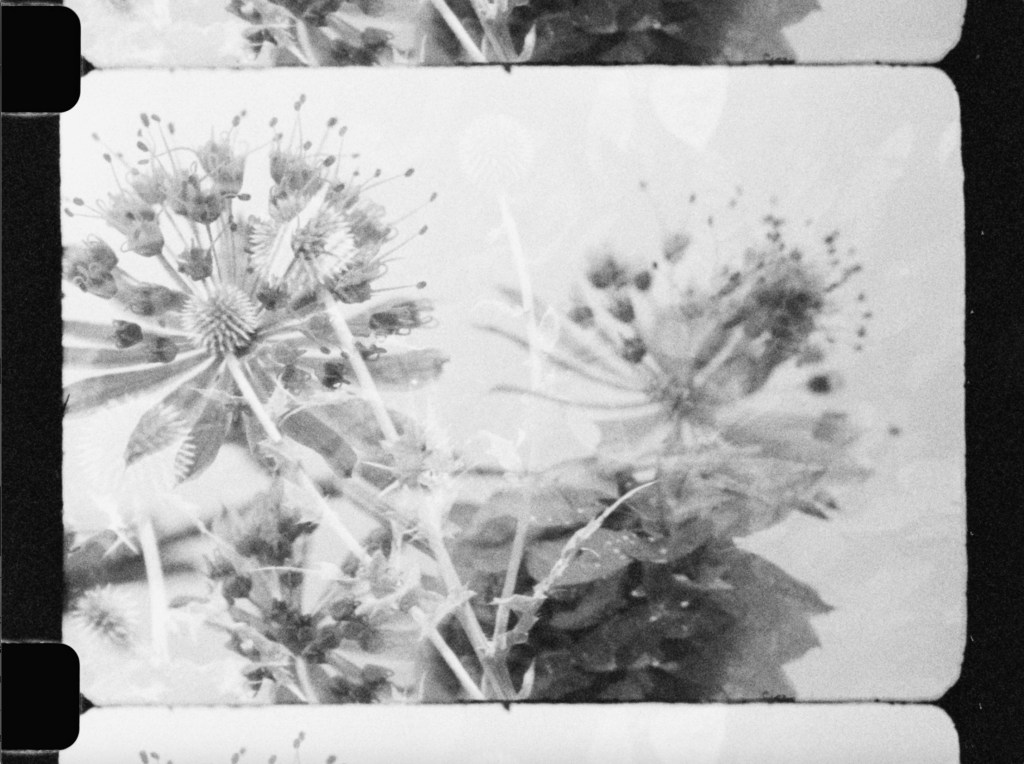
rough cut botanical (2022) interweaves multiple images of plant and animal life, while a voice speaks to the materiality of its subject matter and to film itself. Inspired by audio description, it playfully explores how they may speak their space together. Shot on 16mm, the film uses a matte box, an old cinematic technique to create multiple exposures.
Credits:
Camera: Wendy Kirkup Second Camera: Alex Hetherington Sound: Stevie Jones Words: Wendy Kirkup/Juliana Capes Voice: Nicole Kovacs English to Spanish translation for subtitles:Flora Leask Arizpe
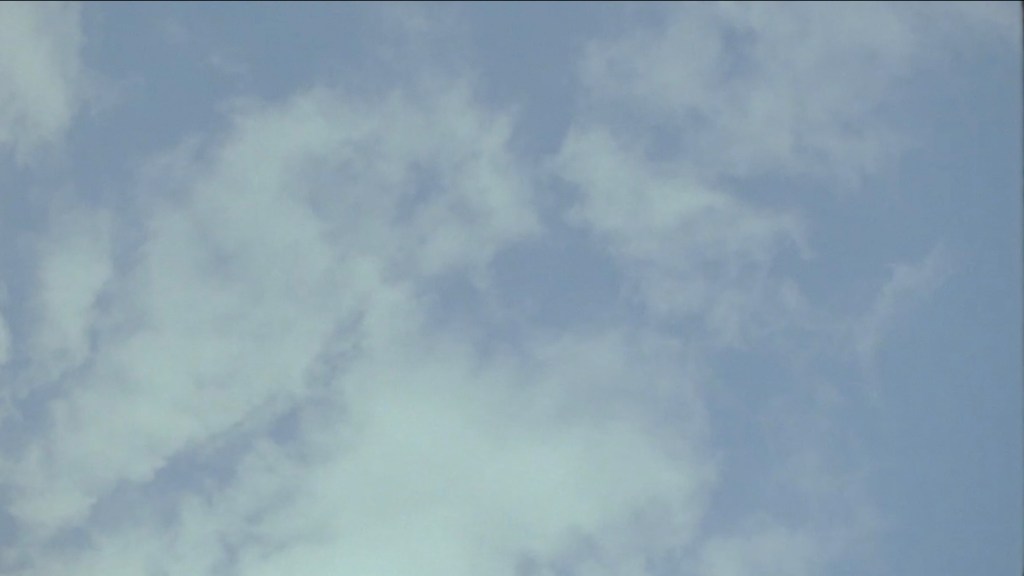
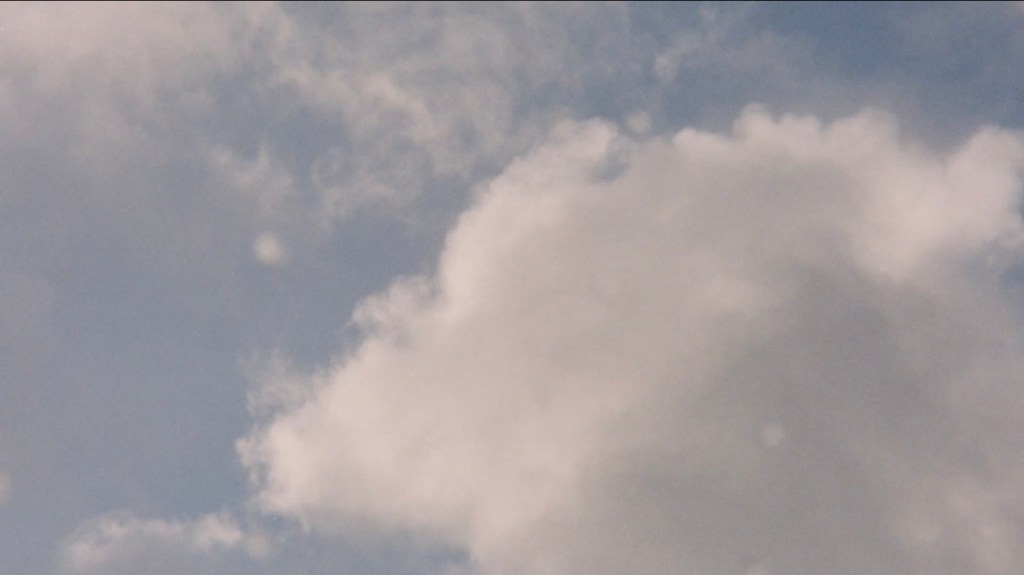
Wendy Kirkup’s 16mm film rough cut botanical is a lyrical reflection on symbiosis, intimacy, and interrelation. Images of plant life are interwoven with shots of water and sky, composing a tender portrait of interconnected ecosystems.
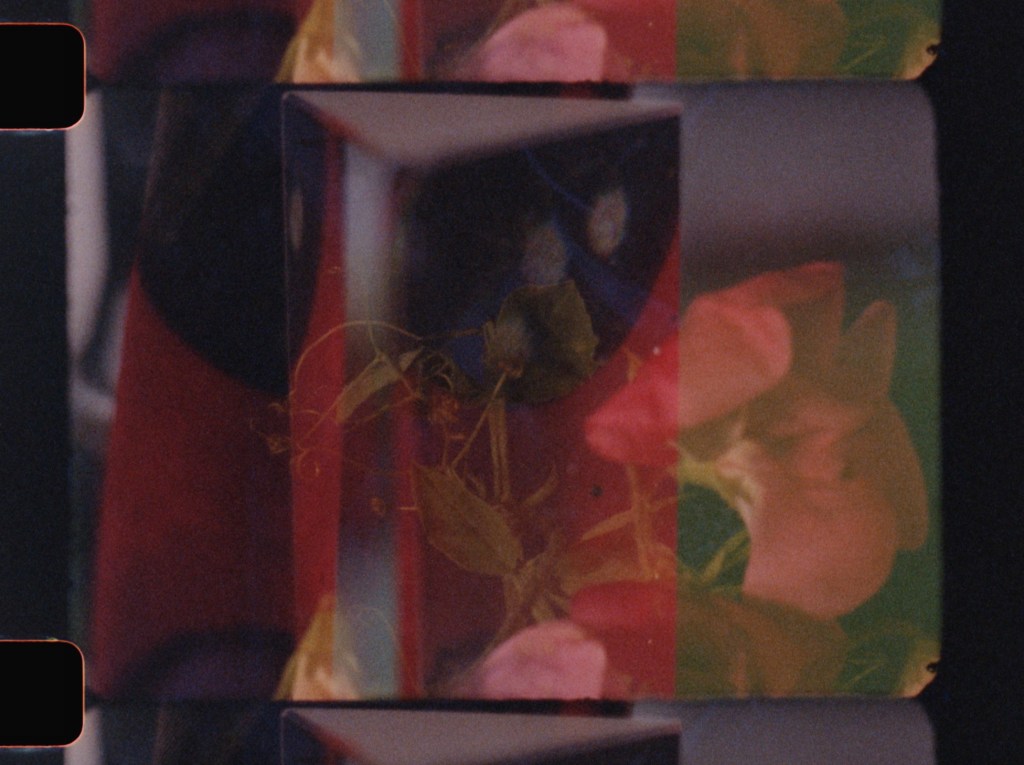
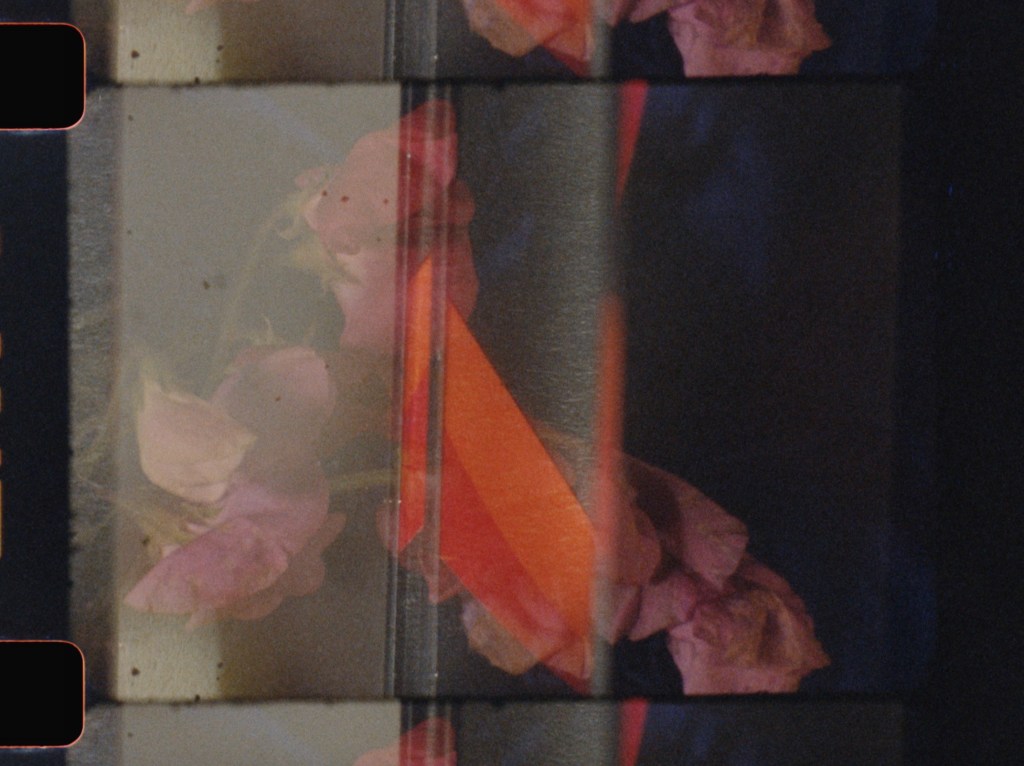
The film is shot using a Bolex camera onto which is fixed a matte box. This device is used to hold mattes: cards with cut-out shapes through which film is exposed. The concertina-like interior of the box is visible in many of the final shots, providing a frame to Kirkup’s images throughout the finished film. As the piece unfolds, light filters in or is blocked entirely, creating sun-spots, shadows, and blackouts within the matte box, adding to the visual rhythm of the work. The slightly dusty folds of the box root the video work within its own processes of making, drawing attention to the materiality of film-making and emphasising the physical roles of light, apparatus, and chemical transformation at the heart of analogue film.
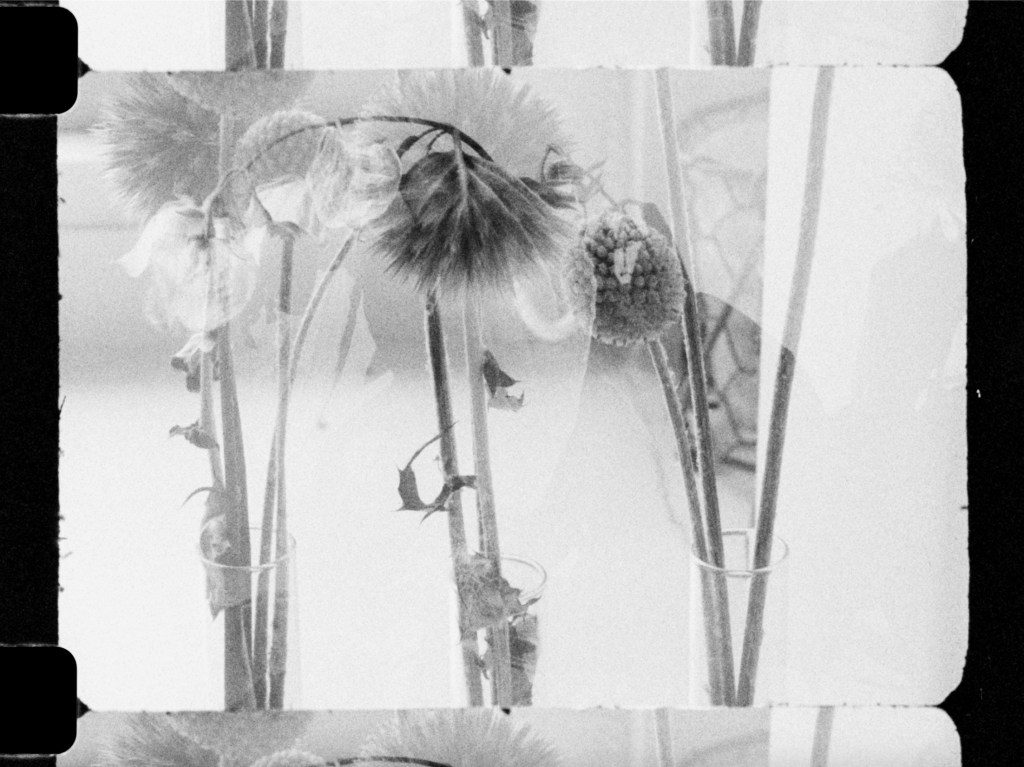
The matte box and the rewindable mechanism of the Bolex camera offer a vehicle for creating multiple exposures, utilizing the materiality of analogue film, which can pass through the camera multiple times. The piece reveals layers of complementary or contrasting imagery through a series of ovoid openings. rough cut botanical is a meditation on perforation; on the many ways in which lives and matter bleed into each other, through stomata, pore, and lens. Featuring both wild and cultivated plants, as well as skin, fur, and other bodily surfaces, the film speaks to the intimate relationships between vegetal and human beings.
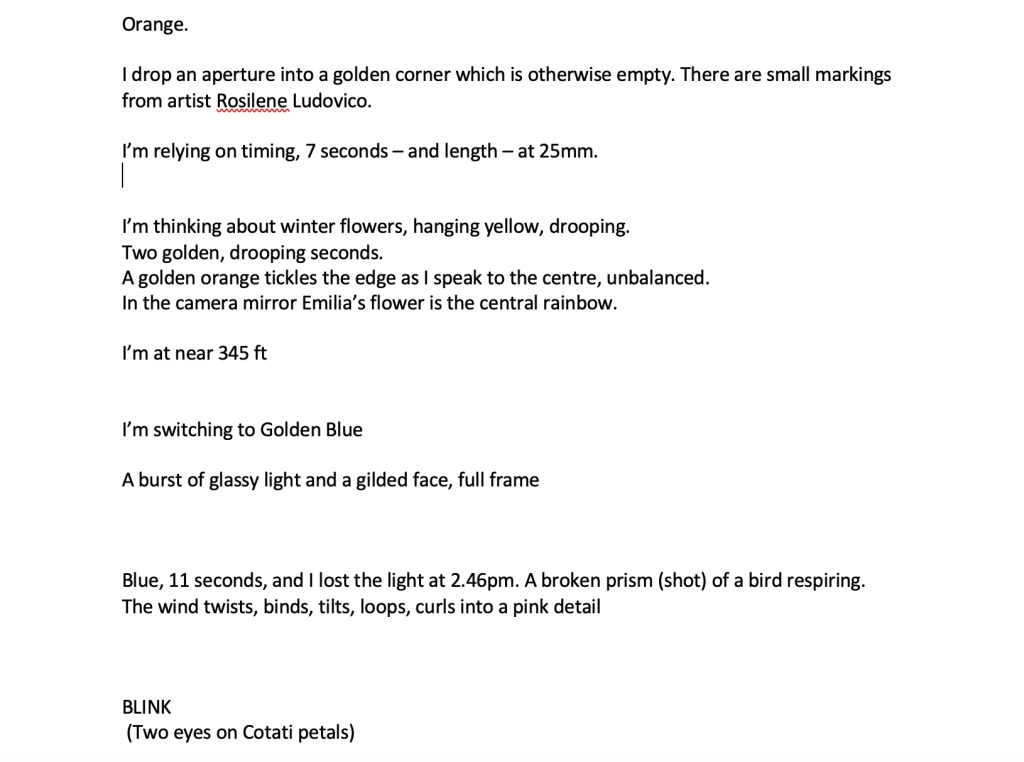
The voiceover, which is inspired by audio description techniques, provides a poetic and playful commentary on both the material processes and subject matter of the film, emphasising the inextricable links between these elements. The script revels in the lushness of language, playing with word association and pushing language to the point where definition breaks down and sensuous sounds overtake meaning.
Throughout rough cut botanical, the identity of the narrator remains obscure; is she the voice of a plant, a human being, or even the camera itself? “Blue bleeds into me through perforations, set against planes of light”, she states. “Water rushes through me, as it rushes through you.” Who are “me” and “you” in this context? Perhaps they are ultimately one and the same, light and matter filtering through our perforated bodies in an ongoing exchange.
Tacita Dean says she is “always filming things that are about to disappear”, while in many discussions and observations on her films and filmmaking she often speaks about “shooting blind”, in The Conversations Series (No.28) with curator Hans Ulrich Obrist, for example.
Transient objects, senses and subjects disappearing in seasonal time, moving to memory in living light. Birds, flowers, tides, smoke, trees, wings, heat, rain, skin and fur. Closing the dowser or shutting the len’s aperture favors a camera’s optics over the raw sight of the human eye. In my experience this is often a challenge, especially with early career film practitioners who don’t want to leave anything to chance and who put too much trust or rely on sight on their subject as experienced in real time.
Set up a camera scenario and close your eyes, I say. I think a lot about this too as my eyesight gets worse as I get older. I look now and think more about what I want to see, where I choose to focus. Shooting “blind” too considers the role of laboratory and the processes, chemicals and washes that translate coils of image-making in a negative past to declaration in a positive present. Luck plays a part too. And patience.
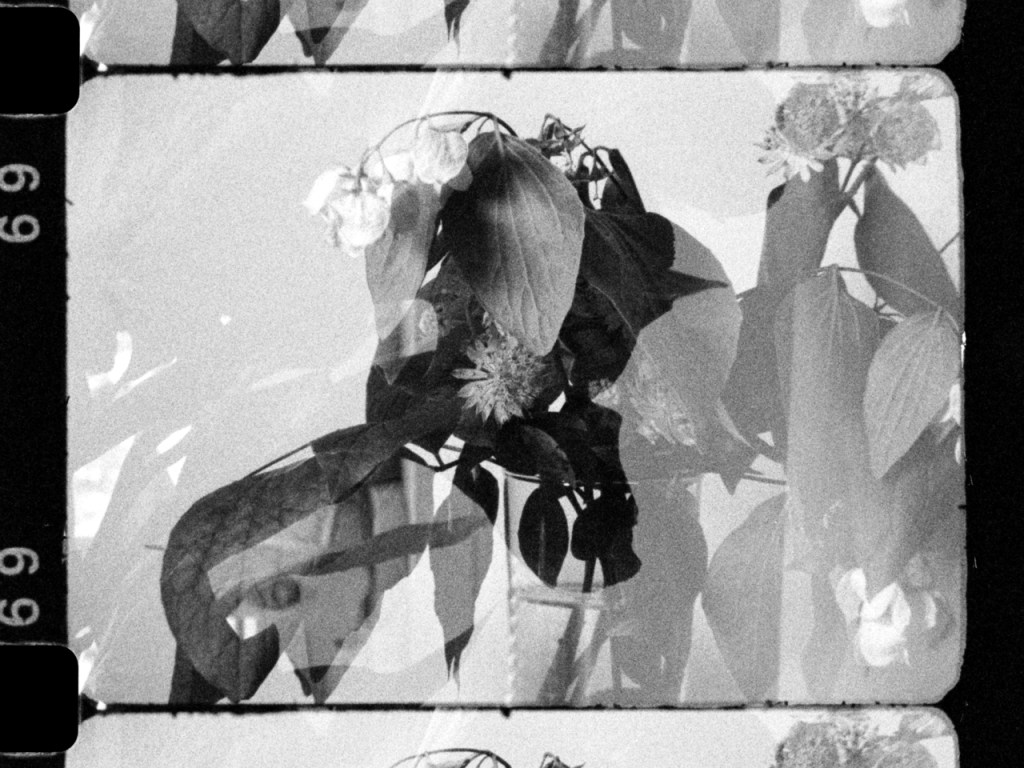
Wendy Kirkup’s uses of a series of complicated precisely cut mattes fixed to her Bolex clockwork camera with a matte box, for uses with a 10mm (wide) lens plays with a cinematic ‘game of consequence’, pure experiment and the filmic collage. I think too about the term blind that suggests that ‘sight’ (knowing, feeling, understanding, trust, visualizing, hallucinating, dreaming, a feel for things) comes from places other than the eye. Call it instinct. On the image plane apparitions from different ‘pasts’ are assembled together in punctures, folds, abrasions and synthesis. Light plays a part too, impure, it comes in often uninvited in bursts and different rhythms. Camera chimeras, exchanging the exposed with the unexposed, with the rewind key and repeated, multiple exposure, a tallying through time and numbering on frame counters, a counting-down which results in the creation of an impossible image. Fractured, vulnerable, damaged even. Evading real time. Liberated from real time. Not disappearing then after all, conjured to the surface, appearing.
I think too about how these matte box images speak about filmmaking’s plural actions, what it means to assemble images made from the bringing together of different impulses or intentions: technical and creative, and the representation of learning and experiencing through the camera as a collaborative device. So here they are, these things exist.
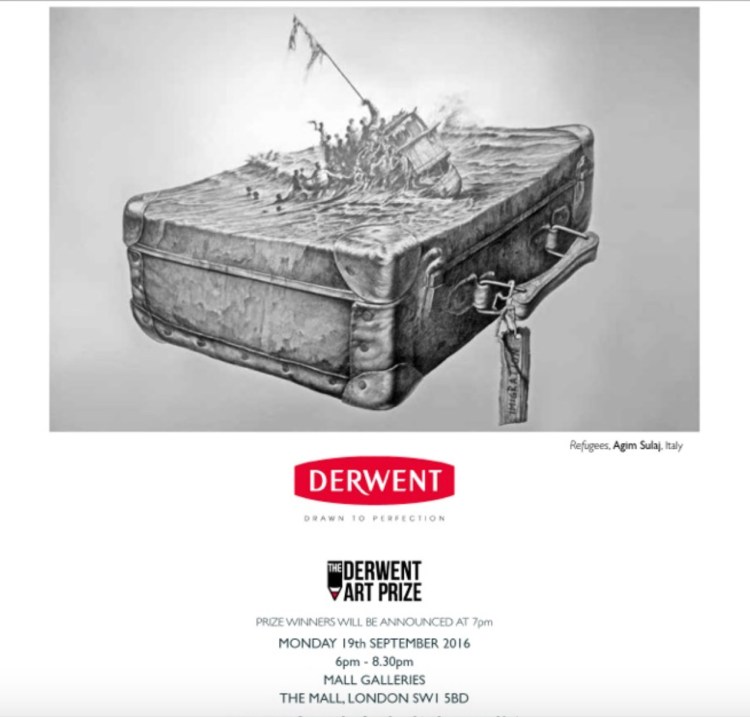
2016 Derwent Art Prize, (Touring) Mall Galleries, London, Trowbridge Arts Centre, Wiltshire. Selectors: Meryl Ainslie, Eileen Cooper RA and Michael Glover.
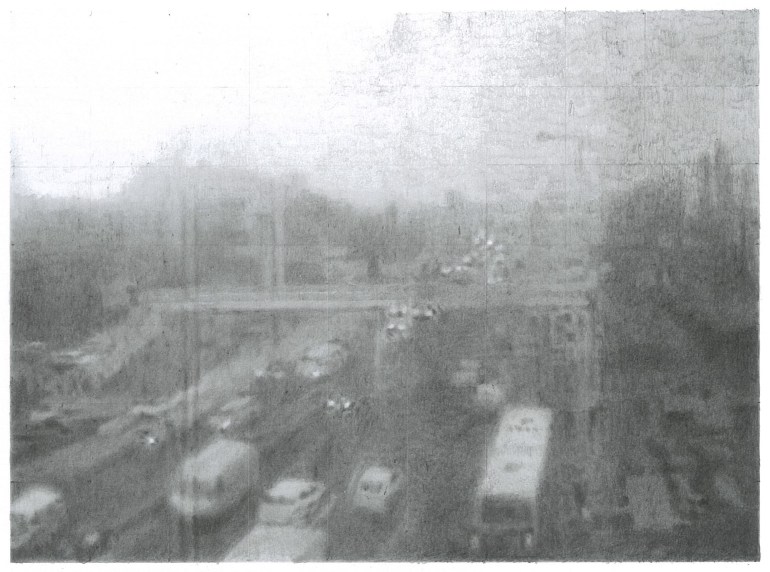
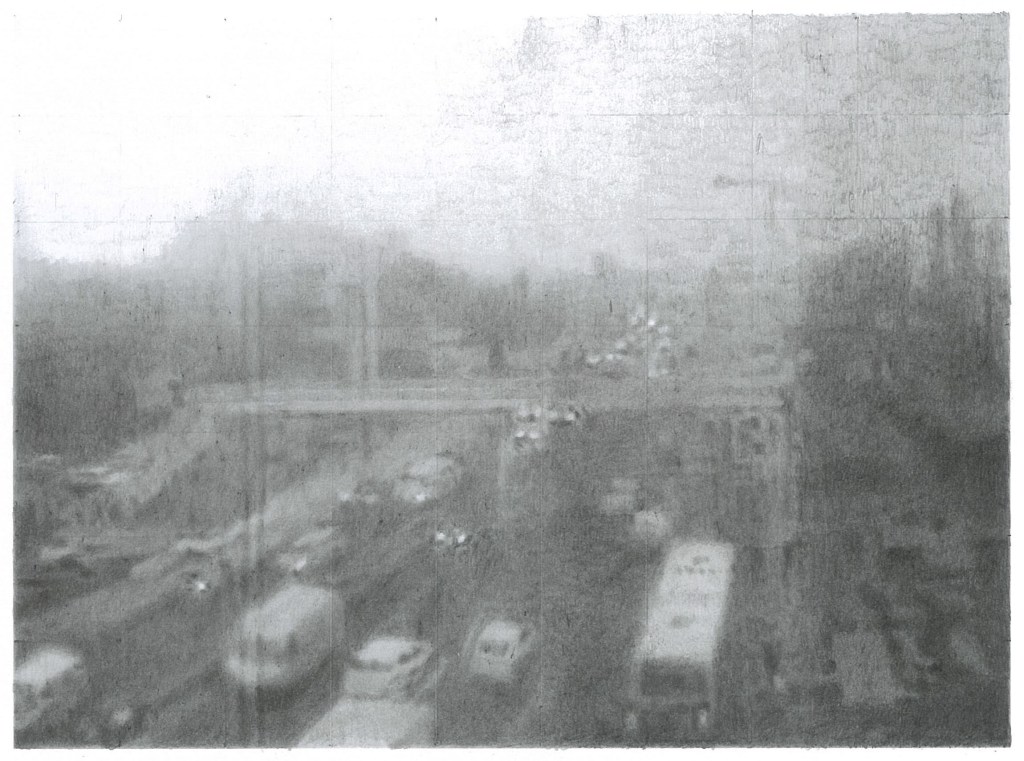
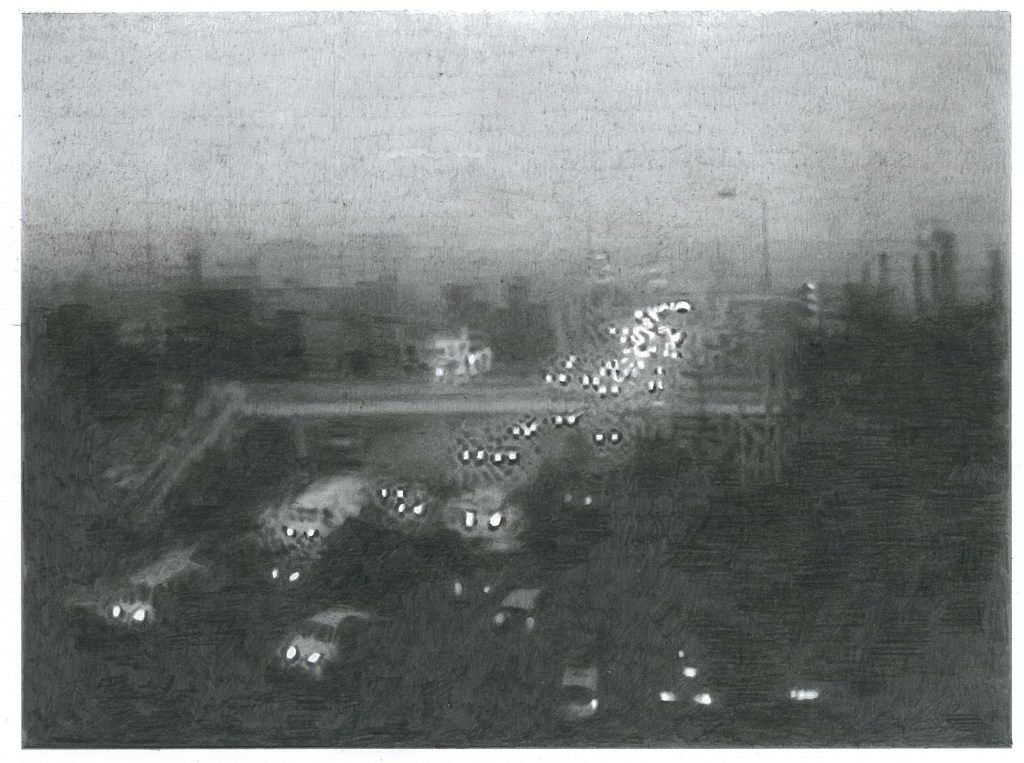
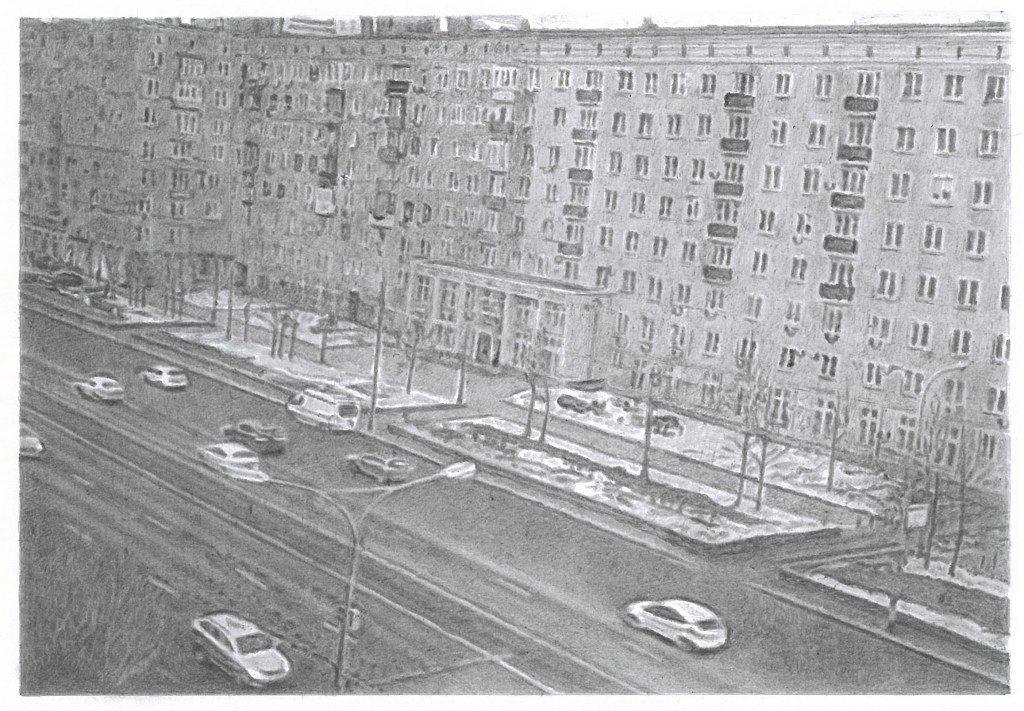
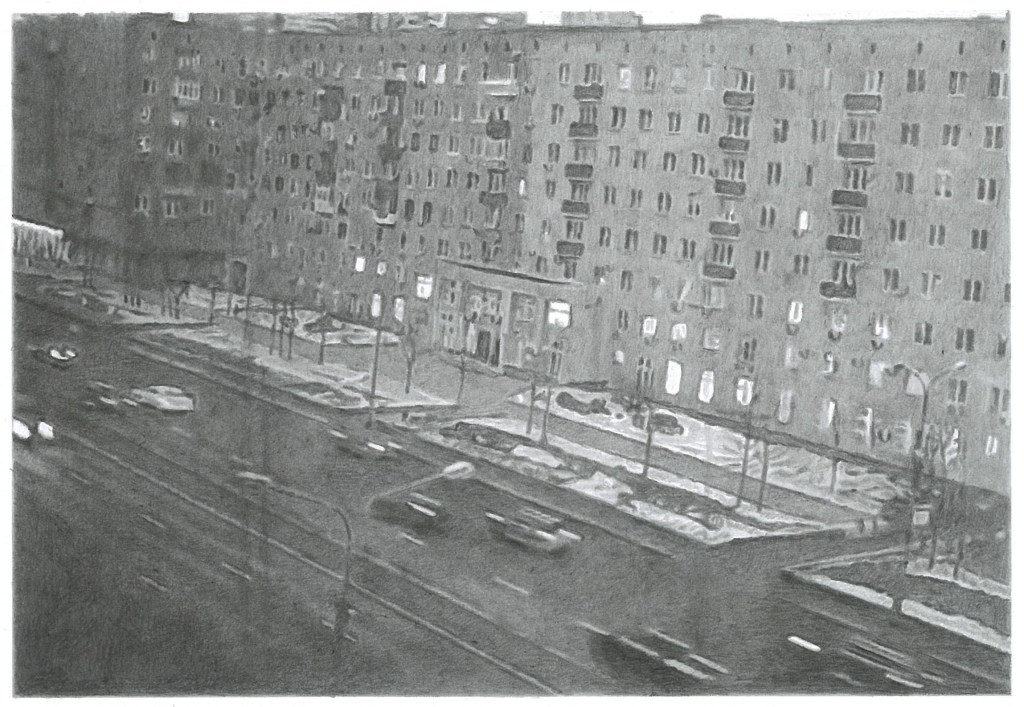
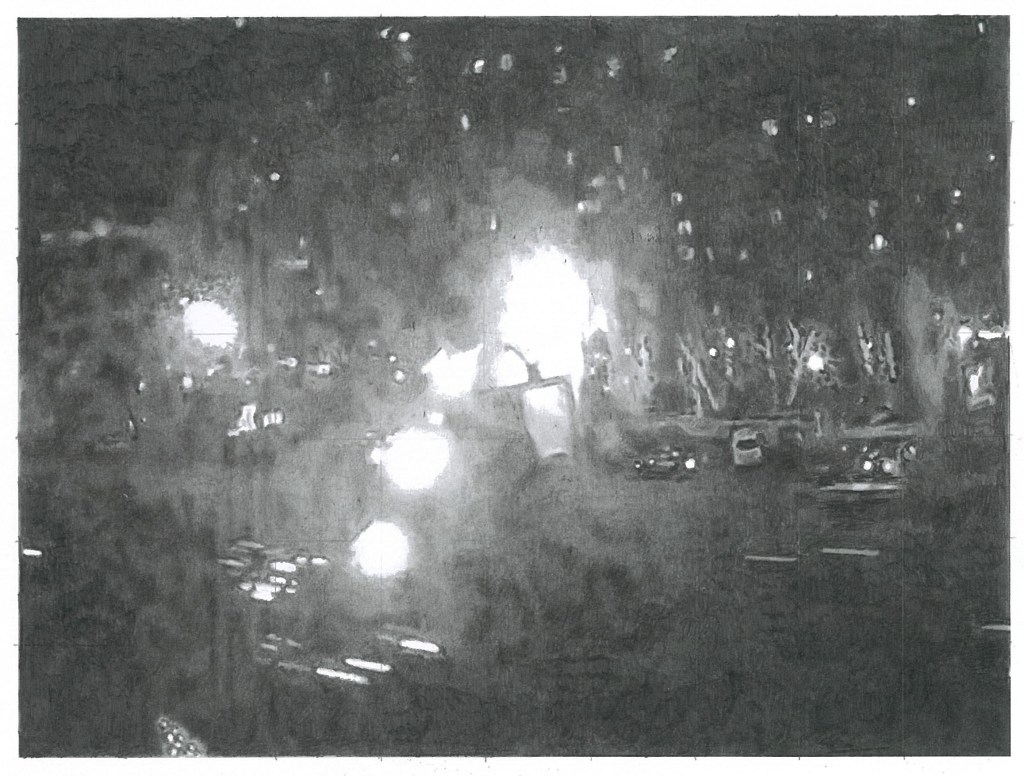
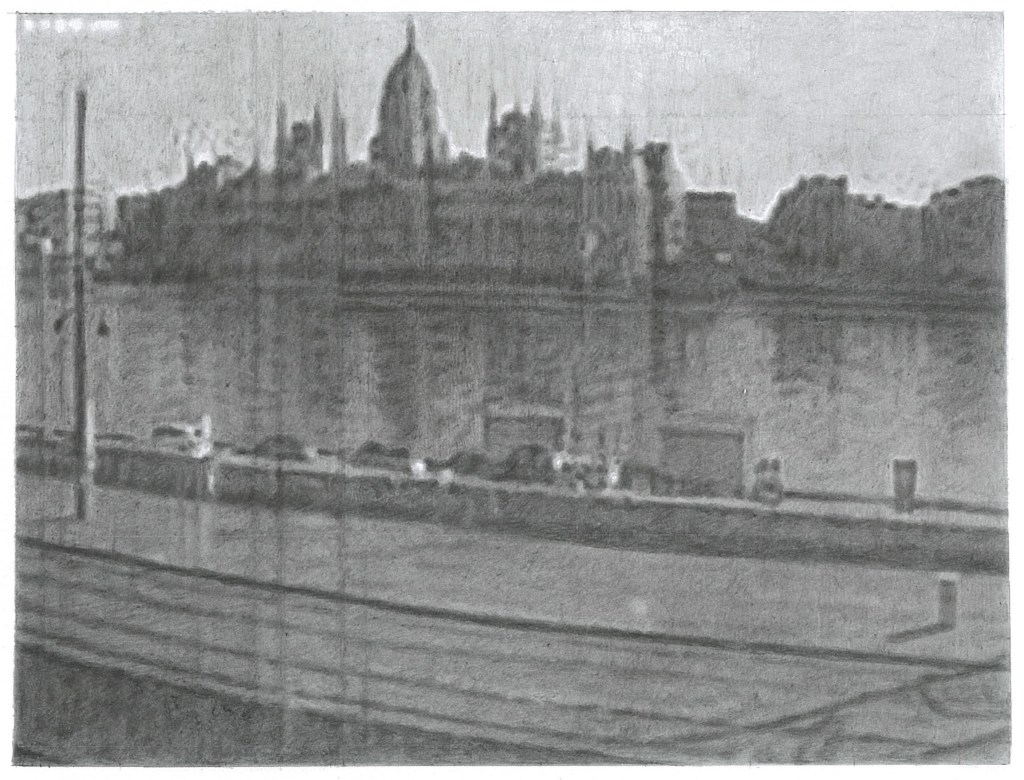
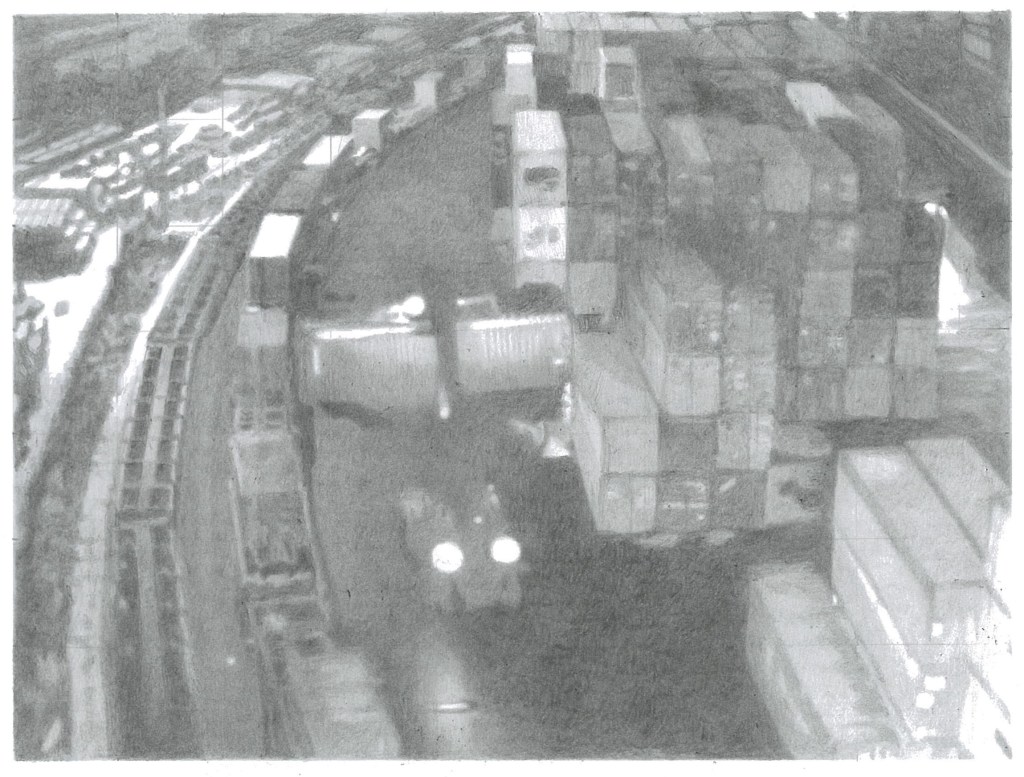
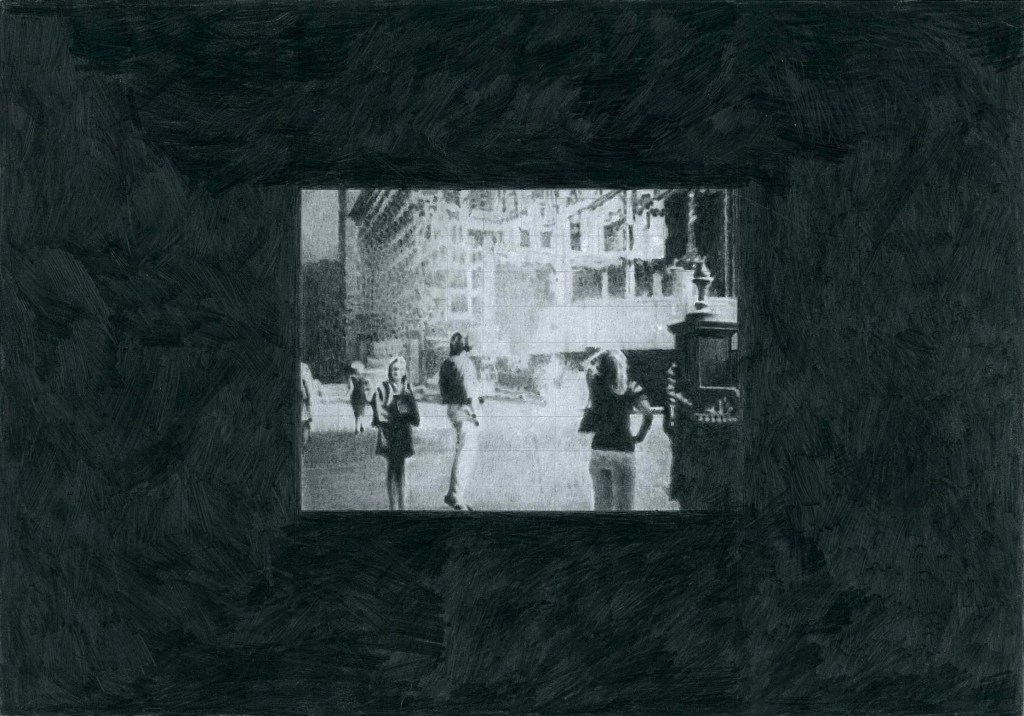
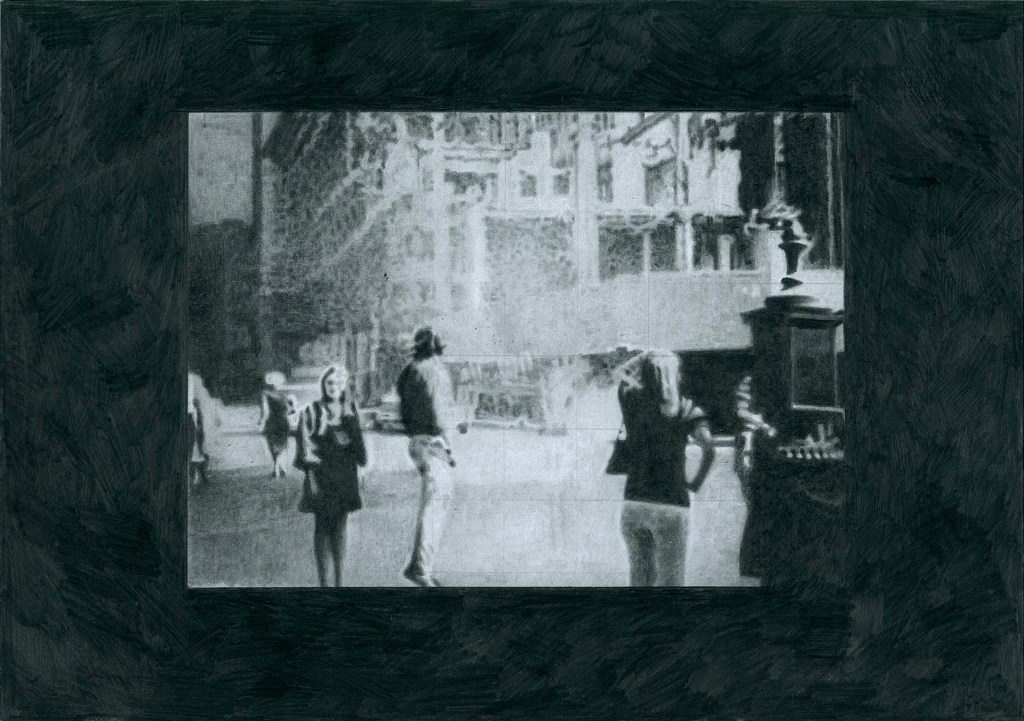
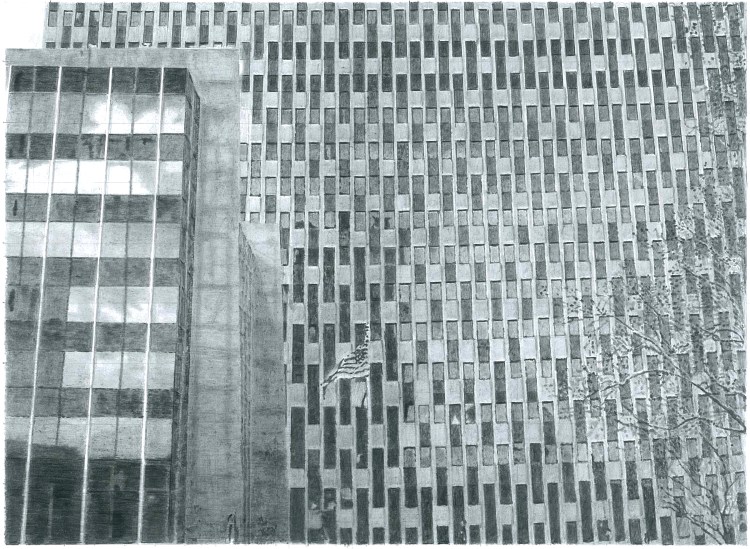
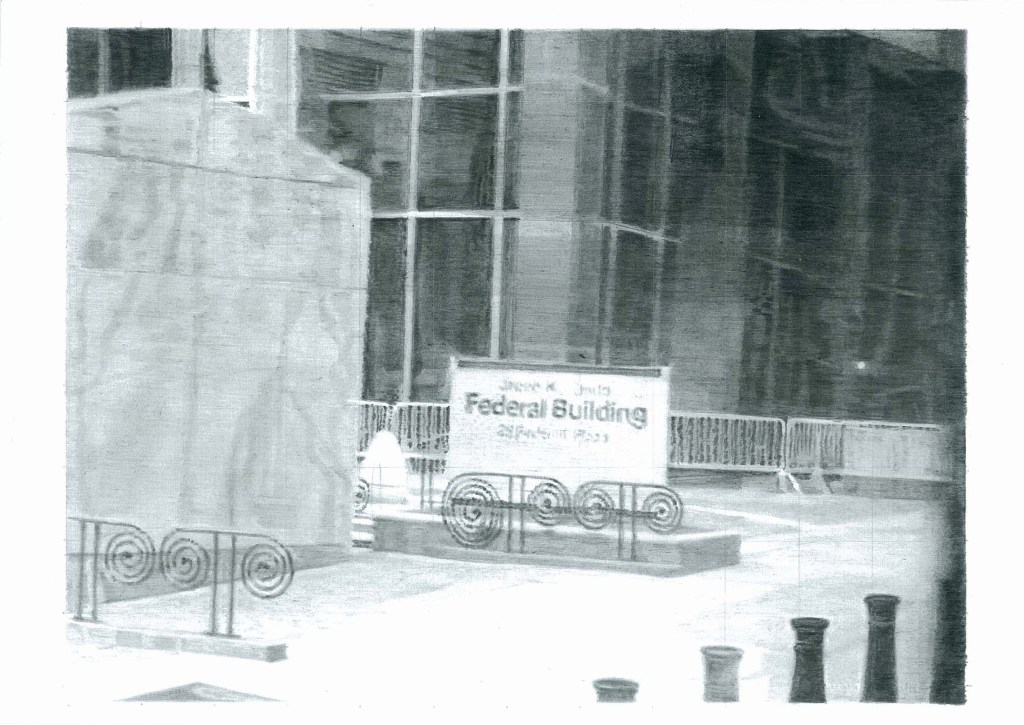
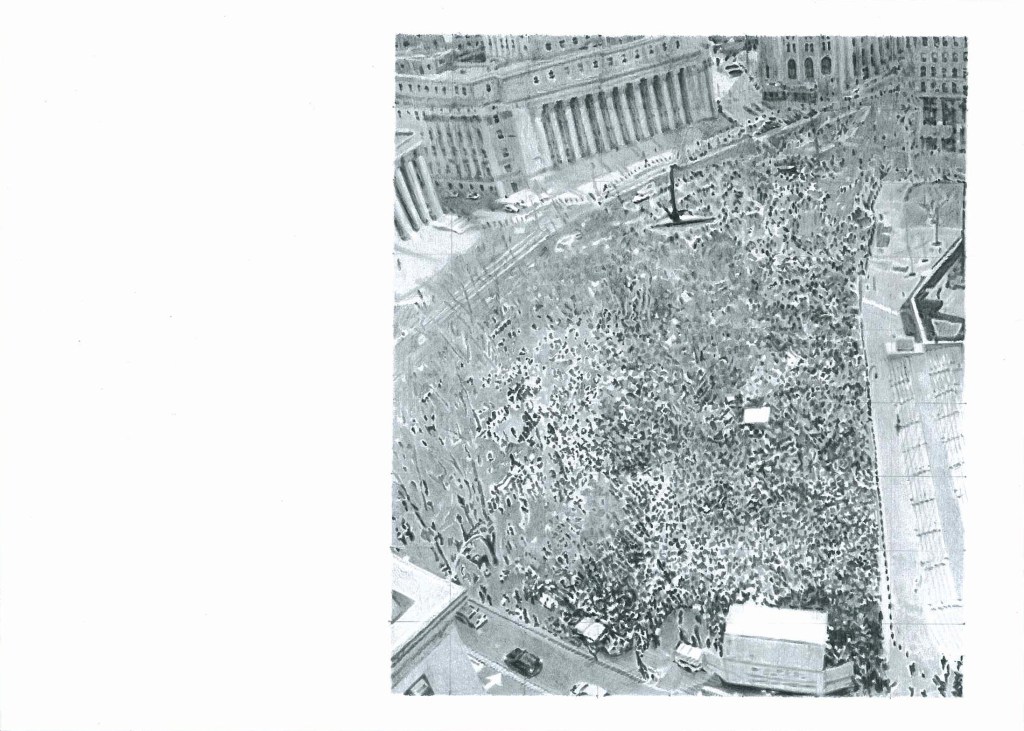
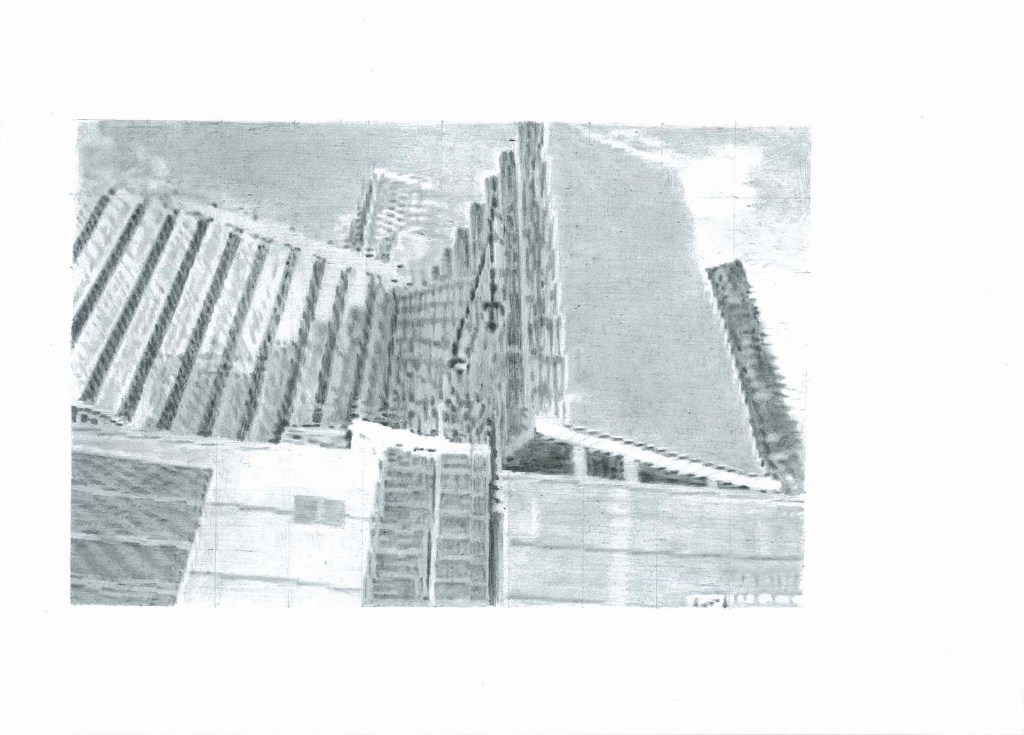
Reverberation (2012) Pencil on paper 21.0 x 29.7cm each. Two drawings made from a still image taken from Ernie Gehr’s film Reverberation (1969)
‘Reverberation’ by Ernie Gehr (1969). ‘Filmed at and around the World Trade Center’s construction site, Gehr’s mysterious film follows a nameless young couple (Canadian actress Margaret Lamarre and experimental filmmaker Andrew Noren) as they drift either in or out of love’. (Ernie Gehr’s Marvelous Cinema Harvard Film Archive 2008)
Exhibition:
Kompas (2012) Sculpture Court, Edinburgh College of Art/University of Edinburgh.
As a city seeks to direct and contain movement on many specific levels, of flow, of movement, of behaviour, so it itself is shaped and contained by forces that we cannot readily see: of politics, of ideology, of aspiration. Therefore a city remains as much a product of the unseen, a visible projection in time and space of something that remains beyond, as something actual, concrete, here. The forces conjured by Naldi/Kirkup in CROSS-WINDS, are Aeolian ones – the winds, linked irrevocably with music though a mode of Greek church music taking the name and the eponymous Harp. The city is located, shifted so as to block and deny the access and effect of winds. The need to exclude has shaped the city plan. Aeolus here can represent an entire pantheon: some named, some still nameless, some approved and some abjured, the acceptance or exclusion of their intentions and arguments, shape and form the city. The music that radiates through the airwaves here is from narratives of femininity, voices and presences historically not given space in the authorised discourses of the city.
Richard Grayson, Director, EAF
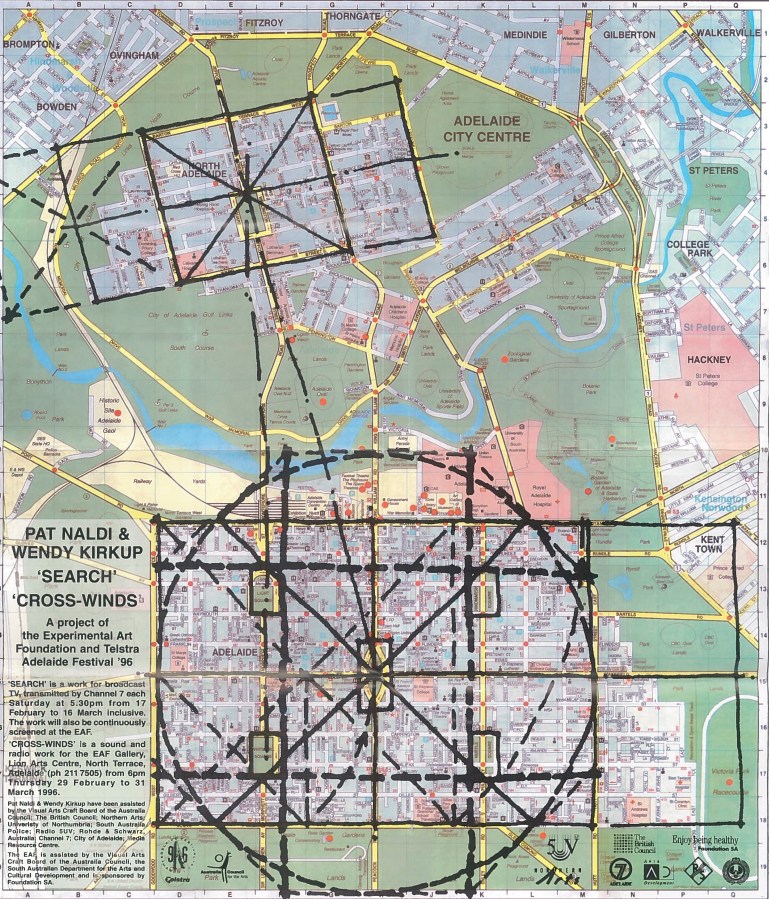
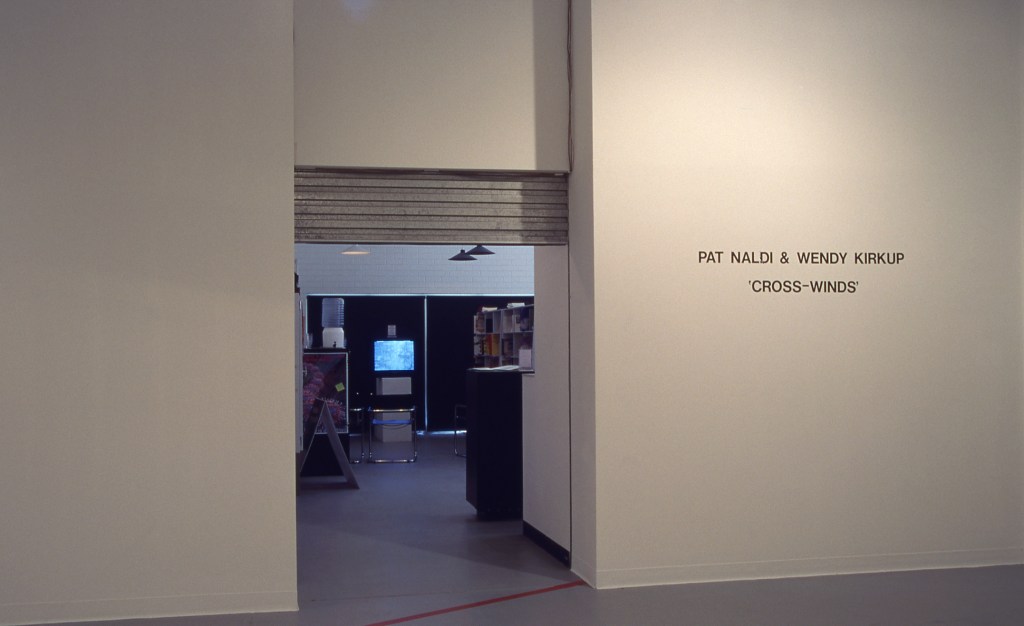
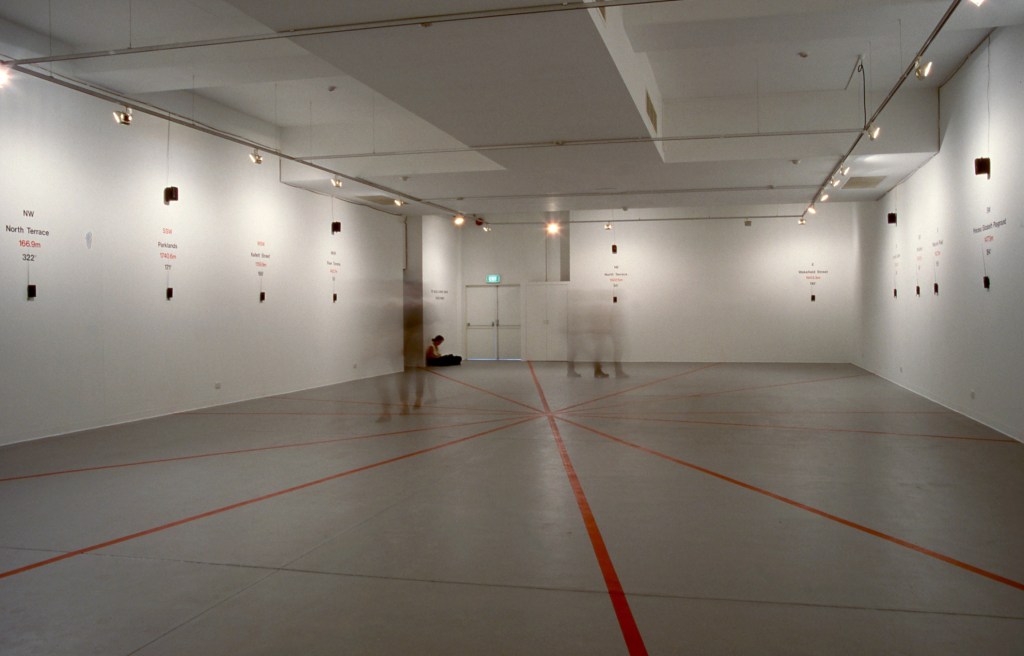
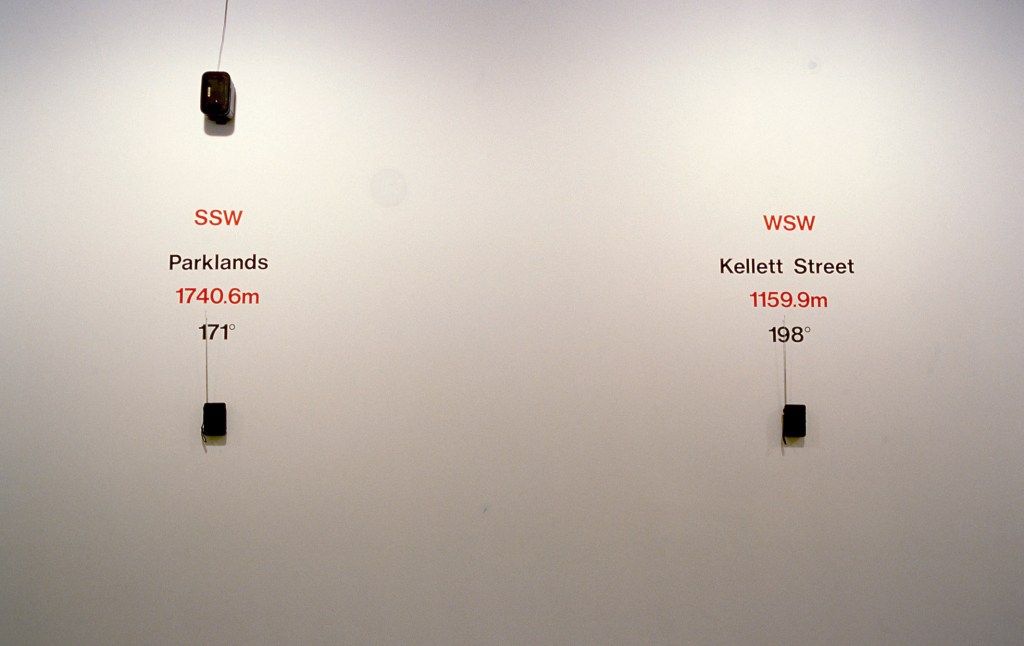
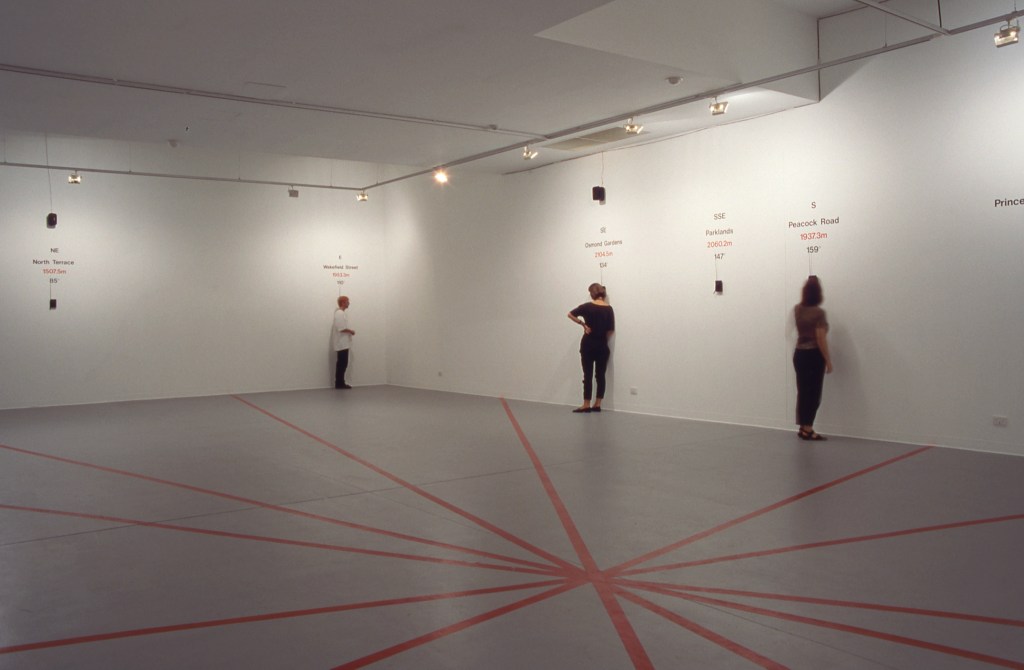
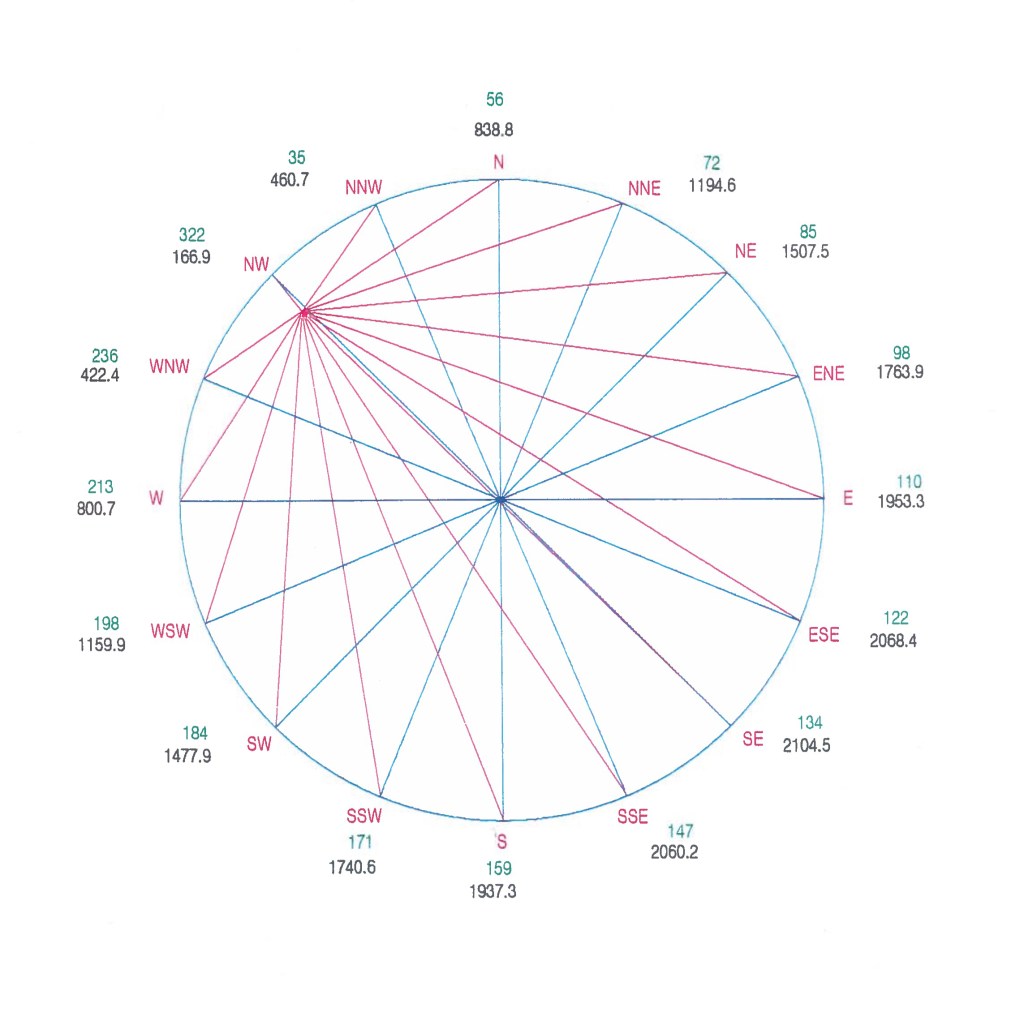
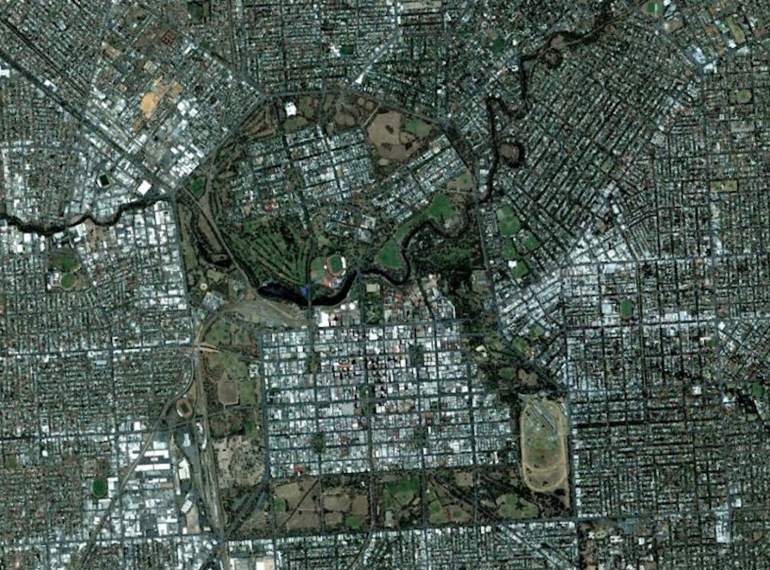
Cross-Winds (1996)was based on research into the Adelaide city plan which itself is derived from Cataneo’s Renaissance interpretive design of the Vitruvian city plan.
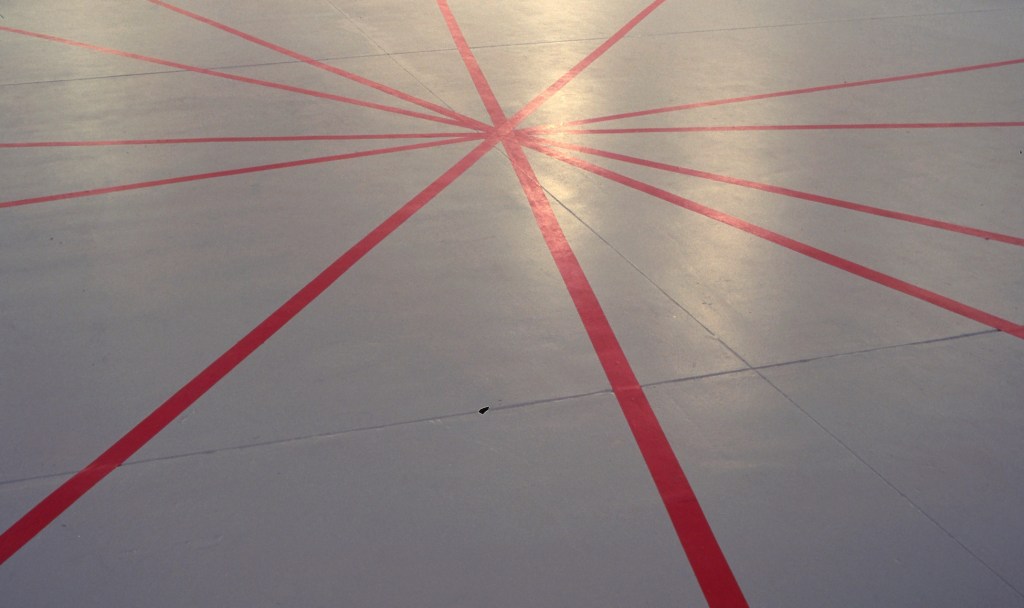
The colonial model of the city’s grid is orientated according to the ‘wind rose’ which underlies it, a diagram which reflects the direction winds blow from the cardinal points of the compass, and used in city planning to inform street orientation to avoid the direction of the strongest, most disruptive winds. The Vitruvian city plan, founded on an eight part wind rose, also reflects its basis in the proportional symmetry of the classical male ideal body.
Within the Experimental Art Foundation 16 radio receivers were placed on the walls around the gallery indicating the positions of the wind rose within the city plan, and in relation to the position of the gallery itself. The receivers were tuned to a dedicated FM station airwave which continually broadcast female voices singing a selection of operatic arias. Within the gallery 8 dedicated speakers played a soundtrack of two recorded female voices humming single notes derived from these arias which blended and merged with the radio broadcasts throughout the space.
Made in collaboration with Pat Naldi.
Cross-Winds was a sound installation and FM radio-broadcast commissioned by The Experimental Art Foundation for the Adelaide Festival 1996.
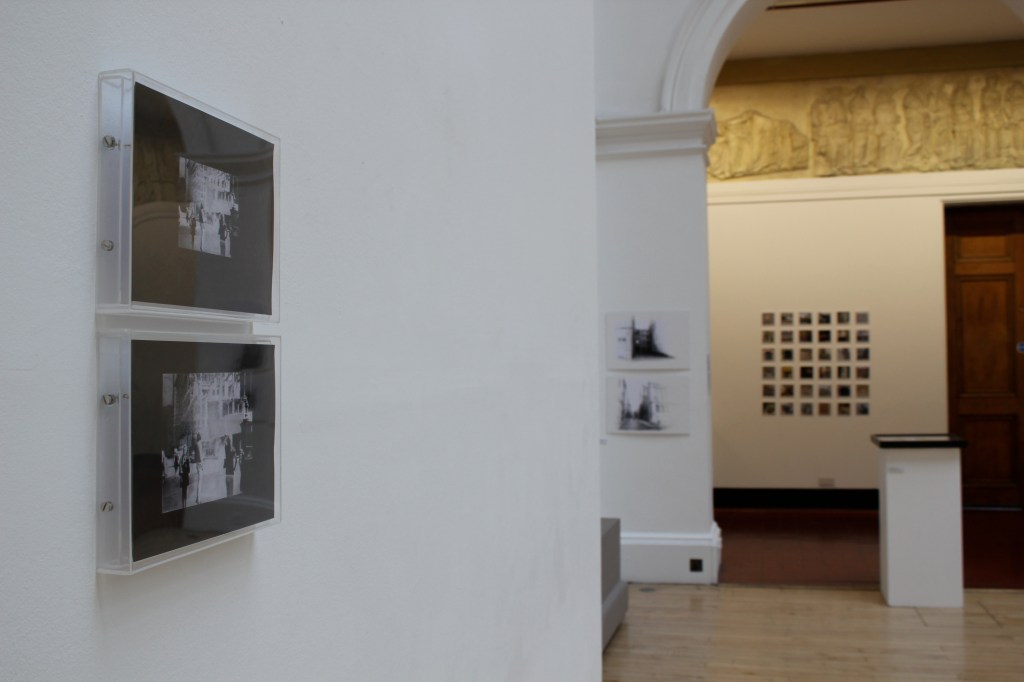
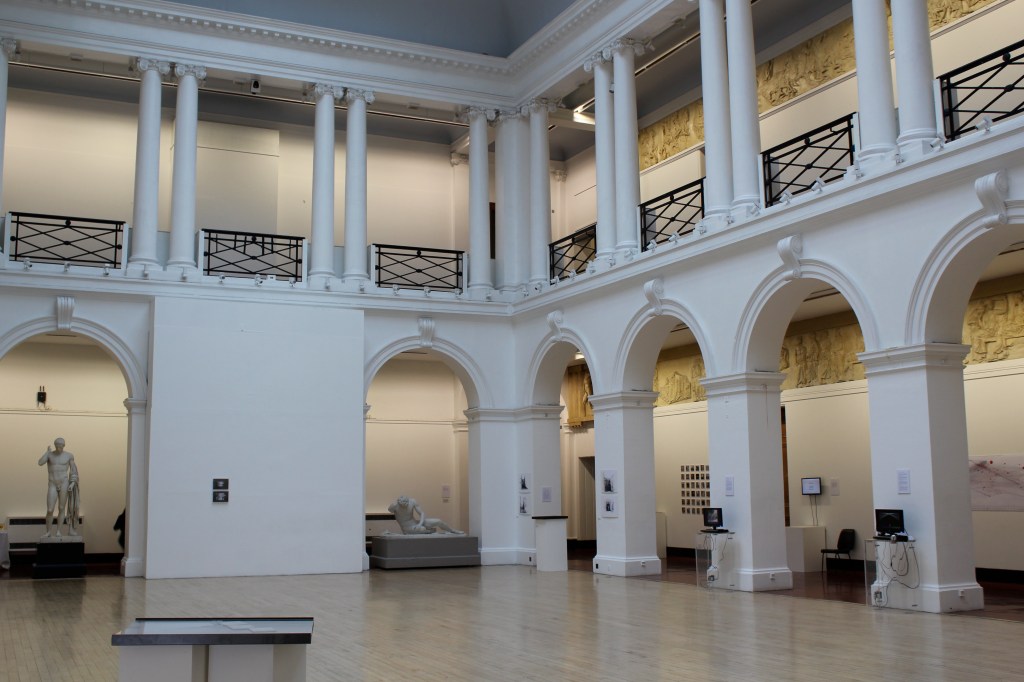
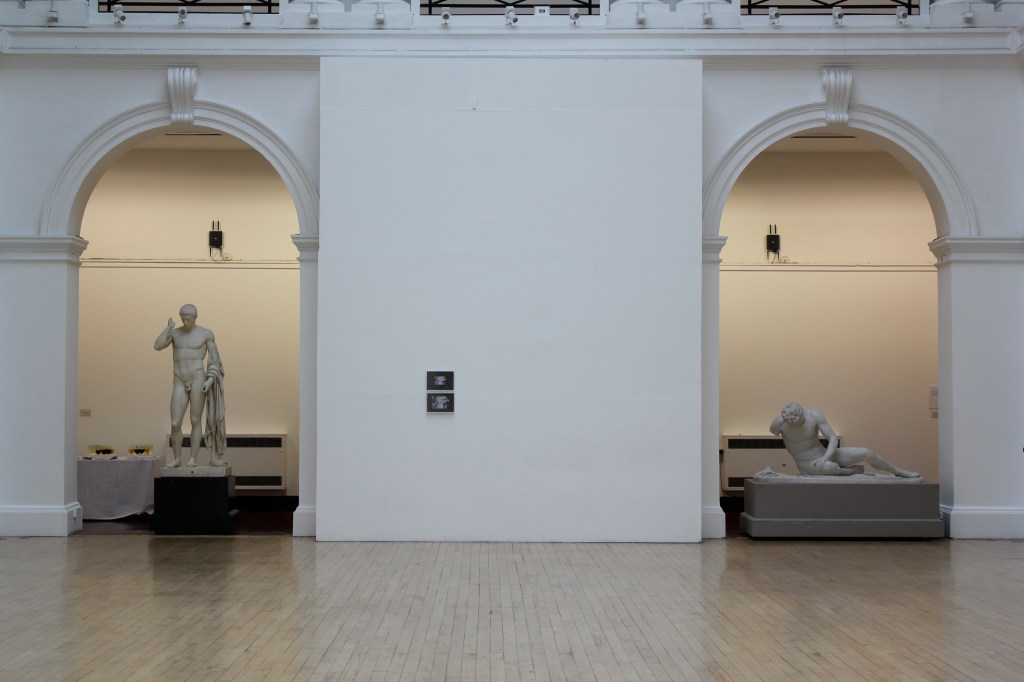
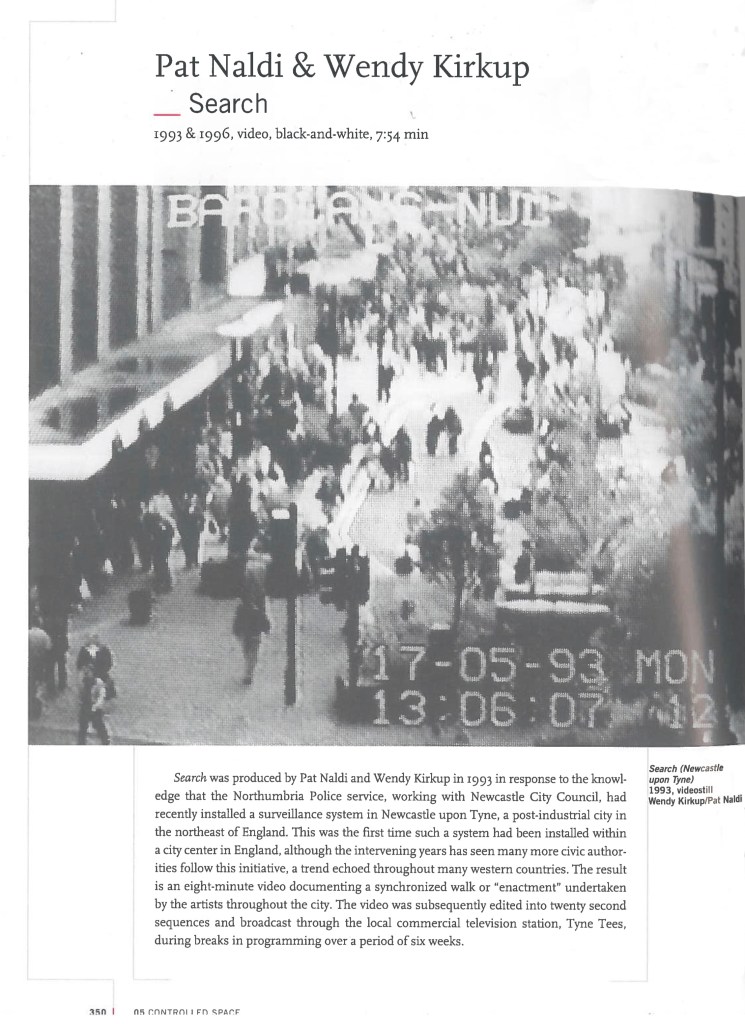
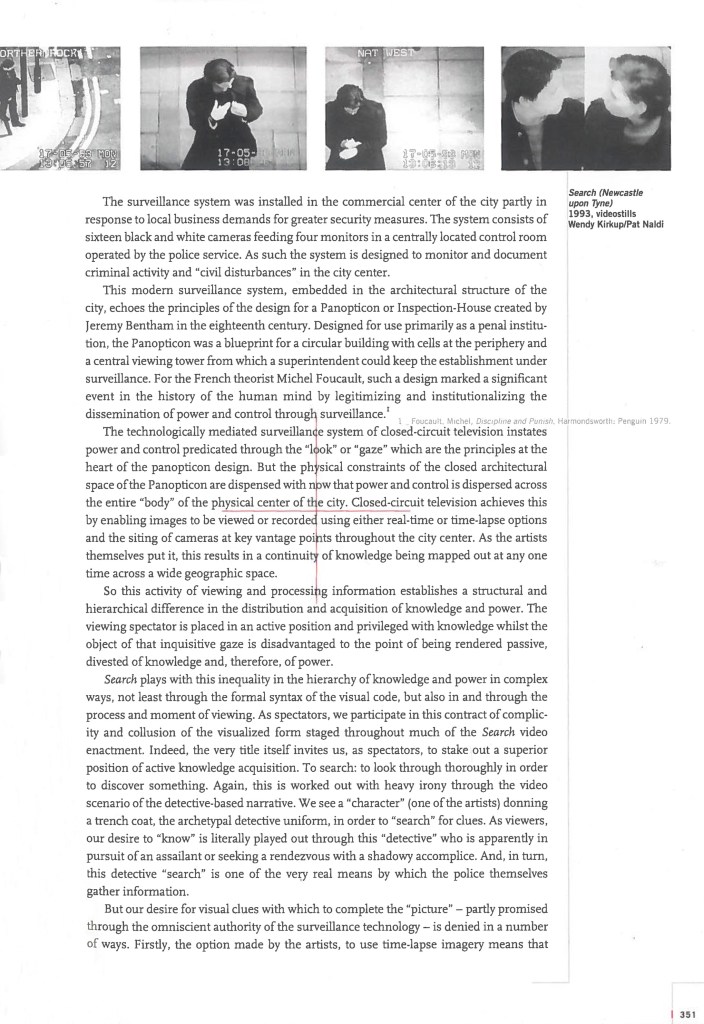
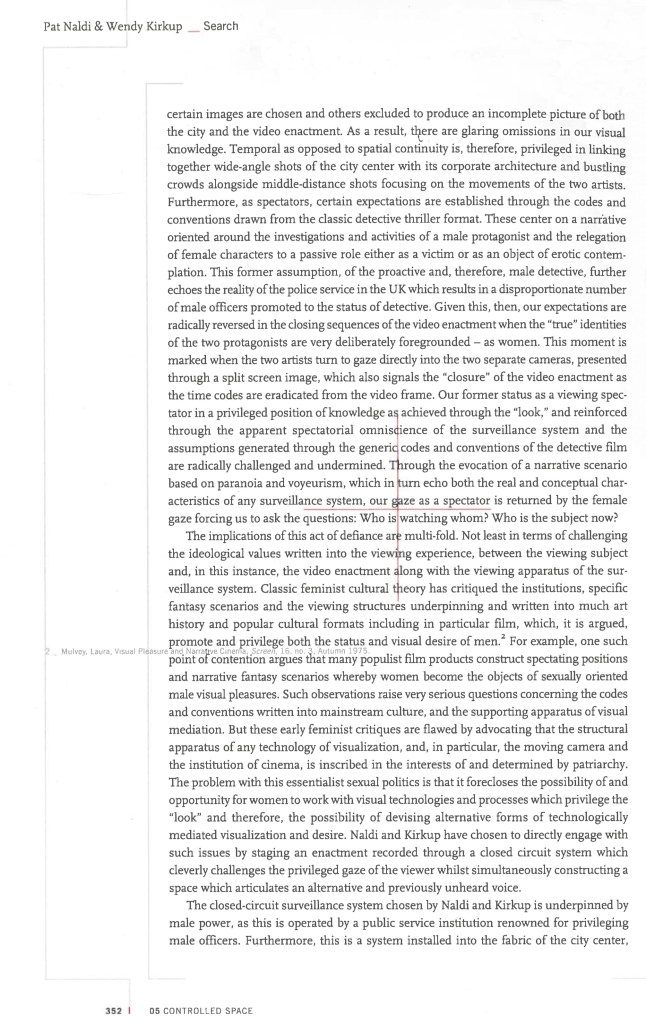
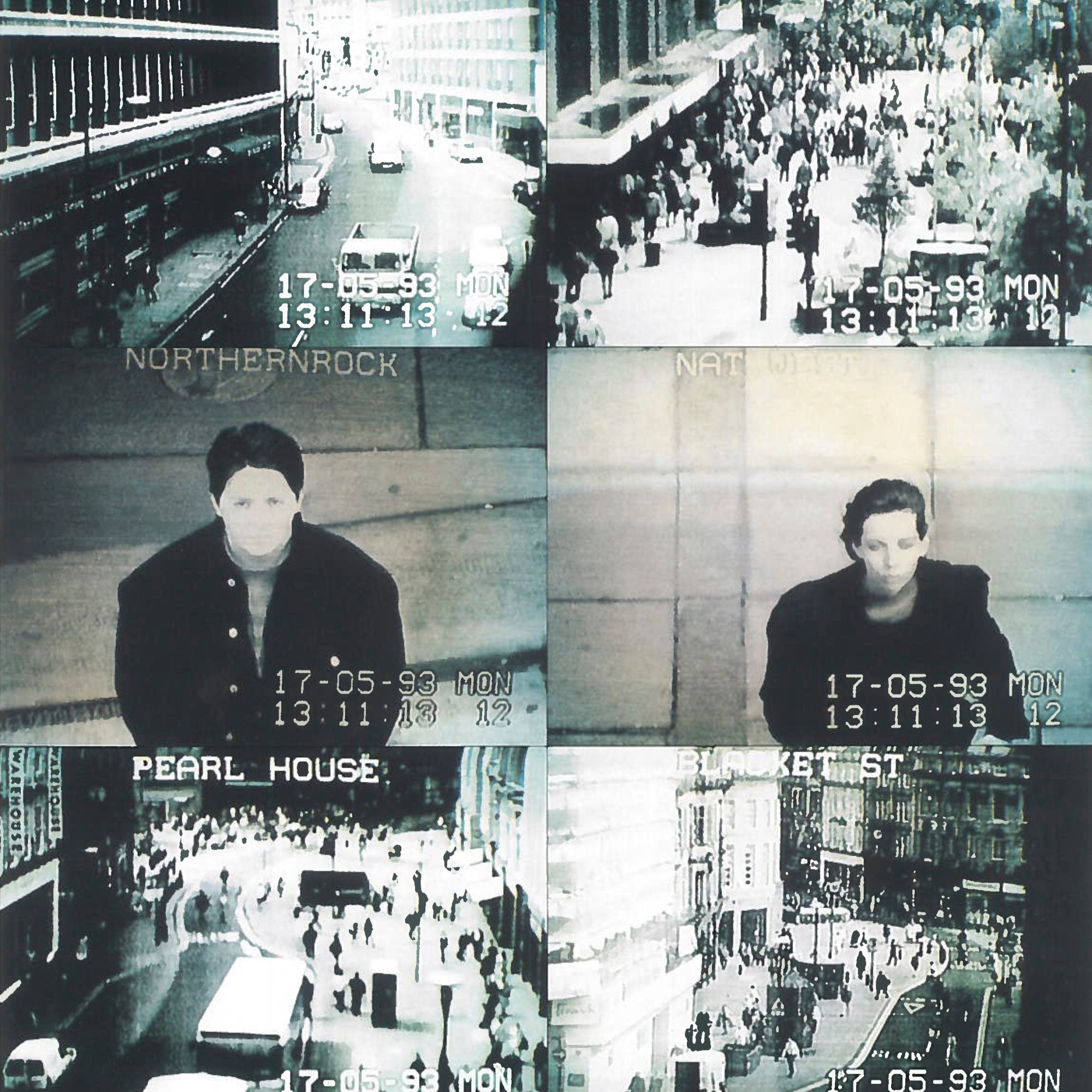
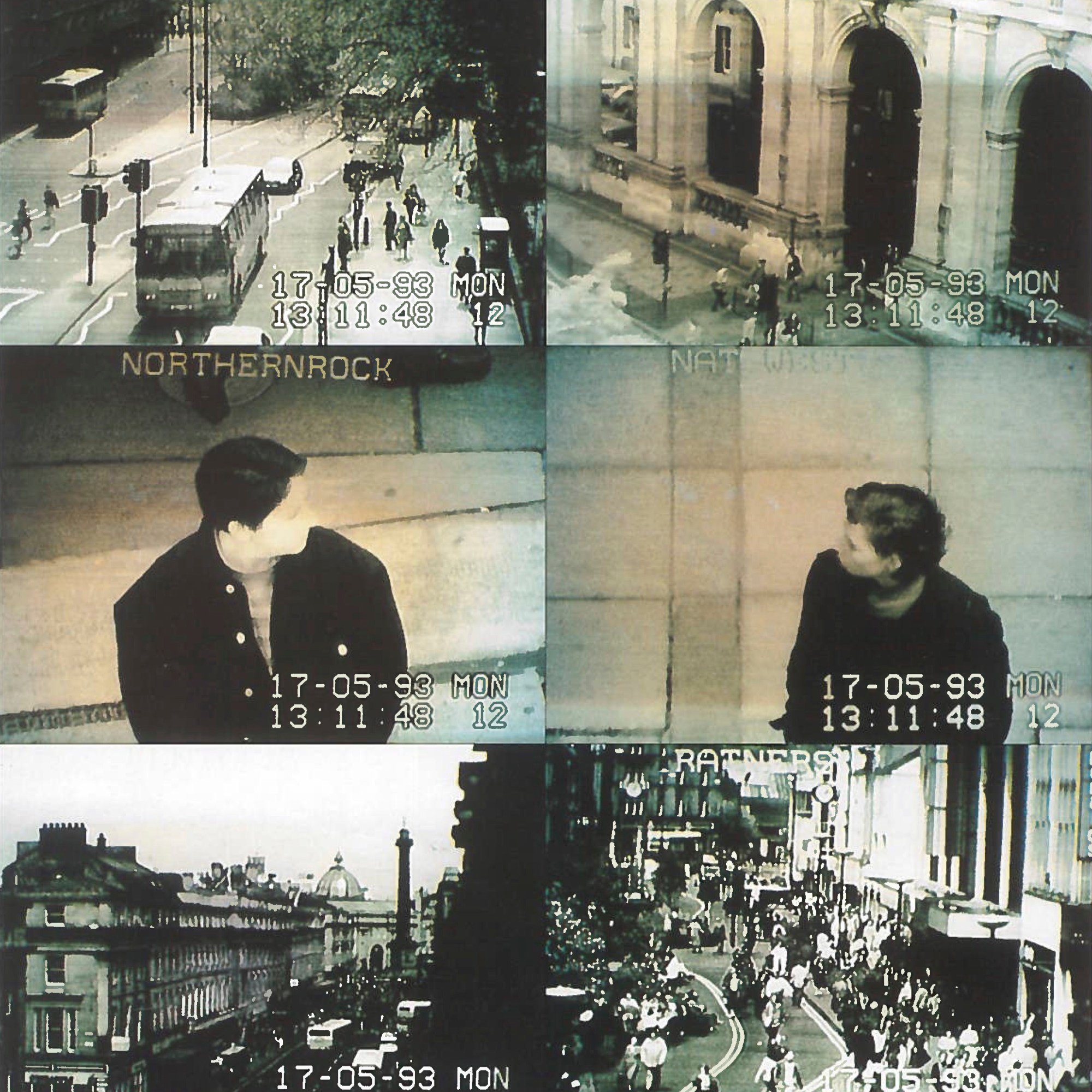
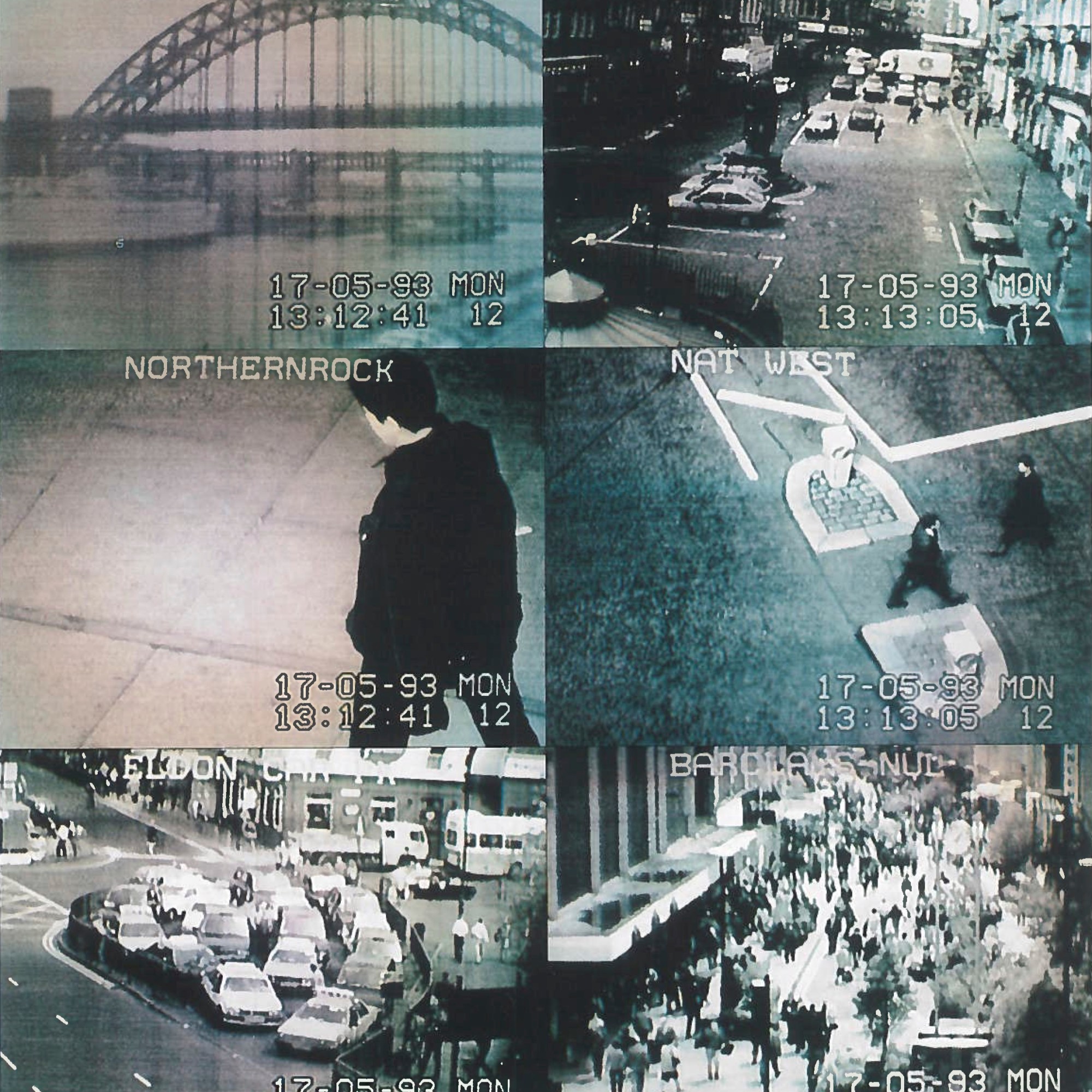
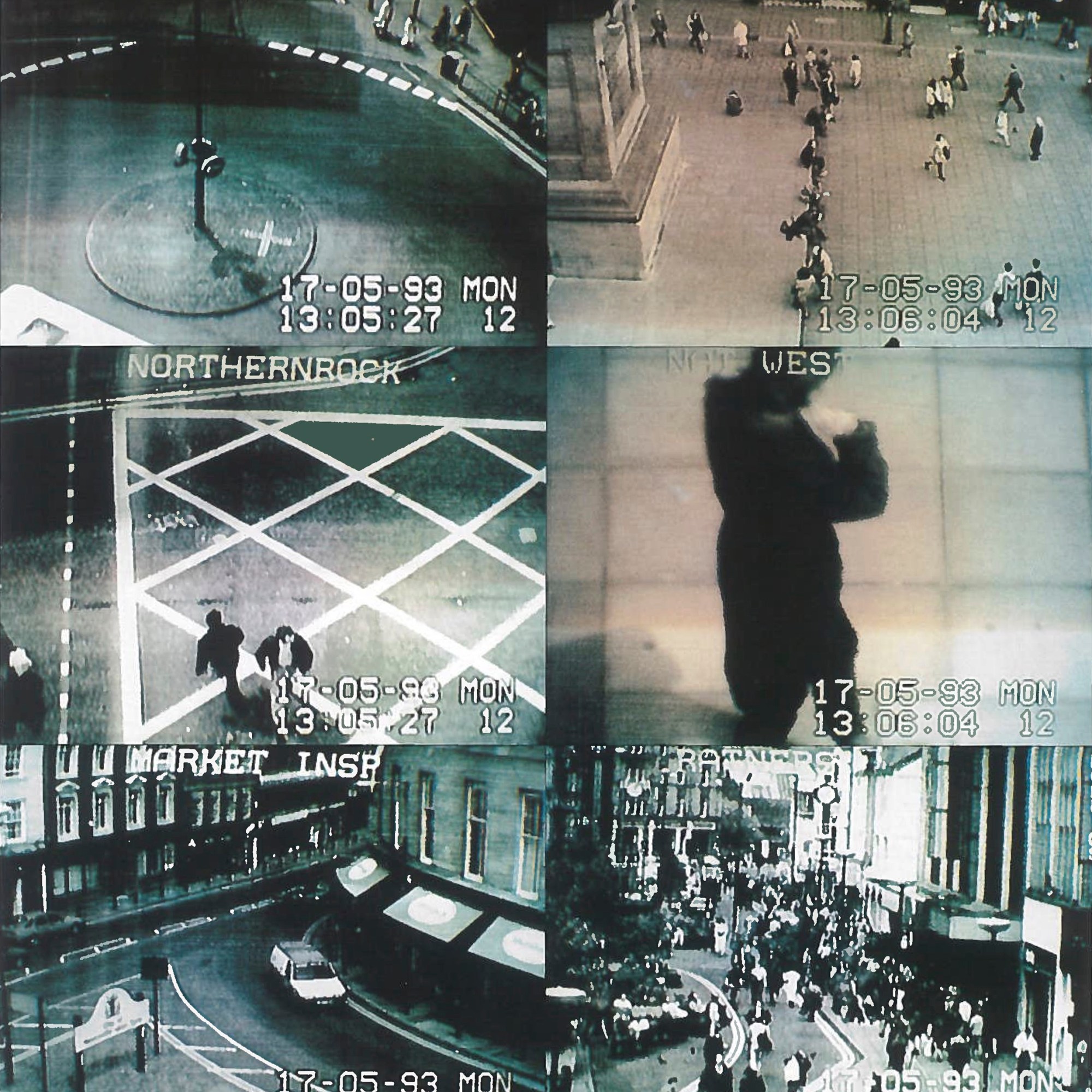
On Monday May 17th, 1993 at 1pm in Newcastle upon Tyne city centre a synchronised walk took place in two separate locations by Pat Naldi and Wendy Kirkup.
This event was recorded on the 16 camera surveillance system recently installed throughout the commercial centre of the city by Northumbria Police (Newcastle upon Tyne was the first city centre in the UK to install a Closed Circuit Television network). The system’s radial vision was capable of recording 16 separate views of the city in any one second.
The subsequent footage was edited into 20 ten-second sequences which were transmitted during commercial breaks on Tyne Tees Television between June 21 and July 4 as part of the 2nd Tyne International 1993.
Made in collaboration with Pat Naldi.
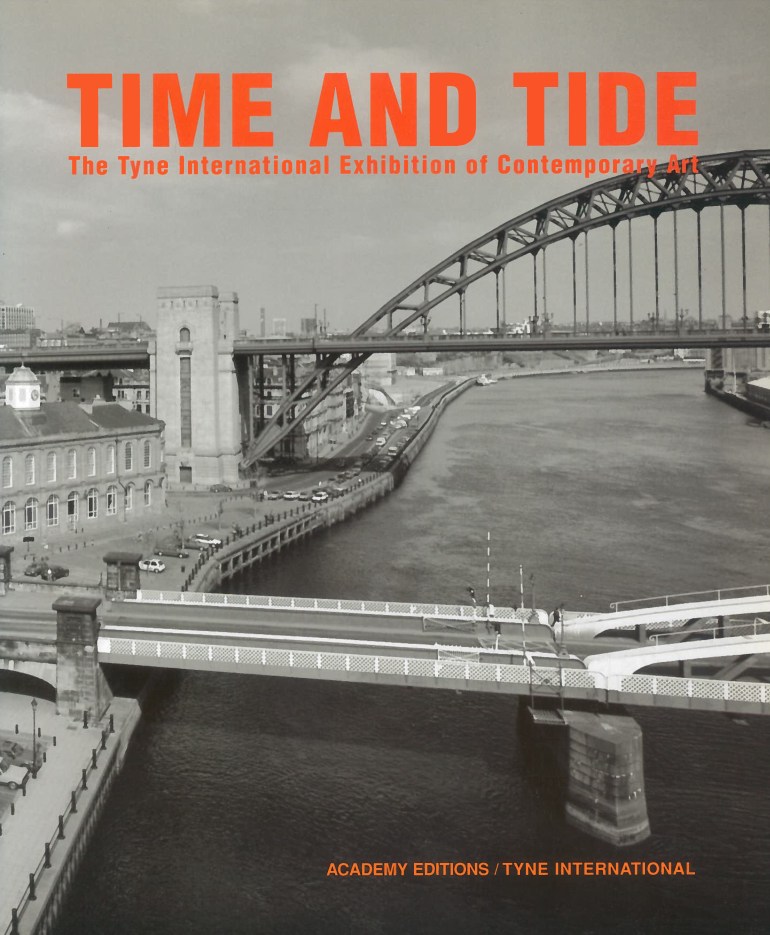
Search (Newcastle 1993) was commissioned by Locus+ and Tyne International for the exhibition Time and Tide, The Tyne International Exhibition of Contemporary Art, curated by Corinne Diserens.
SEARCH (Adelaide 1996) was commissioned by the Telstra International Adelaide Festival ‘96 & The Experimental Art Foundation, Australia. Curated by Richard Grayson.
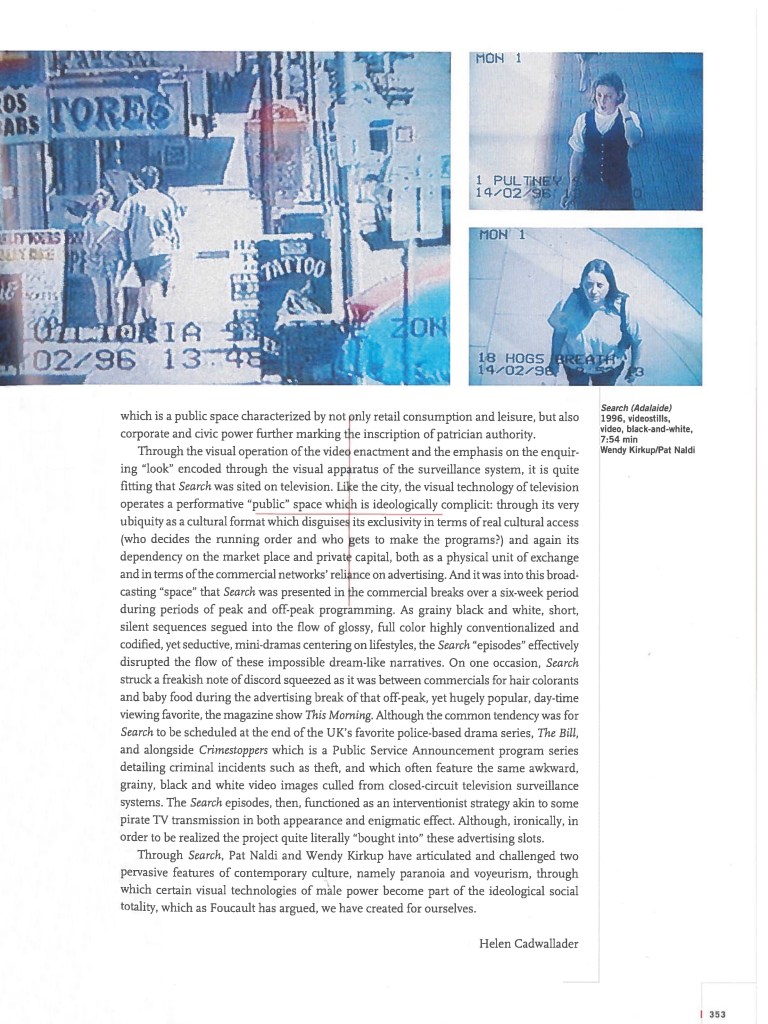
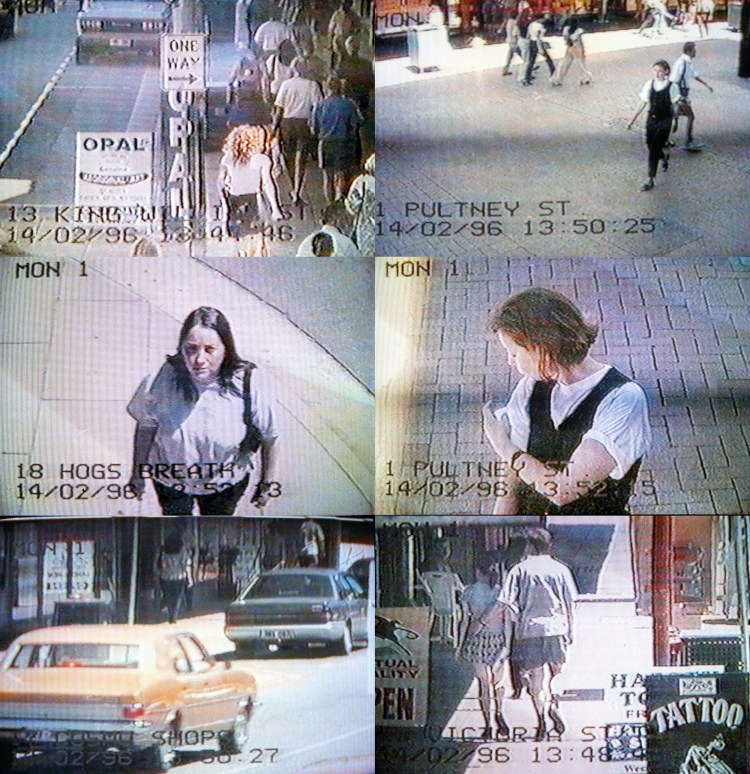
On Wednesday February 14th 1996 at 1.43pm in the city of Adelaide, a synchronised walk took place in two separate locations by Pat Naldi and Wendy Kirkup.
This event was recorded on the 15-camera surveillance system recently installed along Hindley Street and Rundle Mall in the city centre of Adelaide by the City of Adelaide Corporation.
The system recorded 15 separate views of these two streets in any one second, 24 hours a day. The subsequent footage was edited into fifteen ten second sequences which were transmitted on Channel 7, Australia, on Festival Television, between 17th February and 9th March 1996 as part of the Telstra International Adelaide Festival.
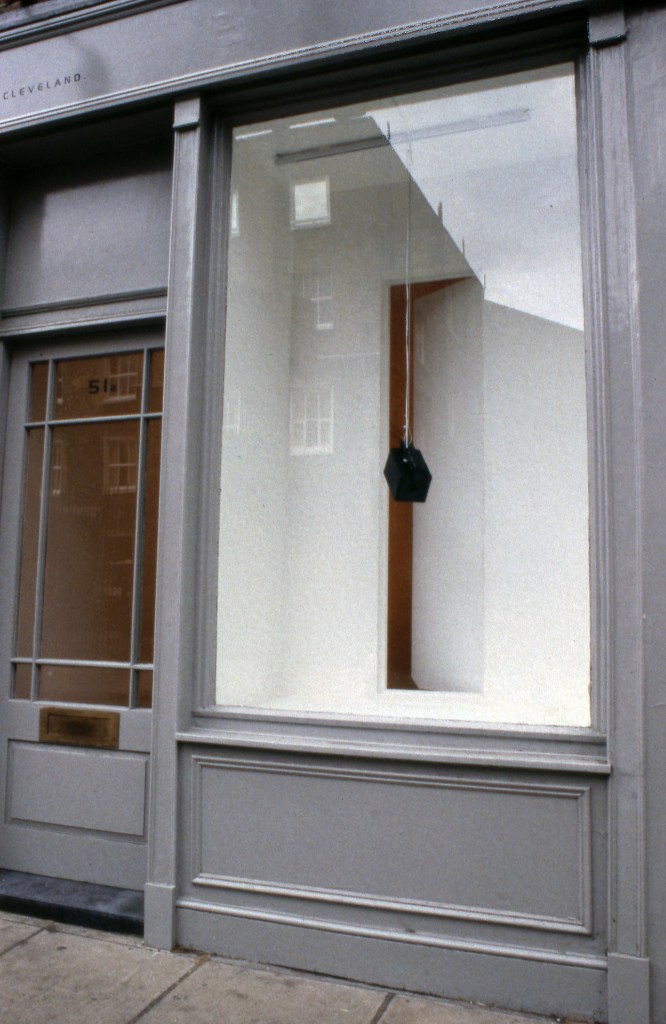
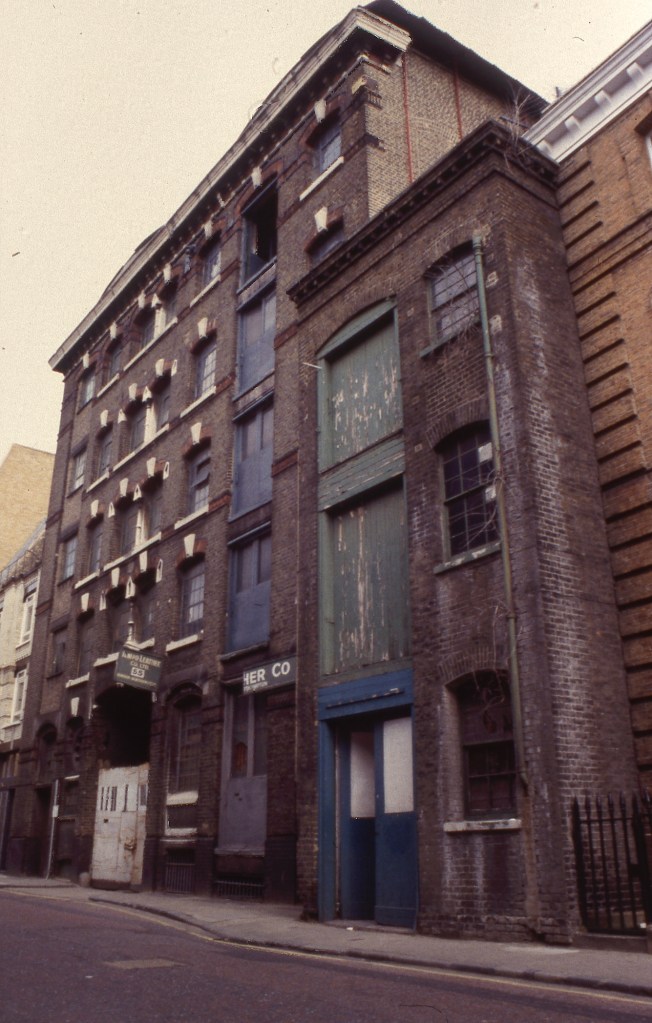
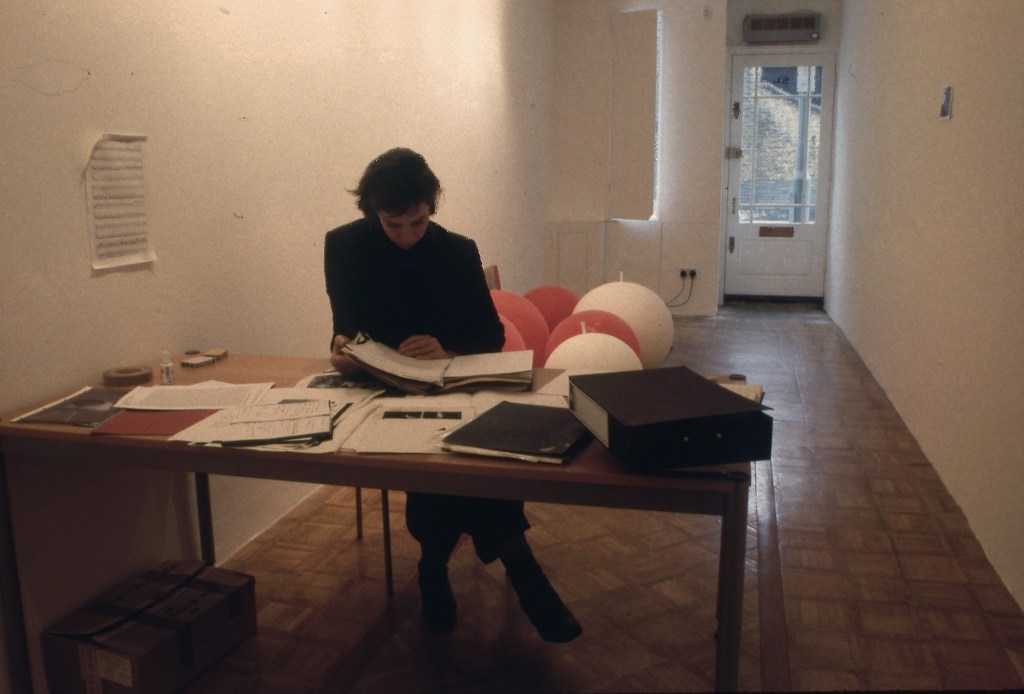
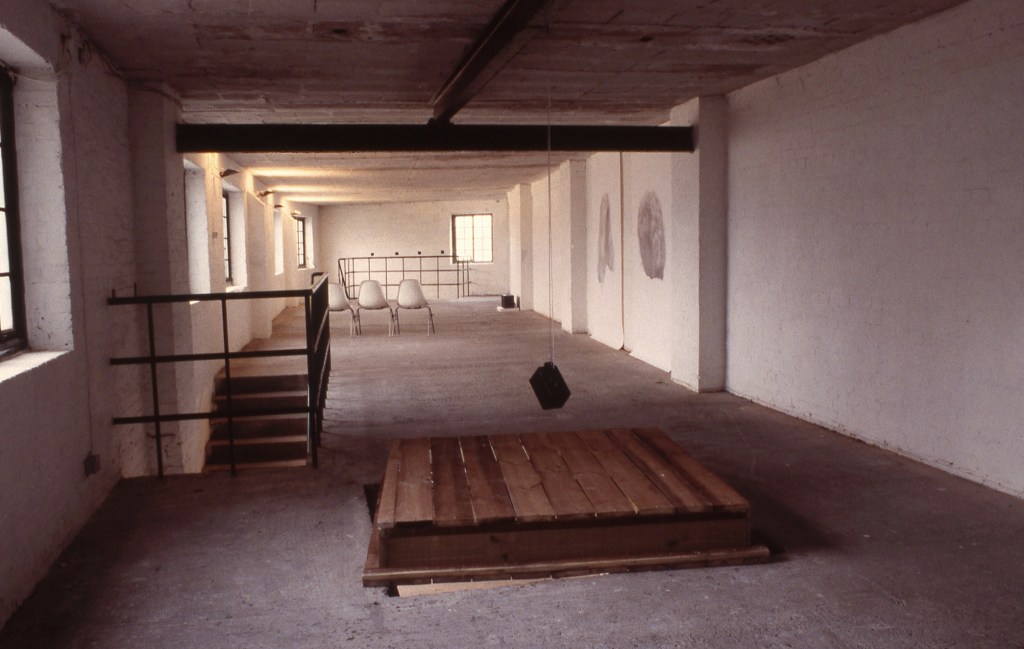
B.c.c. (1997), Cleveland Gallery and The Tannery Gallery, London.
3 times counting, repeat track 1 0100:00 to 0102 and forty something’ ’3 times vocal, repeat track 1 0100:0102 and fiftysomething, was a sound work made for B.c.c,, an exhibition held simultaneously between The Tannery Gallery and Cleveland Gallery London.
Three separate CD players installed on each floor of The Tannery Gallery played individual recordings of an unaccompanied soprano singing the parts of Amor, Orpheo and Eurydice from an aria included in the opera Orpheus and Eurydice. Each track gradually desynchronised with the others over the duration of the exhibition.
Within Cleveland Gallery a recording of the singer repeatedly counting the tempo of each part of the aria by memory were superimposed over each other, making audible the slippages between her objective and subjective sense of time.
Made in collaboration with Pat Naldi.
Exhibition:
1997
B.c.c., Cleveland Gallery and The Tannery, London. Curated by Andrew Renton.
Participating artists: Pierre Bismuth, Laurence Crane, Sarah Dobai, Peter Fillingham, Margarita Gluzberg, Pat Naldi and Wendy Kirkup, Simon Starling
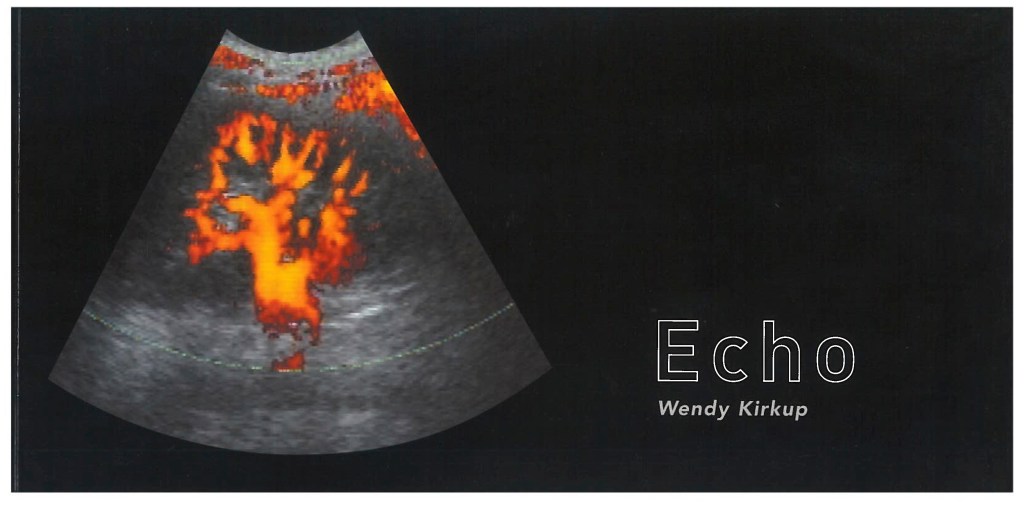
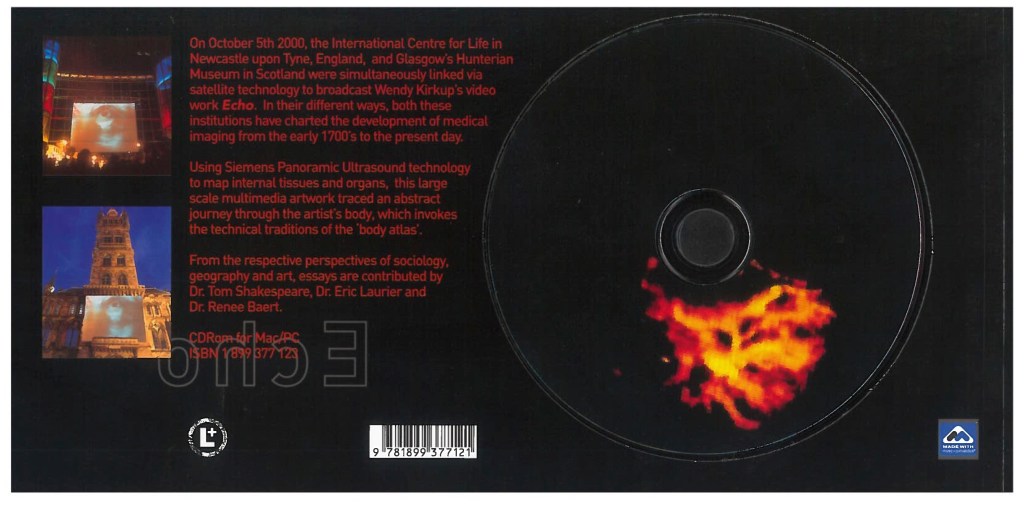
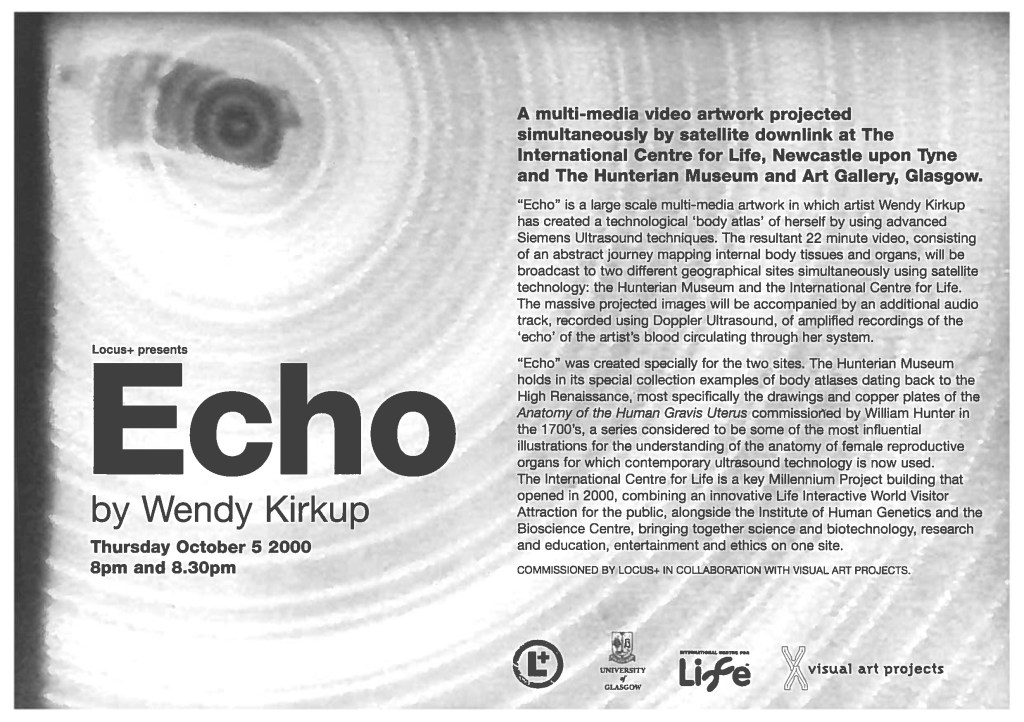
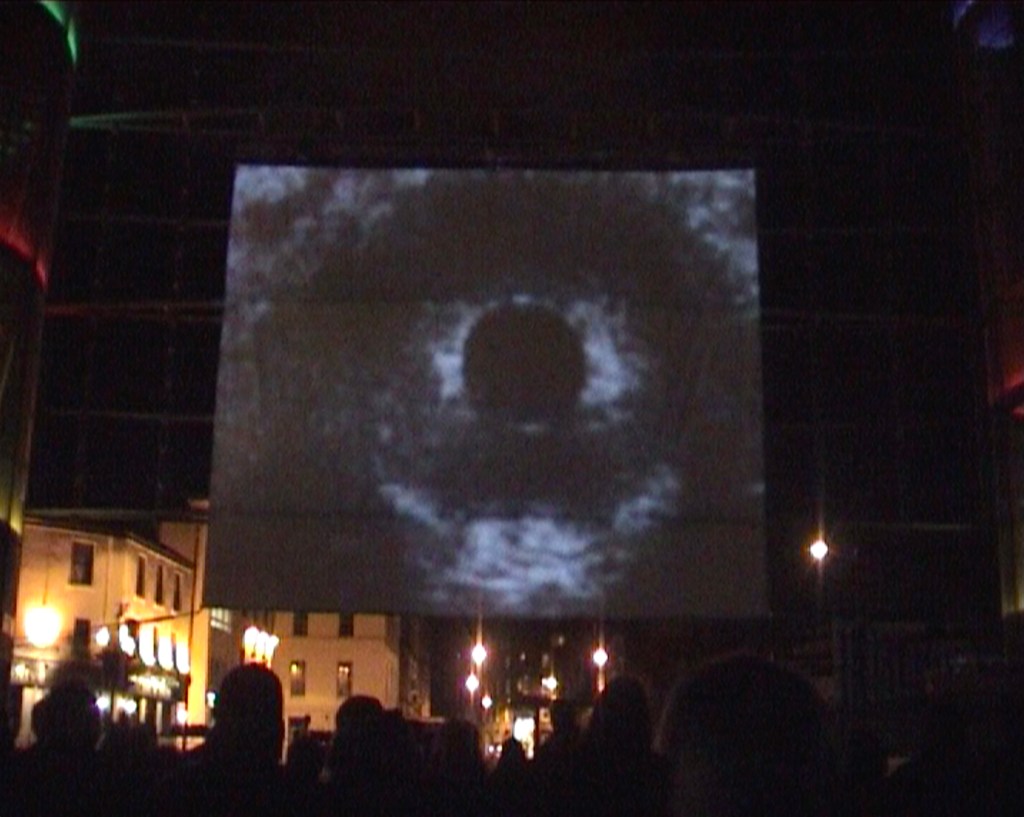
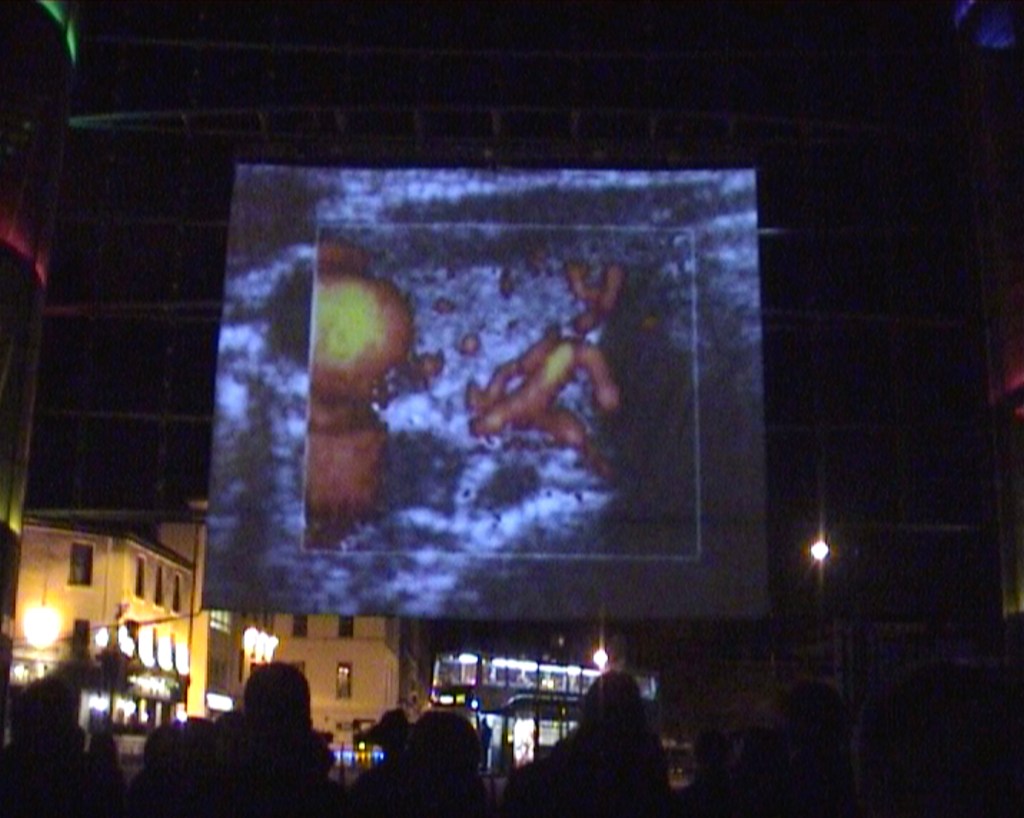
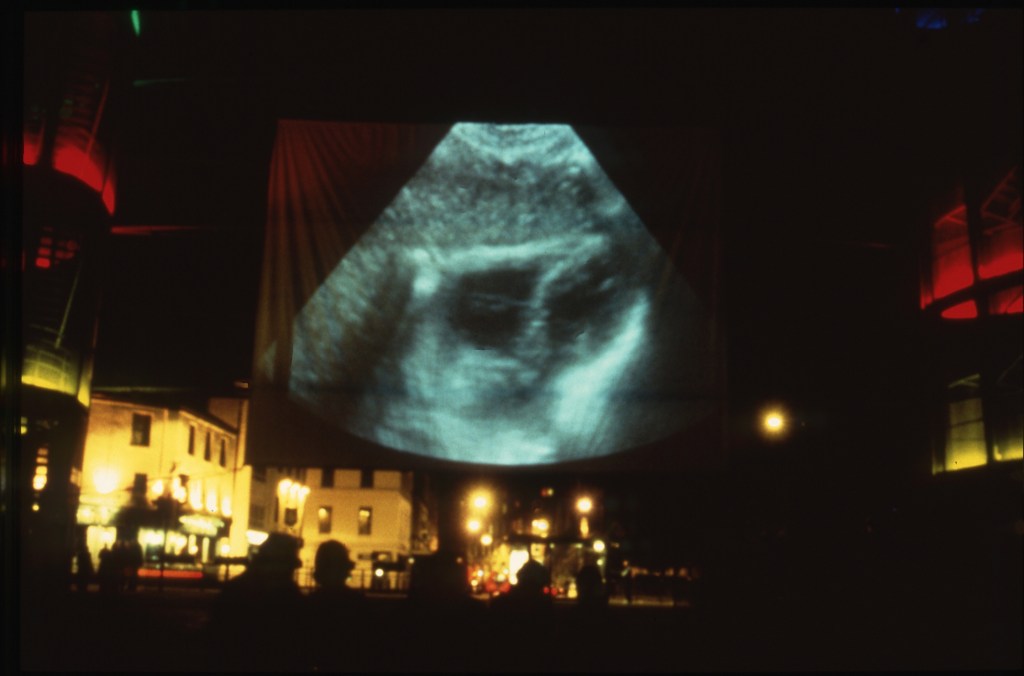
Echo (2000) was a multi-media video artwork projected simultaneously by satellite downlink at The International Centre for Life, Newcastle upon Tyne and The Hunterian Museum and Art Gallery, Glasgow.
From Locus+ publicity to accompany the screening:
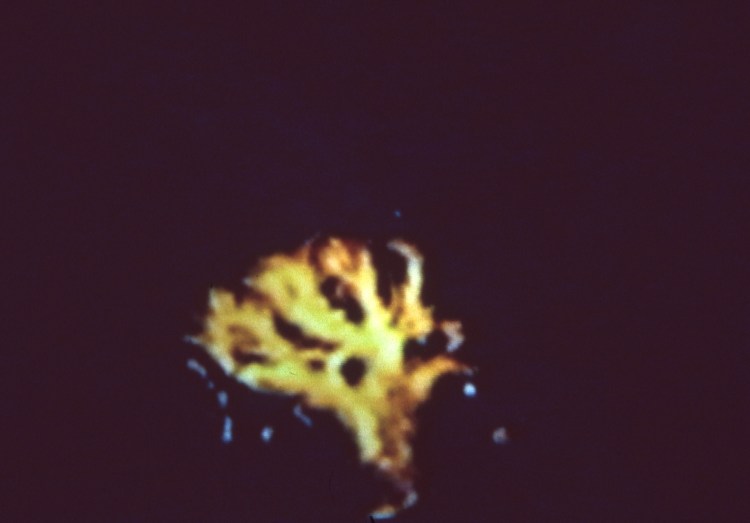
Echo is a large scale multi-media artwork in which artist Wendy Kirkup has created a technological ‘body atlas’ of herself by using advanced Siemens Ultrasound techniques. The resultant 22 minute video. consisting of an abstract journey mapping internal body tissues and organs, will be broadcast to two different geographical sites simultaneously using satellite technology: the Hunterian Museum and the International Centre for Life. the massive projected images will be accompanied by an additional audio track, recorded using Doppler Ultrasound, of amplified recordings of the ‘echo’ of the artist’s blood circulating through her system.
Echo was created specially for the two sites. The Hunterian Museum holds in its special collection examples of body atlases dating back to the High Renaissance, most specifically the drawings and copper plates of the Anatomy of the Human Gravid Uterus commissioned by William Hunter in the 1700s, a series considered to be some of the most influential illustrations for the understanding of the anatomy of female reproductive organs for which contemporary ultrasound technology is now used. The International Centre for Life is a key Millennium Project building that opened in 2000, combining an innovative Life Interactive World Visitor Attraction for the public, alongside the Institute of Human Genetics and the Bioscience Centre, bringing together science and biotechnology, research and education, entertainment and ethics on one site.
Screenings:
2000 Echo, The International Centre for Life, Newcastle upon Tyne and The Hunterian Museum and Art Gallery, Glasgow. 2001 Live Art at Site Gallery, Sheffield. Curated by Michelle Hirschhorn. 2013 Biomediations Festival of Electronic Arts and Video, Tranistio__MX05, Mexico, Invited Curator Sarah Cook.
Echo(2000) was commissioned by Locus+ in collaboration with Visual Arts Projects, Glasgow.
Publication with CD and essays by Dr.Eric Laurier, Dr.Tom Shakespeare and Dr Renee Baert.
Echo was supported by Locus+, University of Glasgow, International Centre for Life, Visual Art Projects and Northumbria University.
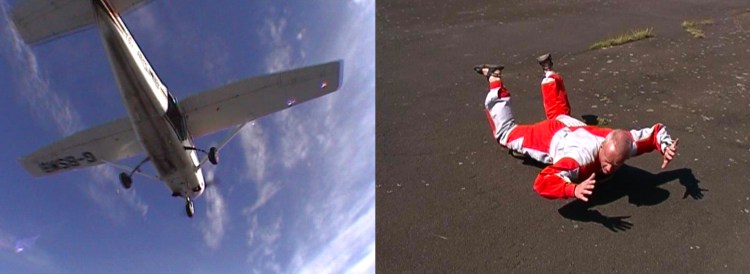
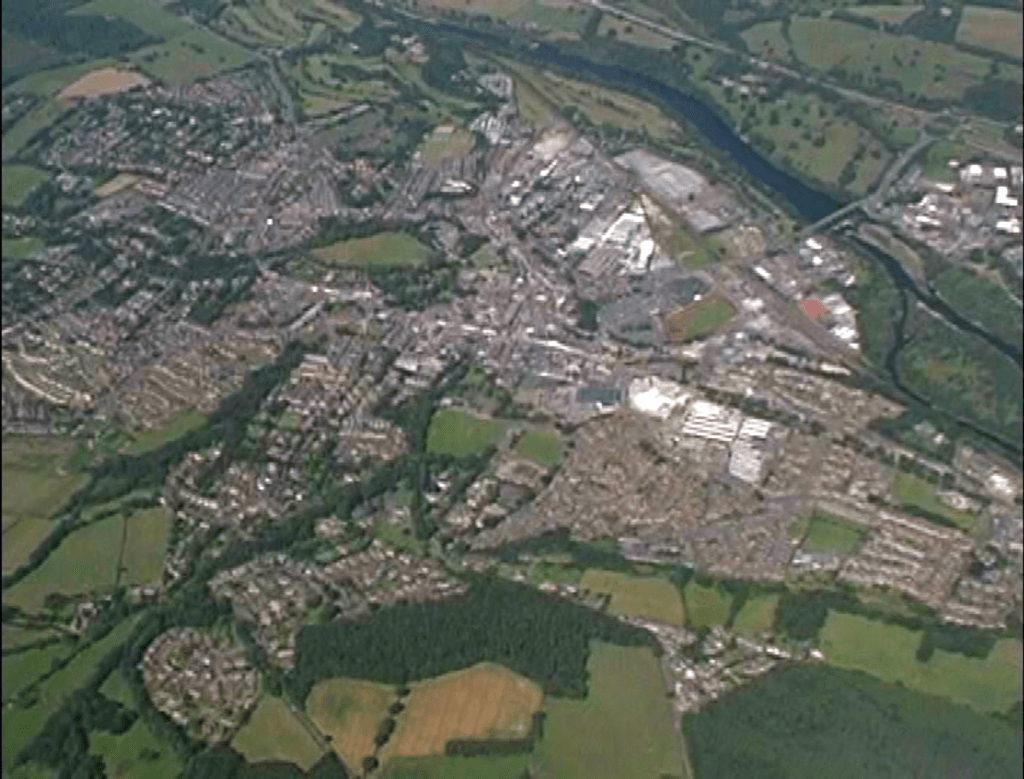
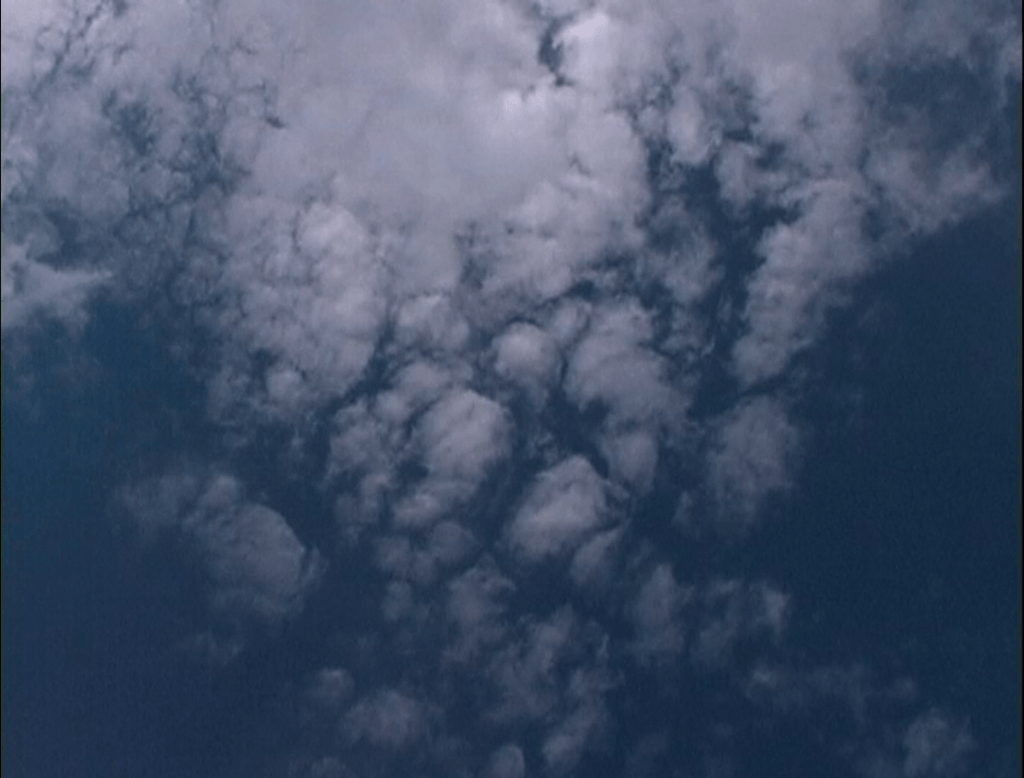
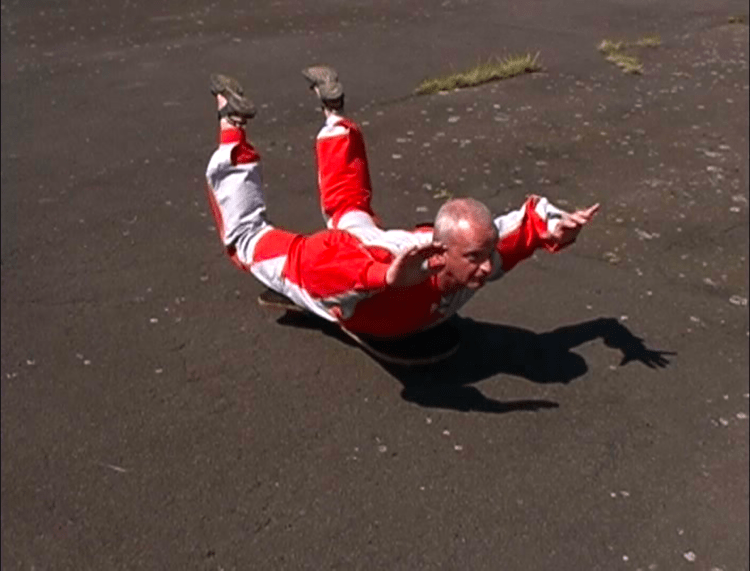
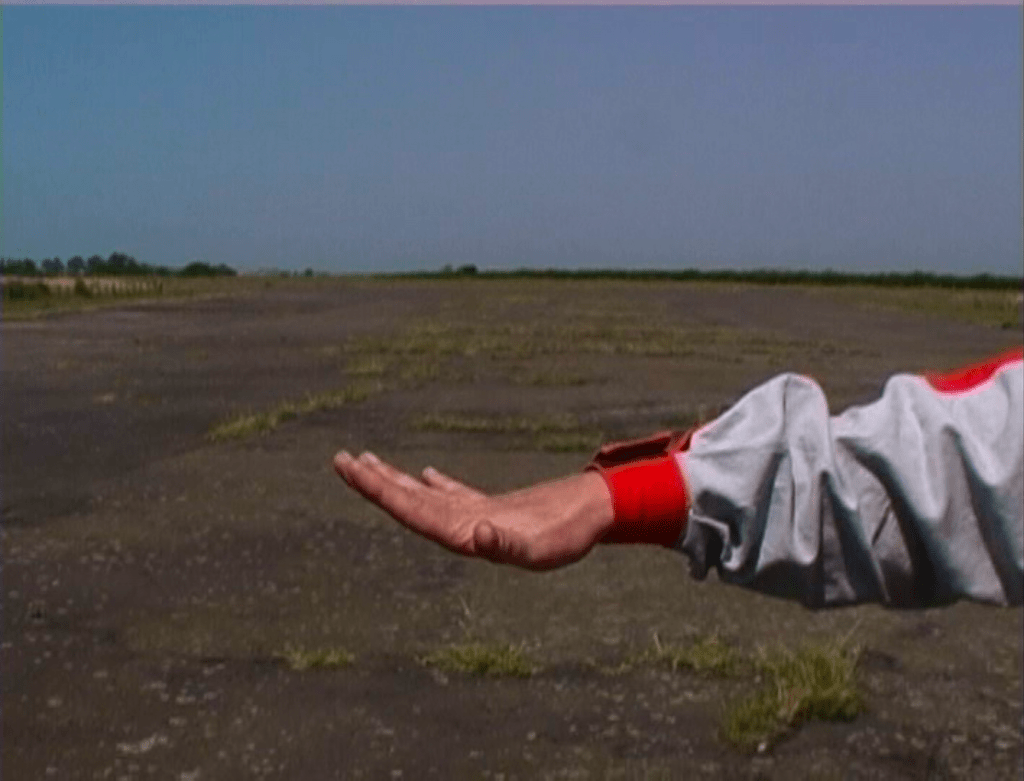
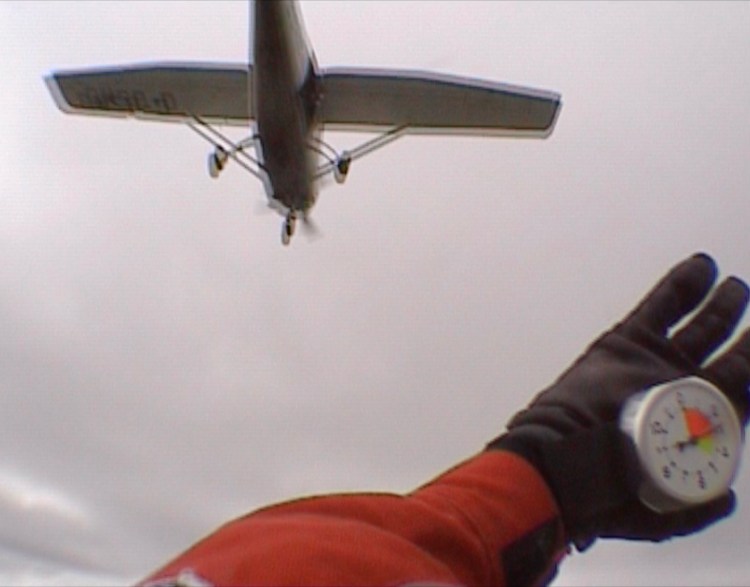
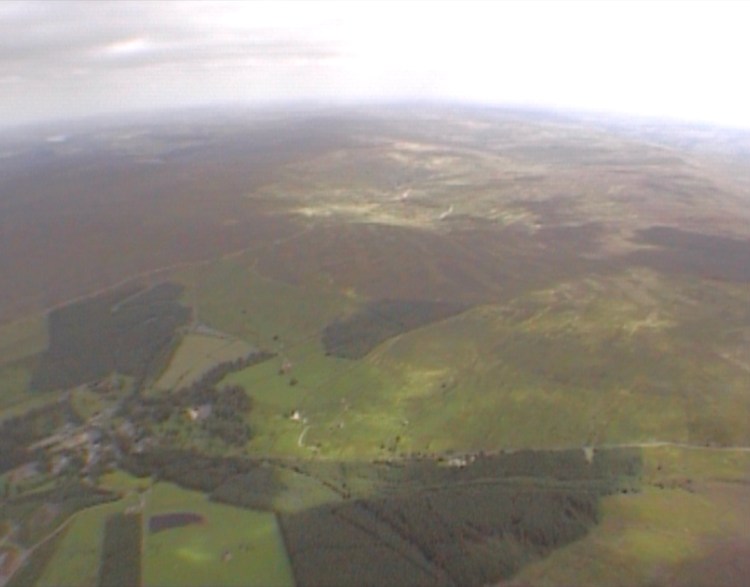
‘Chute (2004), was a live performance and video installation commissioned by Allenheads Contemporary Arts as part of their ScartLab residencies 2003-4.
In the skies above Allenheads Contemporary Arts a skydiver, connected to the gallery via live video link, became the vehicle for a cinematic ‘travelling shot’ which traversed the space between the abstracted aerial view of landscape to the lived space of the gallery below. Within the gallery, this live footage, alongside that taken from a small light aircraft, showed aerial views of the Tyne Valley. These images were intercut with those of a parachutist demonstrating the bodily positions necessary for safe skydiving.
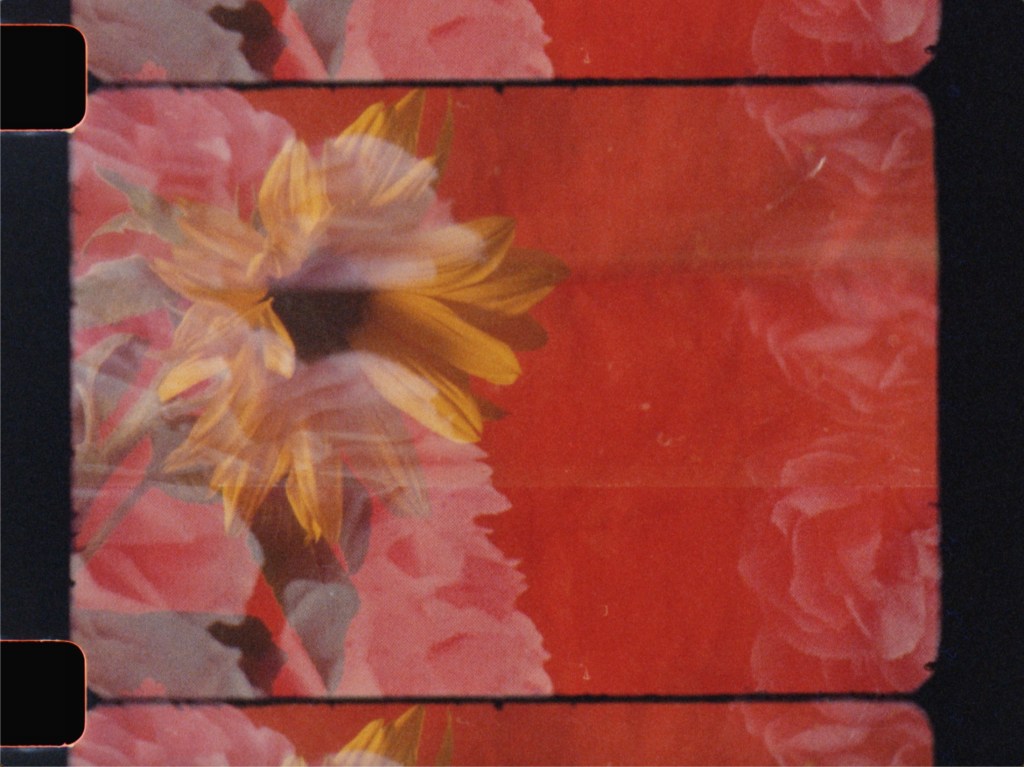
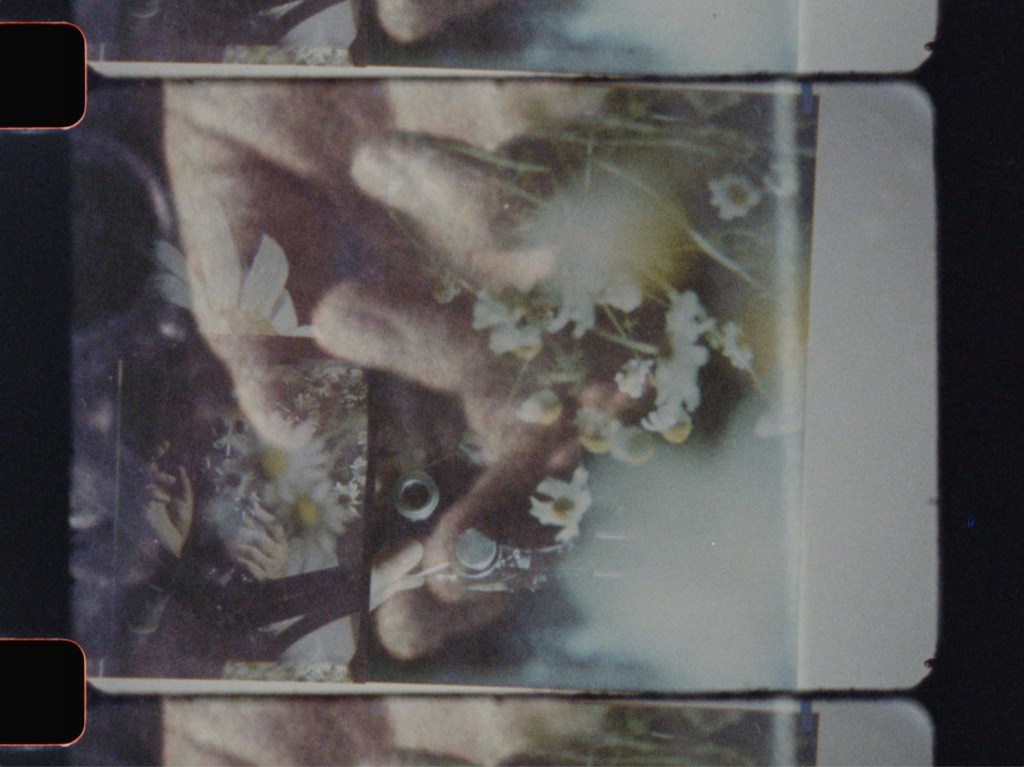
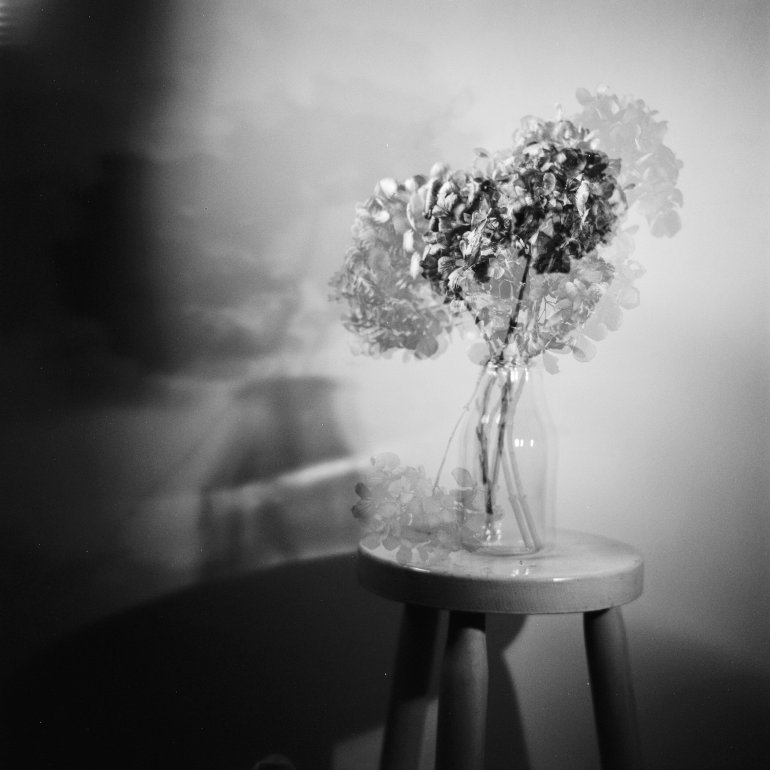
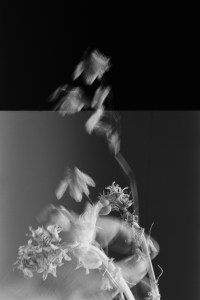
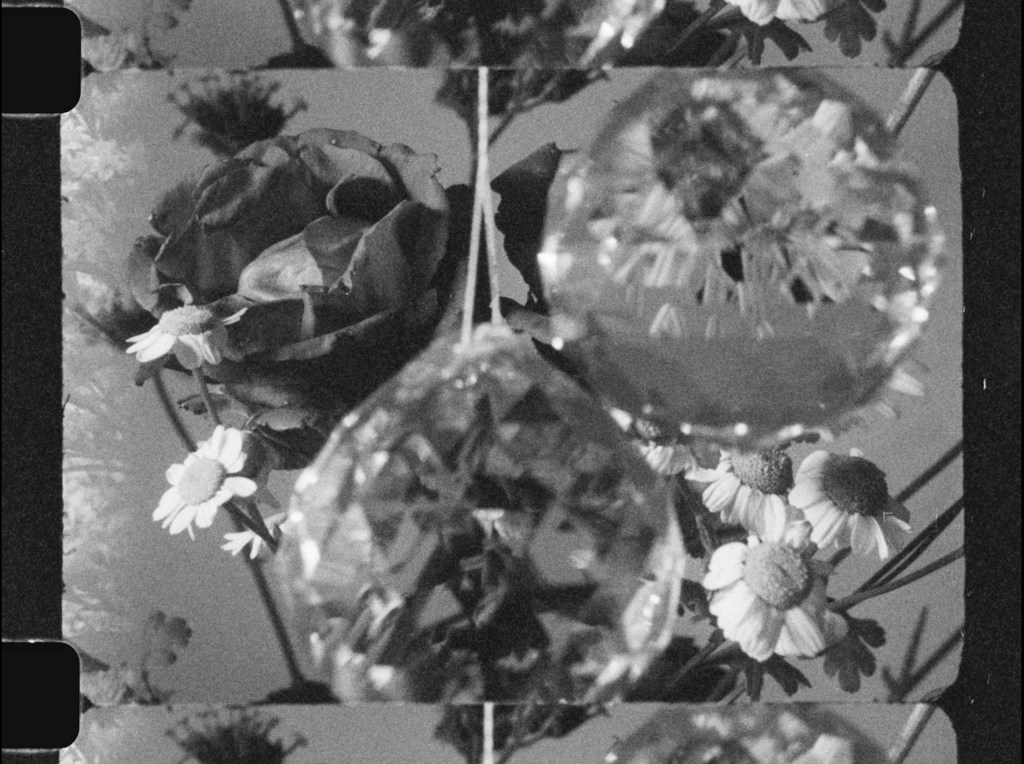
Bouquet (New Hybrids, Colour), Colour 16mm film, 3 minutes, silent, 2020. In collaboration with Alex Hetherington as part of his larger project Talking, Counting, Blinking, Noting: 16mm film as a collaborative action, 2019-2020. A project made together/apart during lockdown 2020. The 16mm film was passed through the camera first in Glasgow and then a second time in Stirling, registering dislocations in time and space within a single, collaborative, hybrid image.
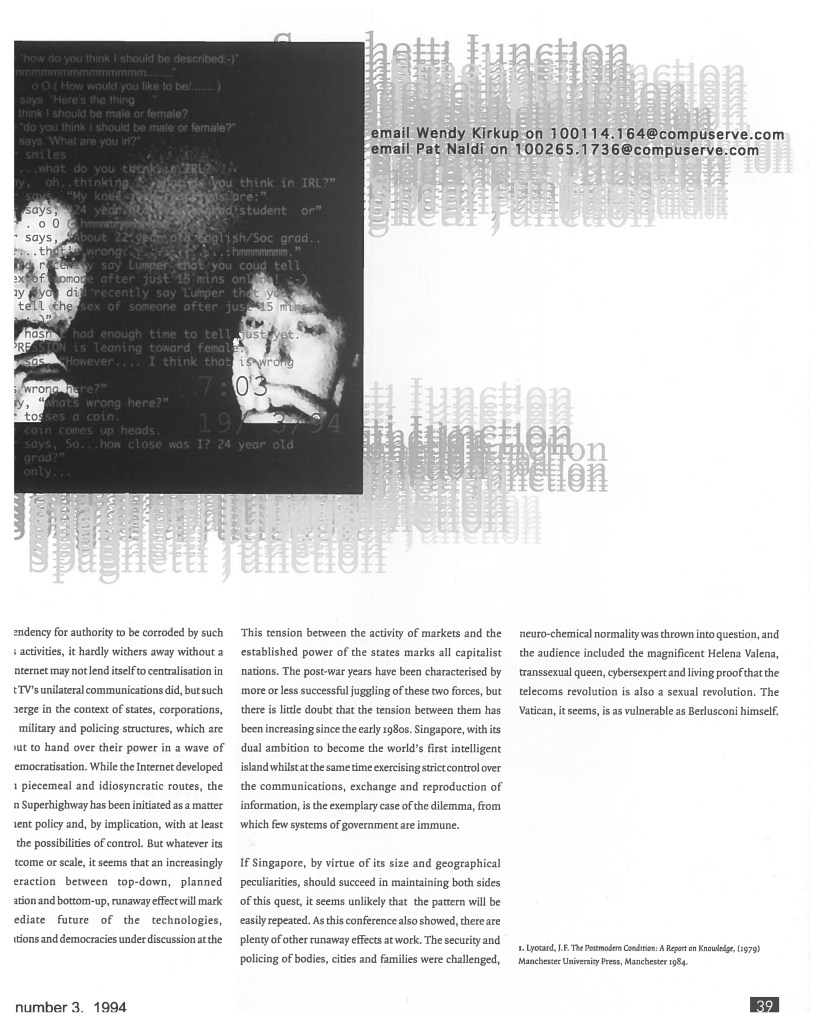
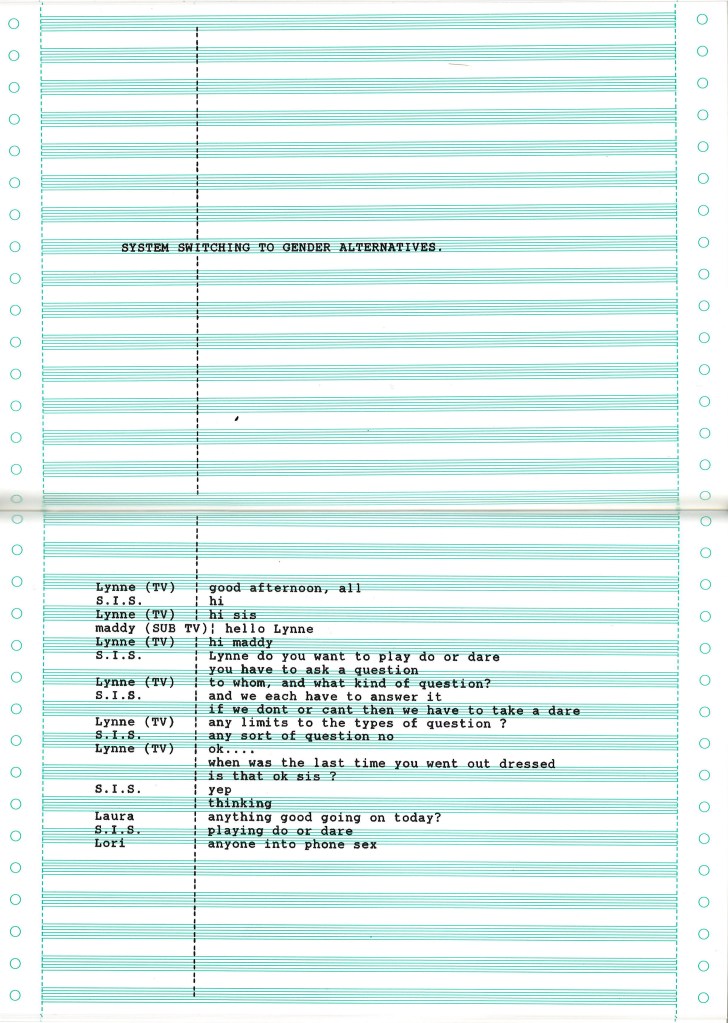
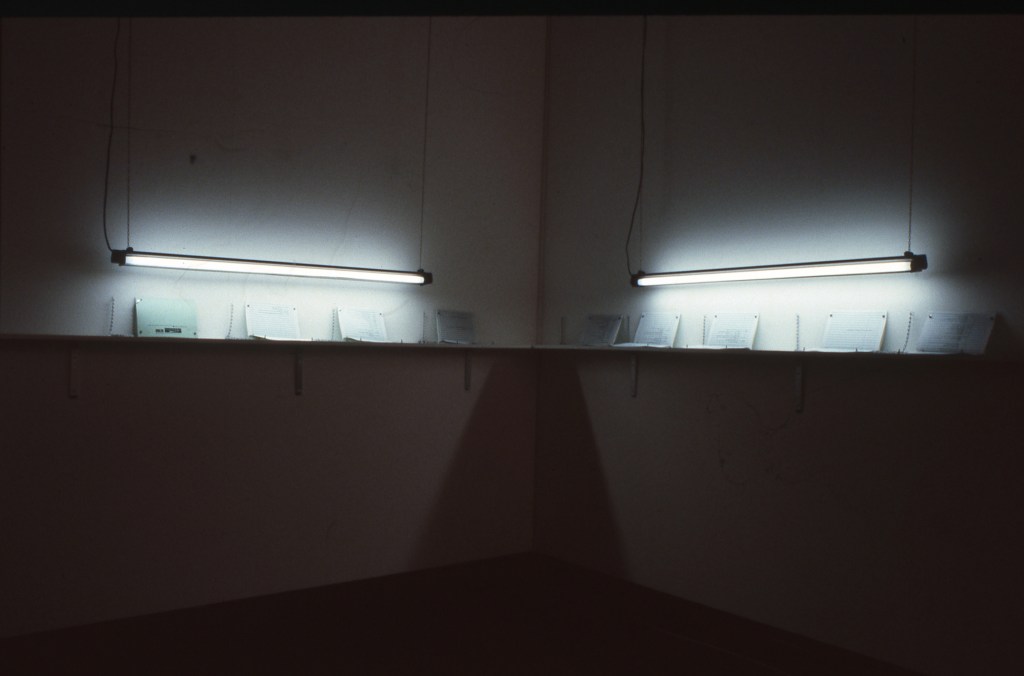
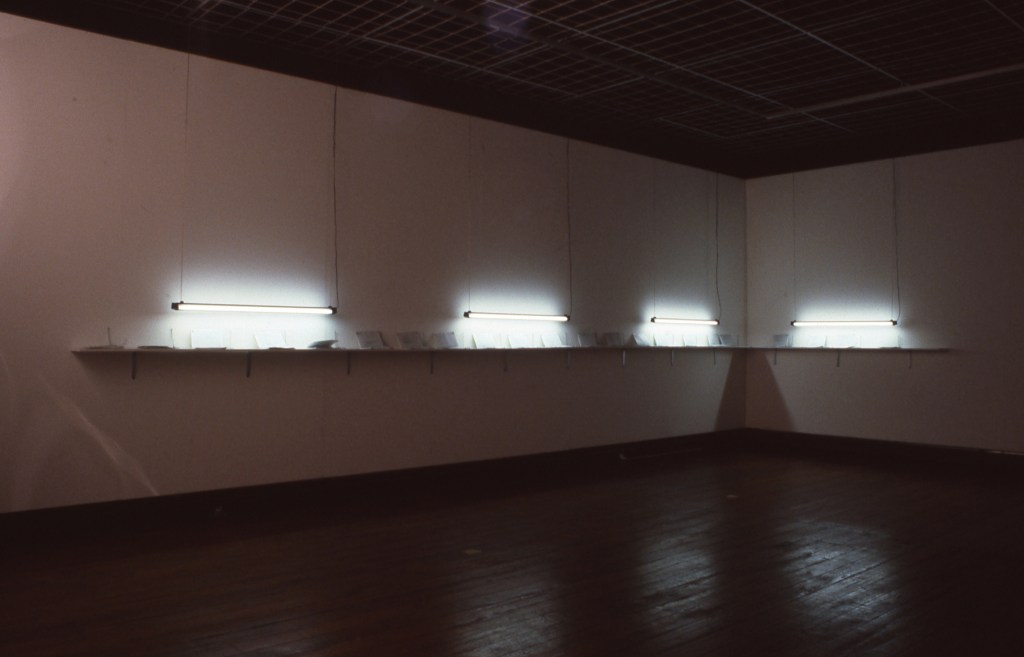
S.I.S. (1992-3) was an early online, real-time interactive work developed through a bulletin board system via CompuServe CB Simulator. S.I.S was the adopted name of both myself and Pat Naldi as we interacted with others within the online world of fictional identities the system enabled.
Developed during a residency at the Banff Centre, Canada 1992-3 with Pat Naldi.
The work was also adapted for publication through out the pages of Versus magazine, 1994.
Exhibition:
1993 Intervening Spaces, Myles Meehan Gallery, Darlington Art Centre. Curated by Alison Lloyd.
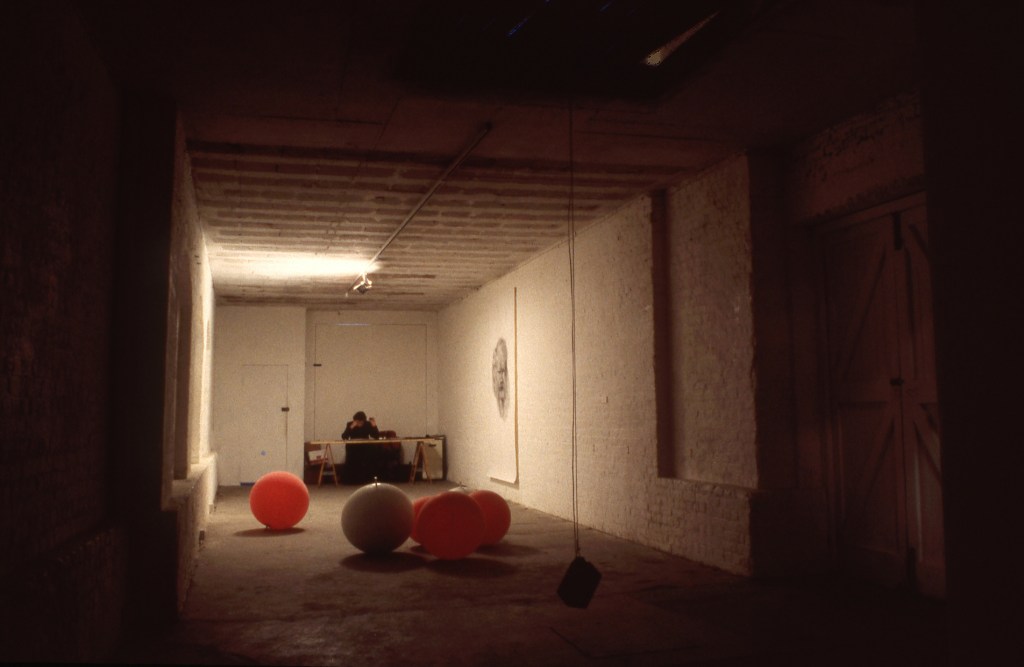
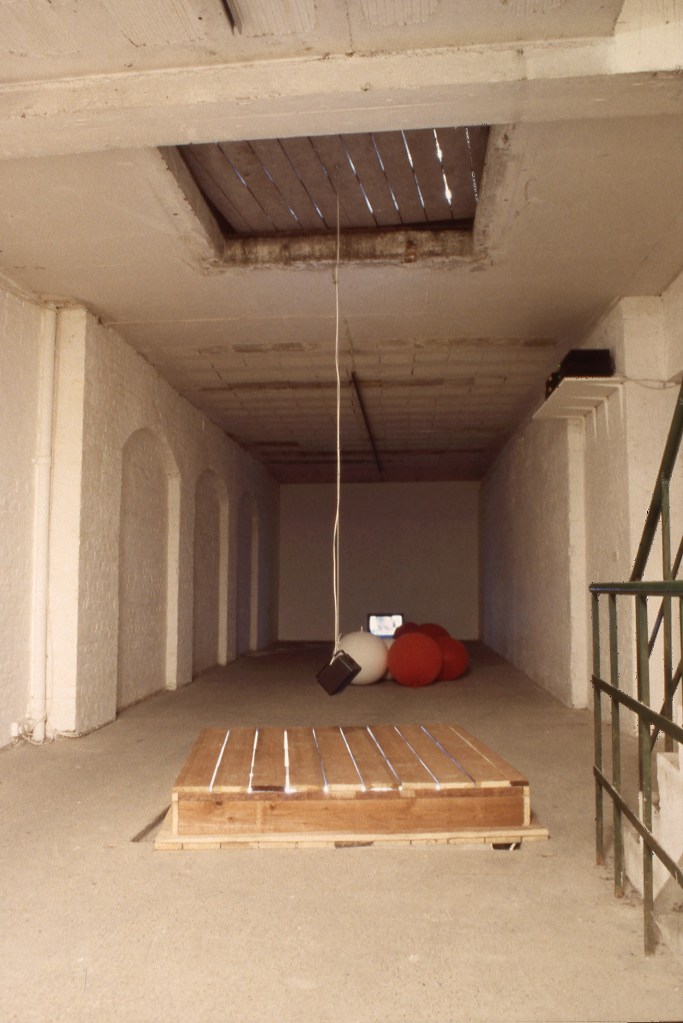
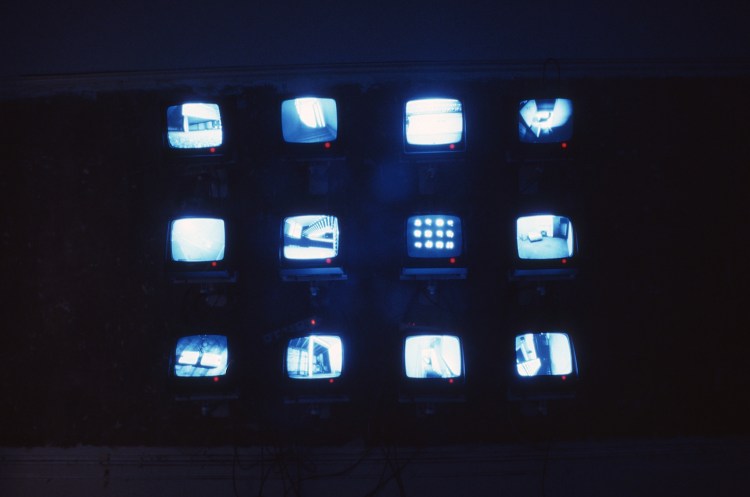
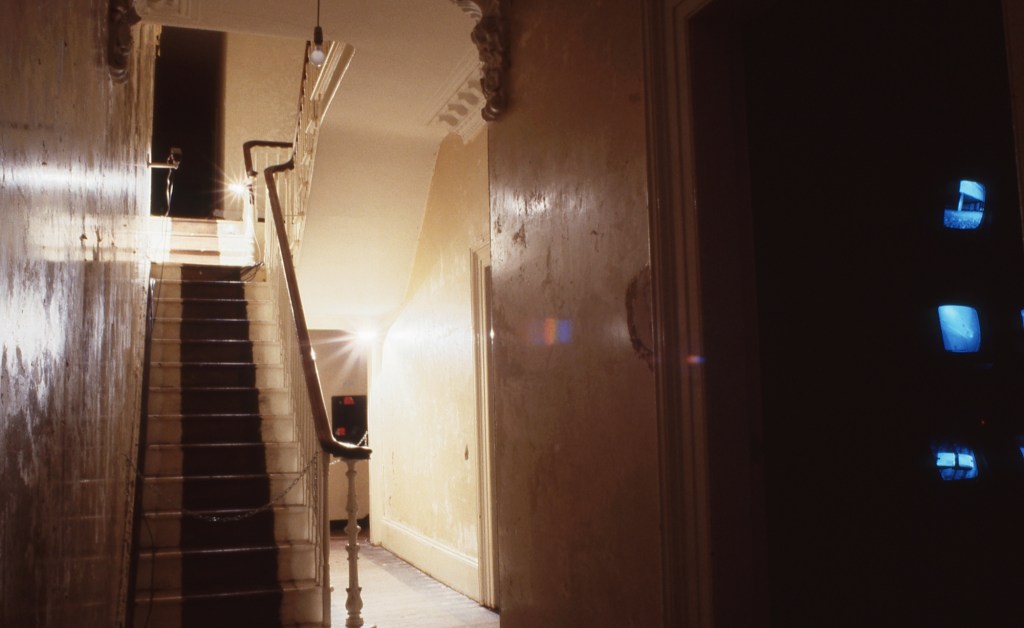
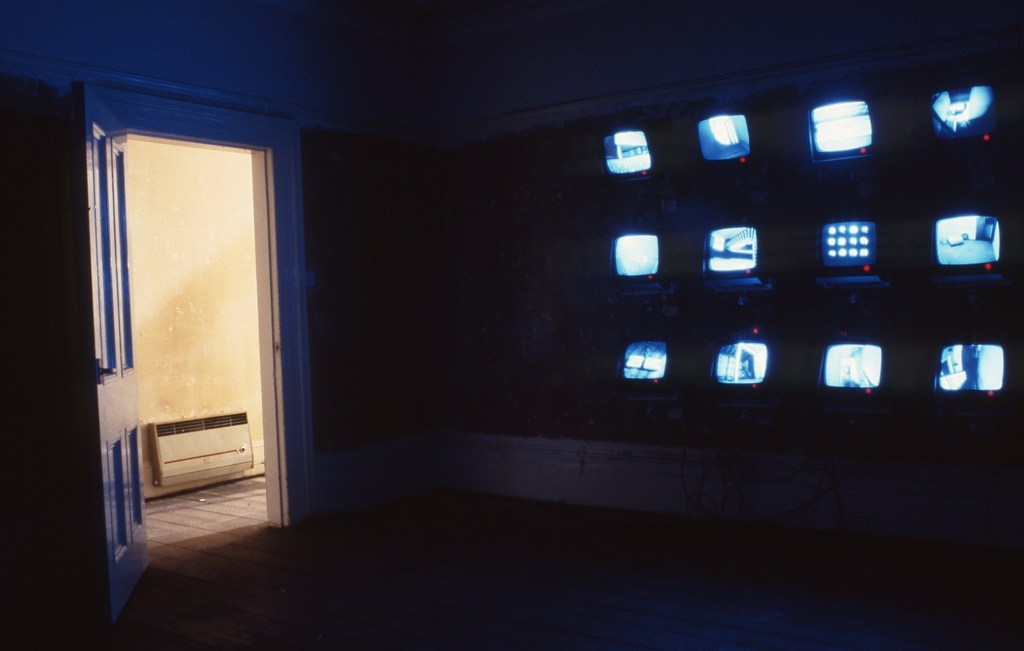
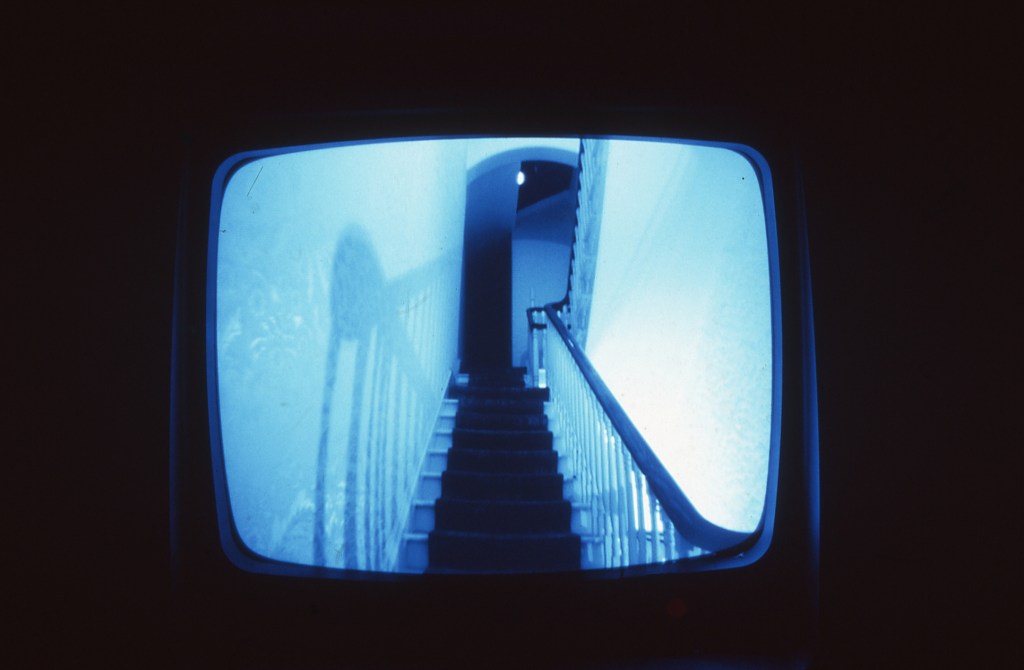
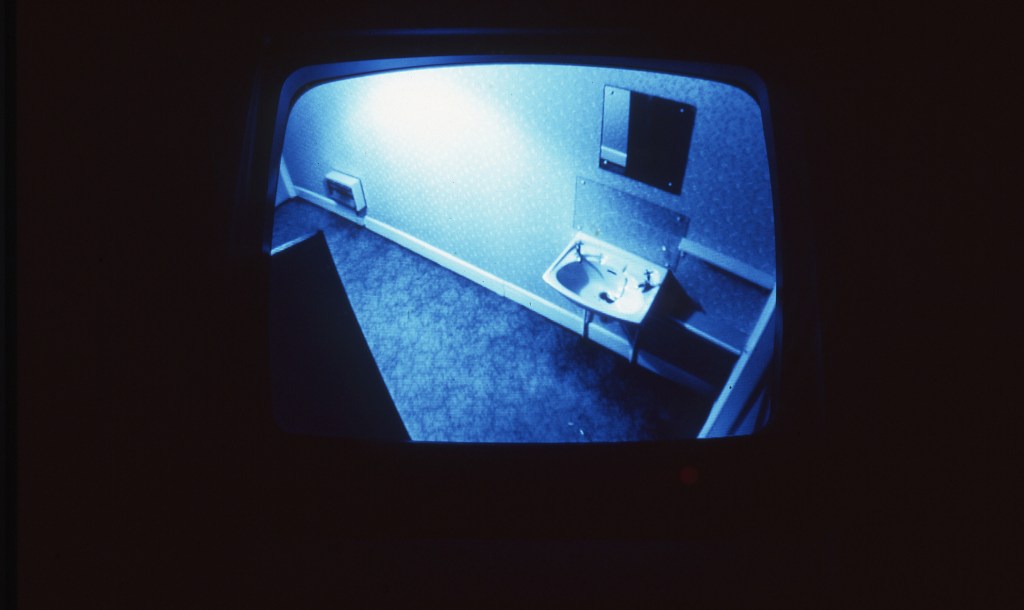
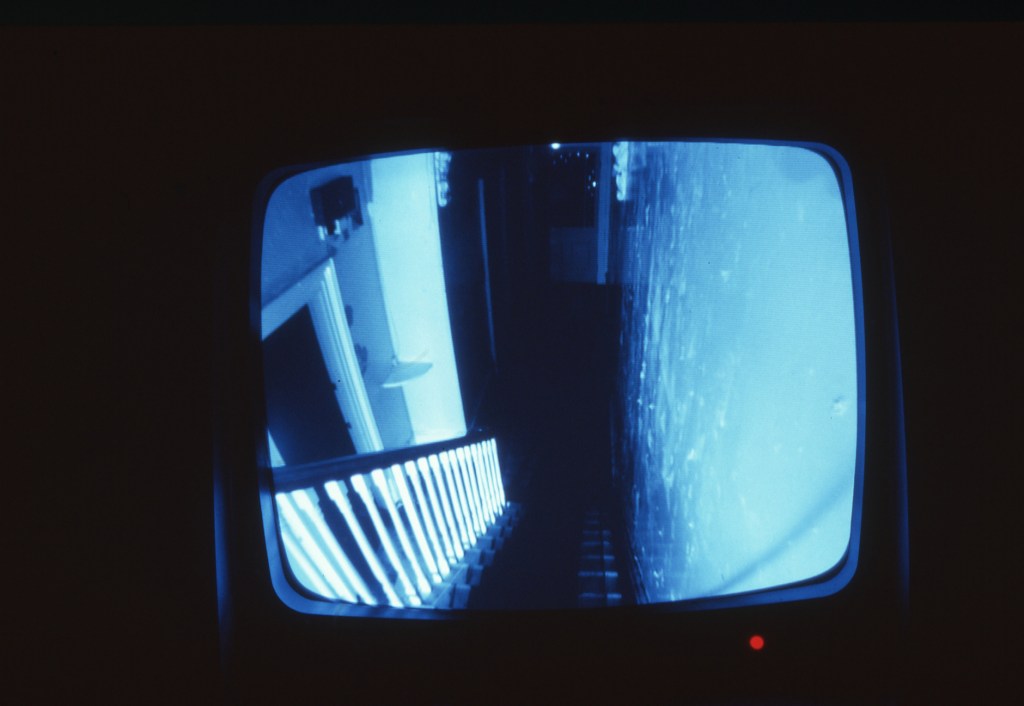
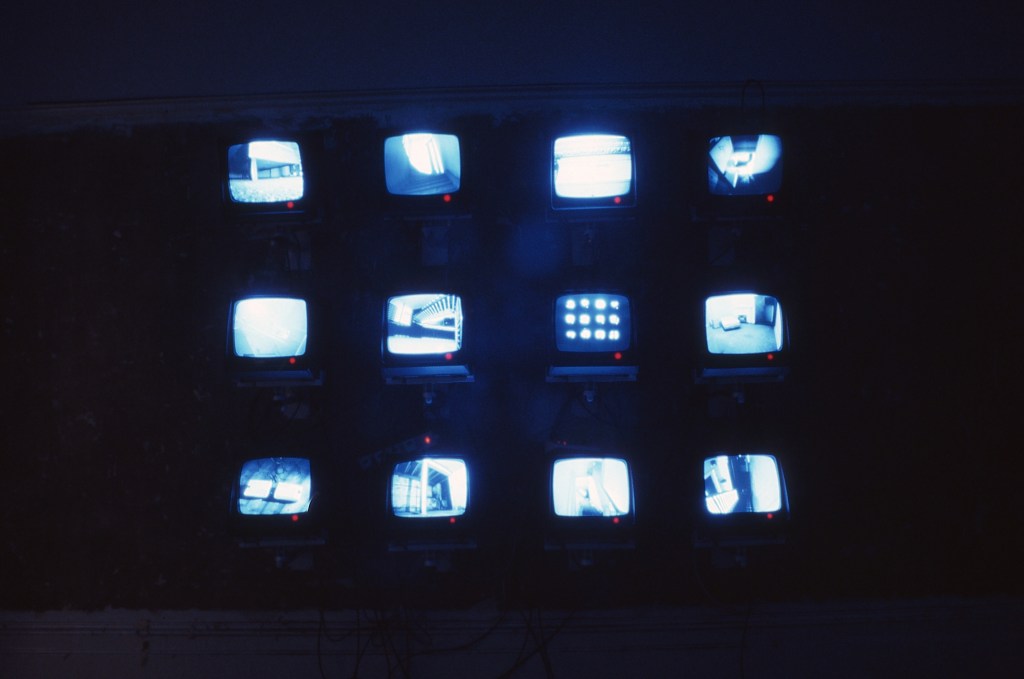
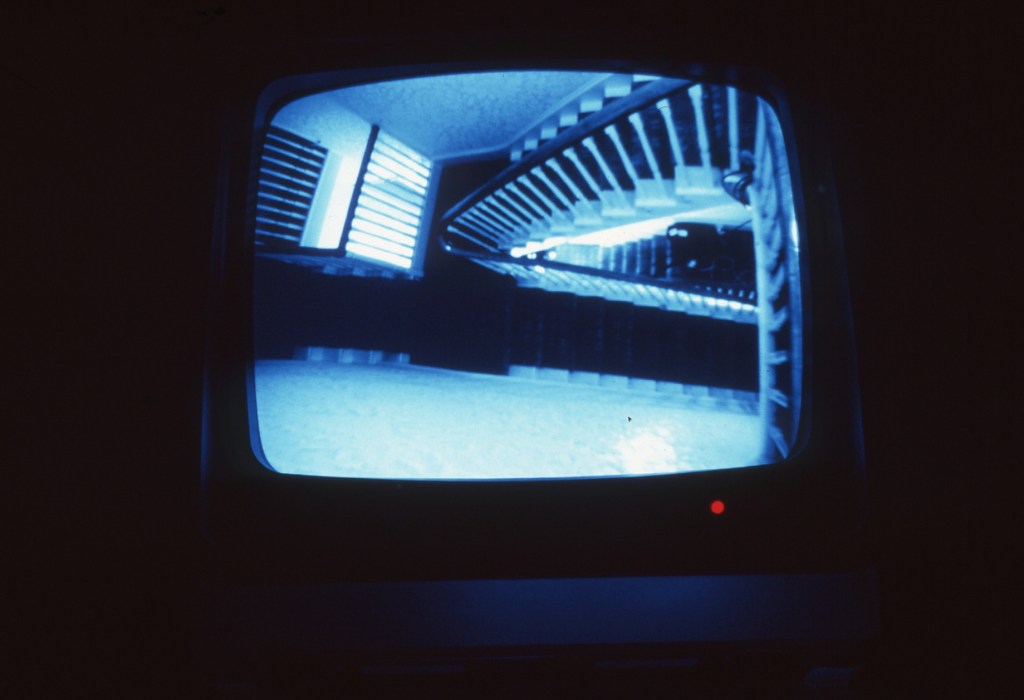
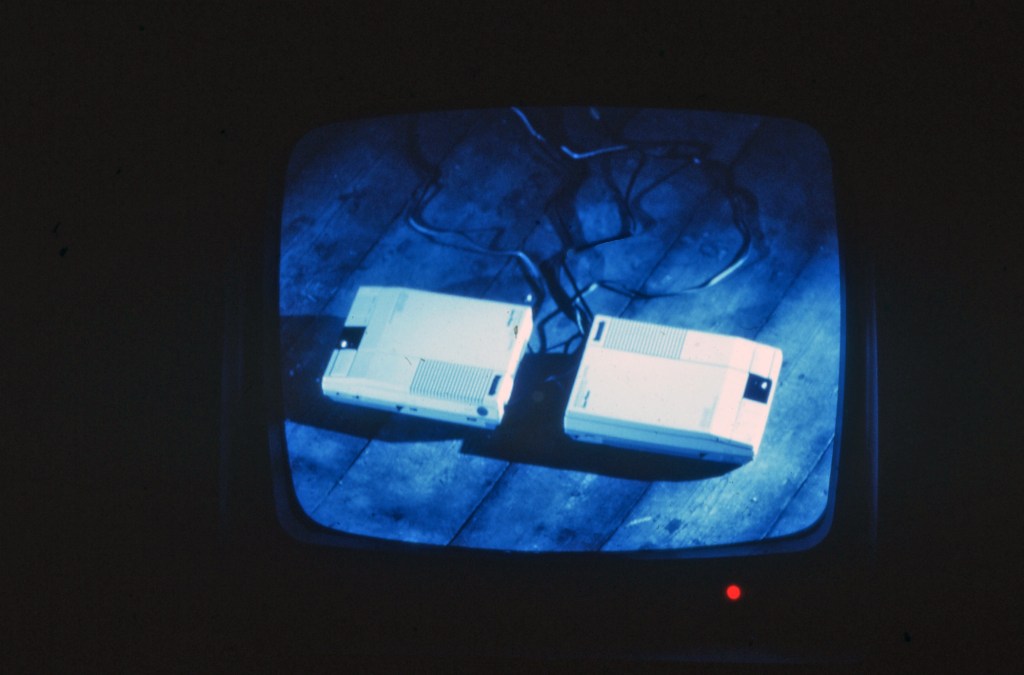
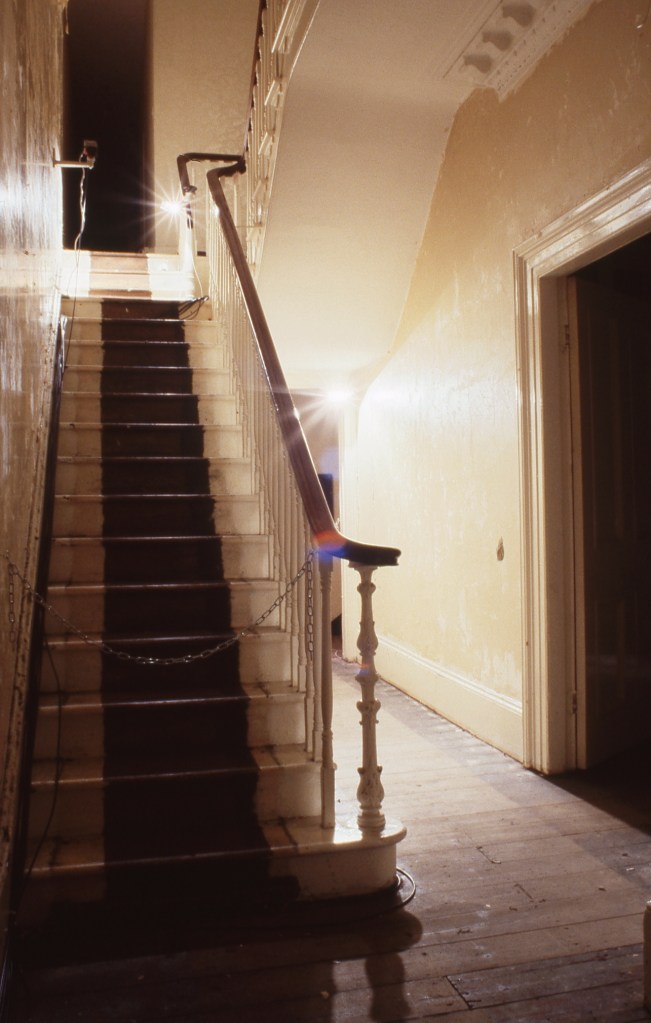
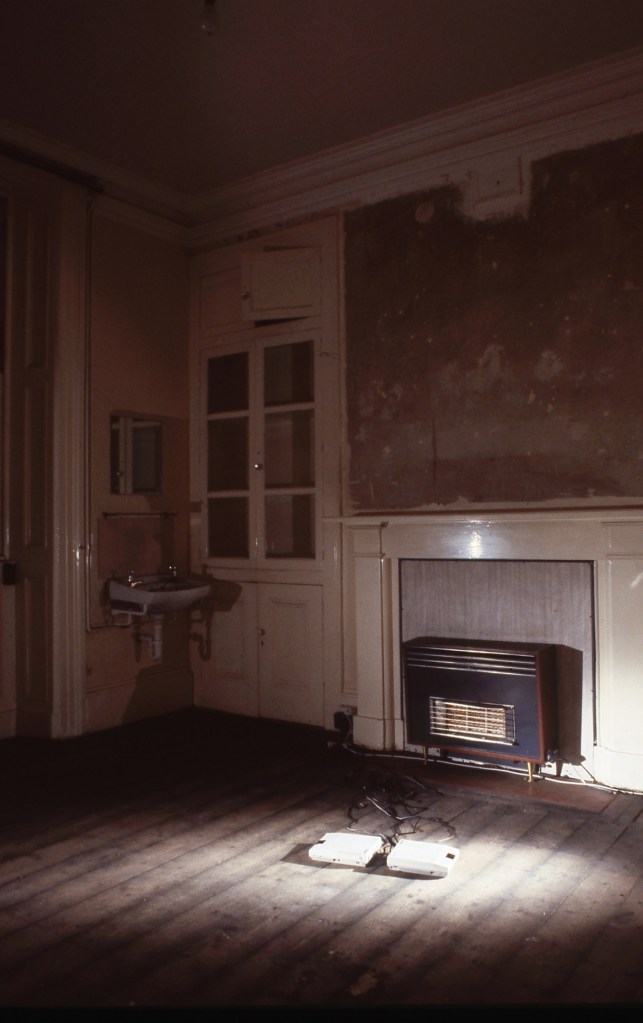
0836-785555 (1991) was a site-specific video installation in Newcastle upon Tyne.
The interior of a disused Victorian house in Newcastle upon Tyne was made visible to visitors via twelve CCTV cameras situated throughout its rooms, relaying images back to monitors installed in the former reception room of the house. Simultaneously, a looped recording of personal memories played continuously on answerphones situated in an adjacent room.
Made in collaboration with Pat Naldi.
Exhibition:
1991 0836-785555 was installed in Framlington Place, Newcastle upon Tyne.
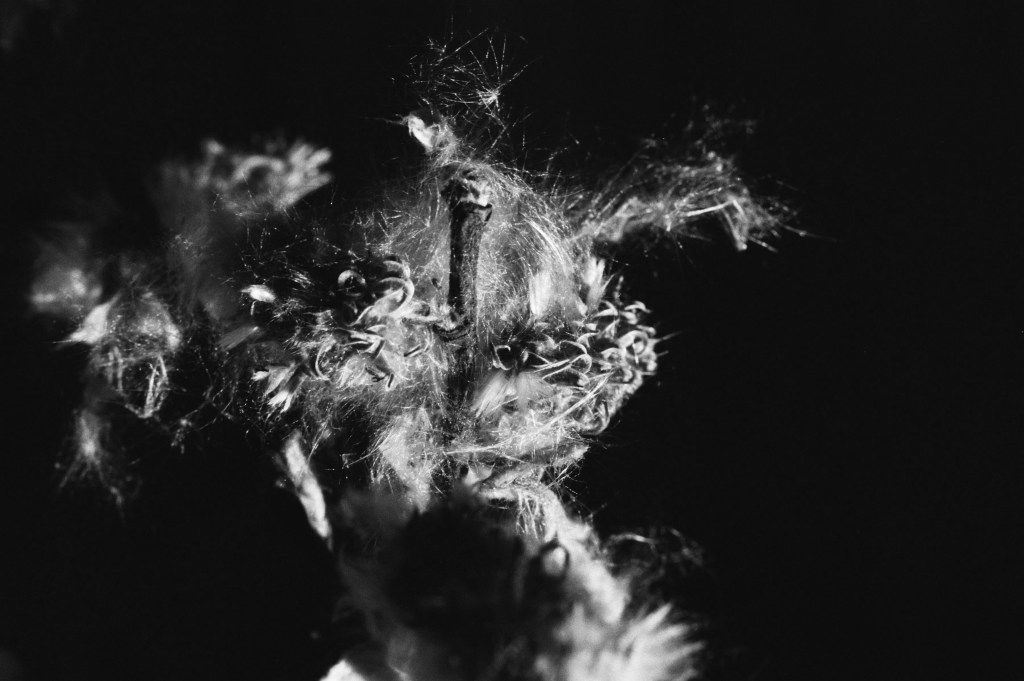
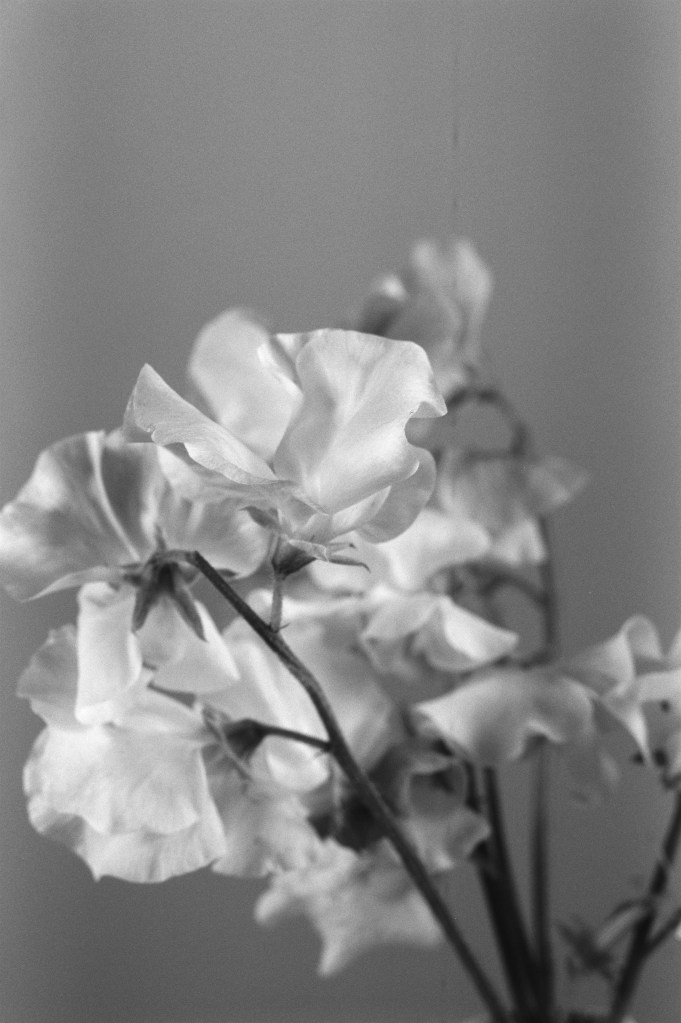
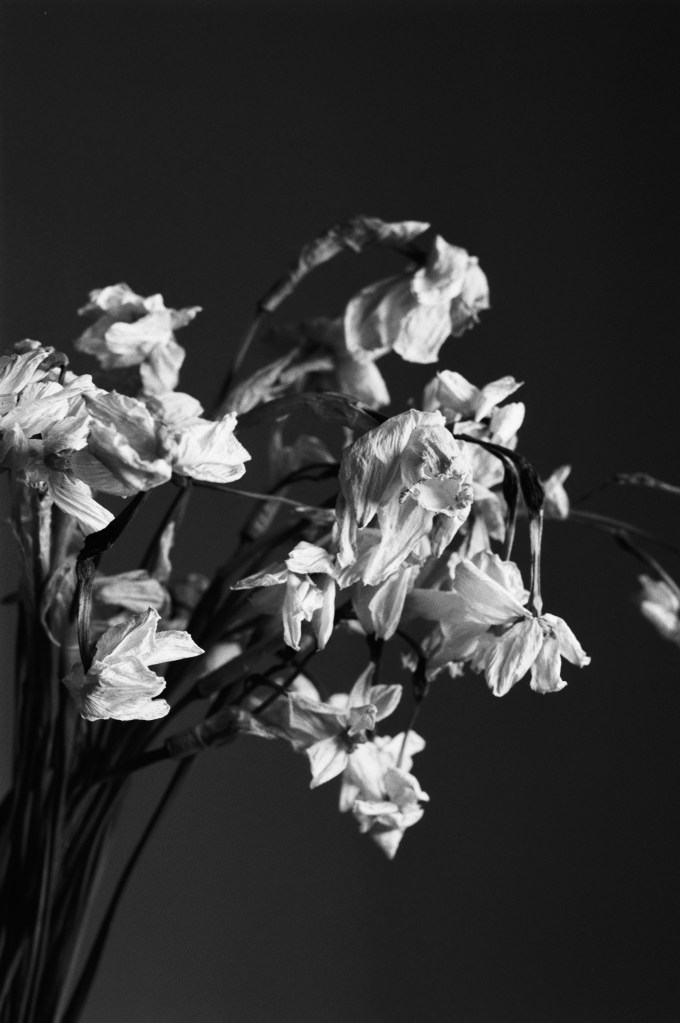
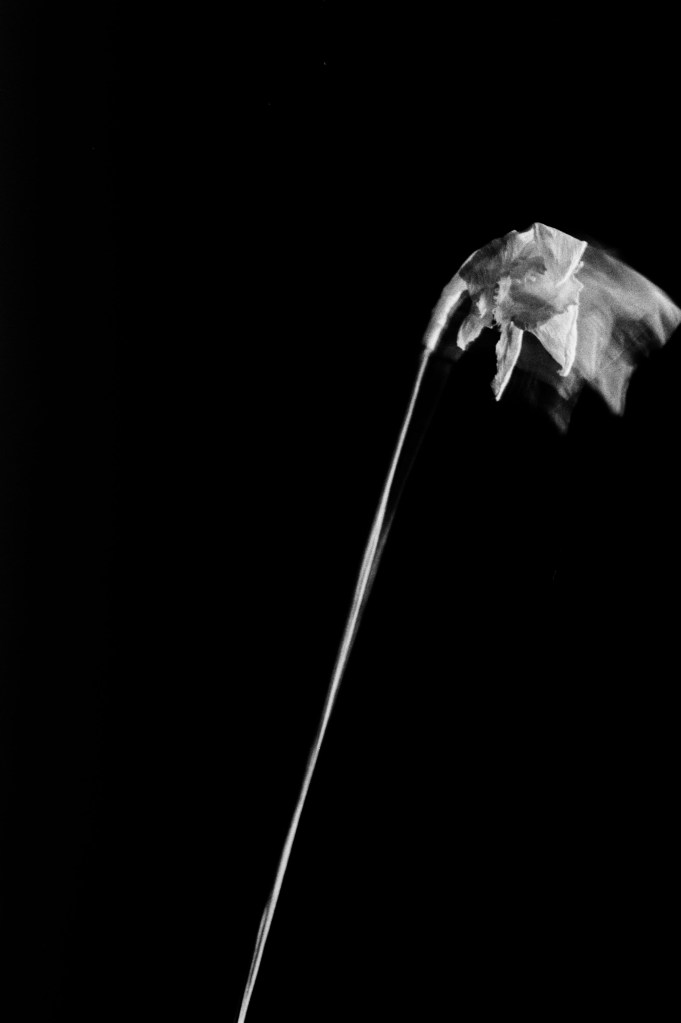
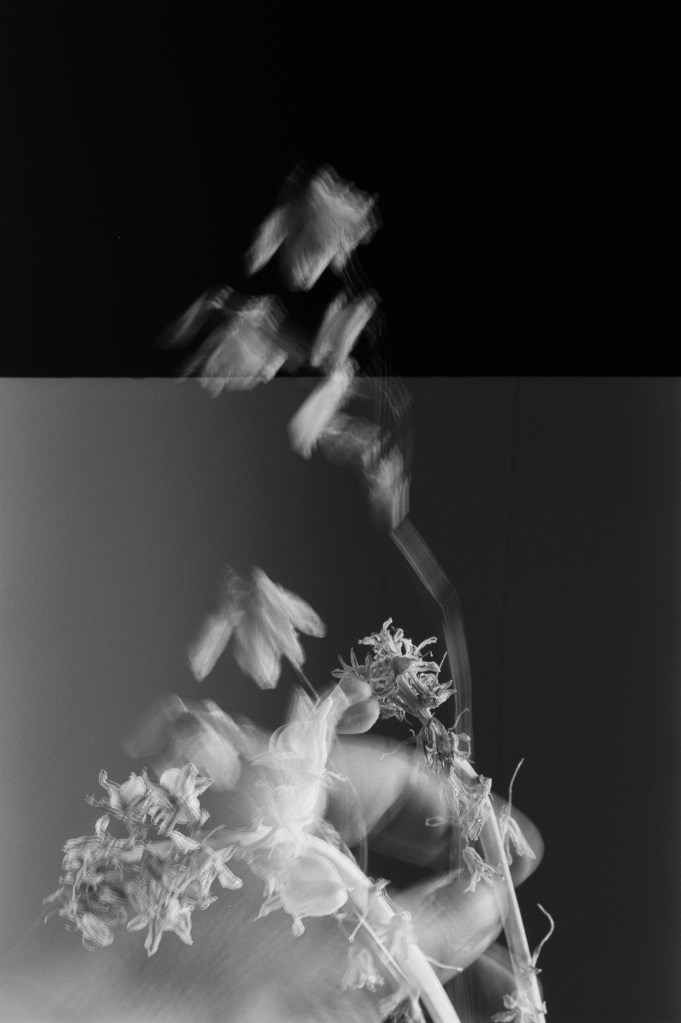
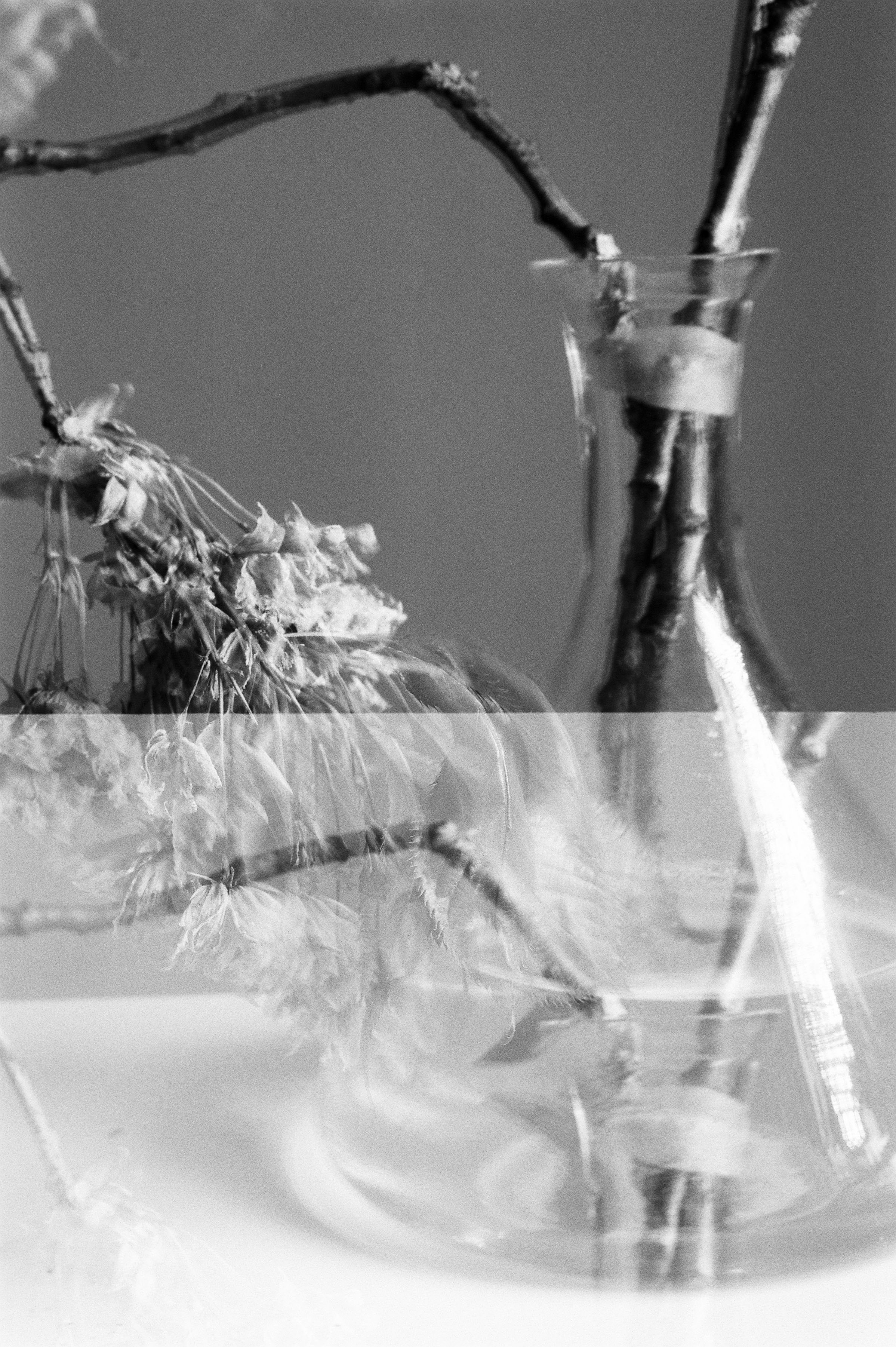
Bouquet (New Hybrids, Black and White), B&W 16mm film, 3 minutes, silent, 2020. In collaboration with Alex Hetherington as part of his larger project Talking, Counting, Blinking, Noting: 16mm film as a collaborative action, 2019-2020. A project made together/apart during lockdown 2020. The 16mm film was passed through the camera first in Glasgow and then a second time in Stirling, registering dislocations in time and space within a single, collaborative, hybrid image.
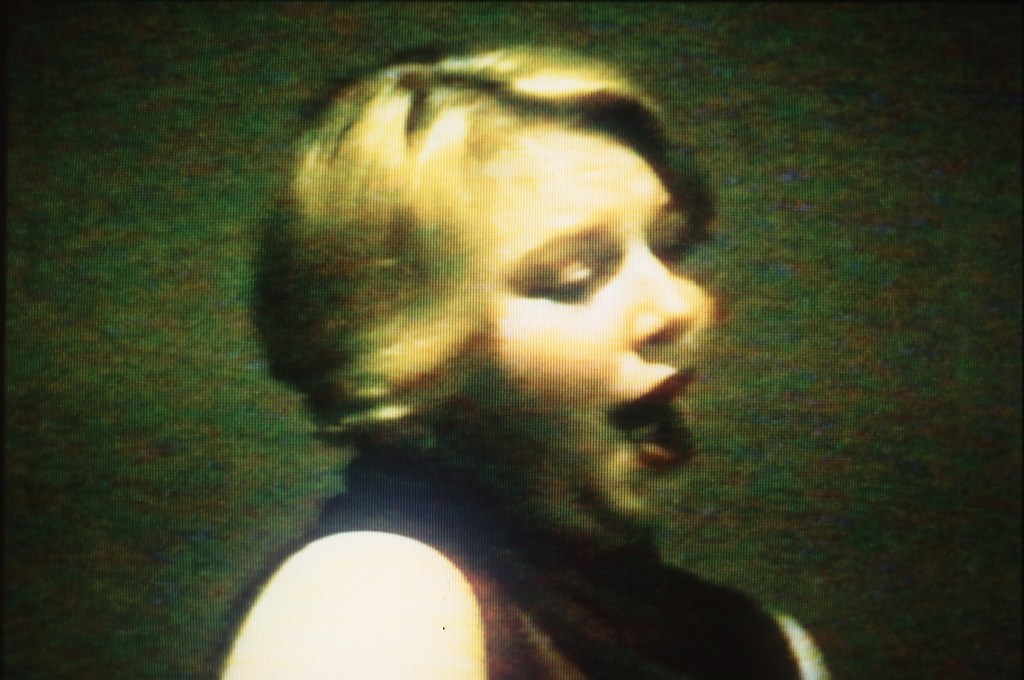
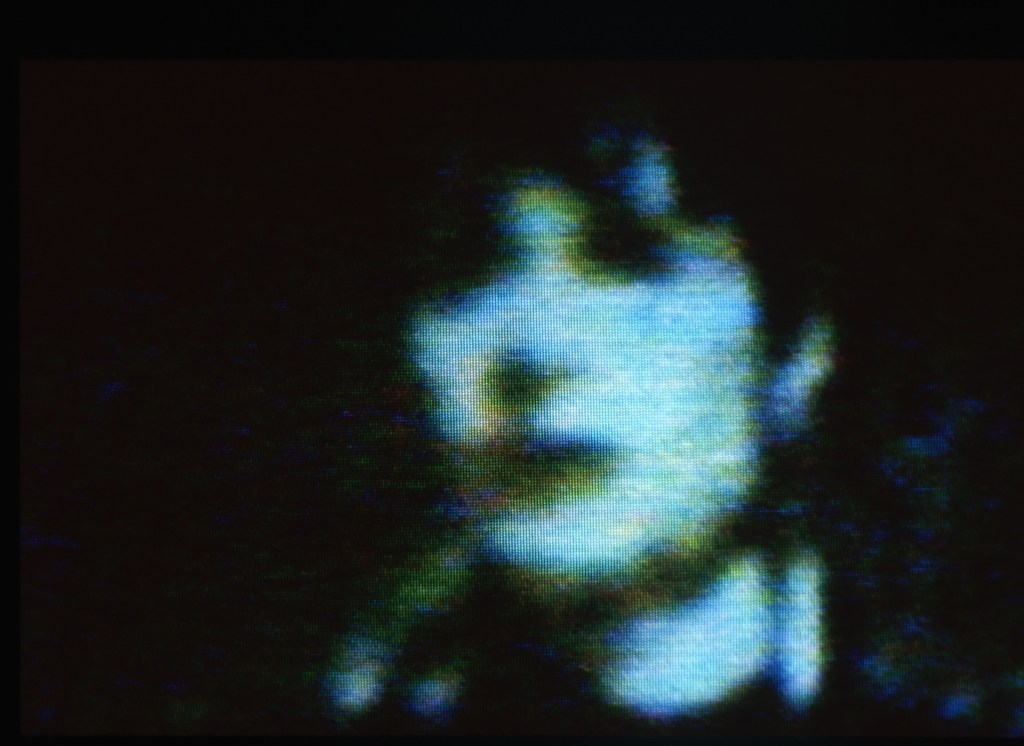
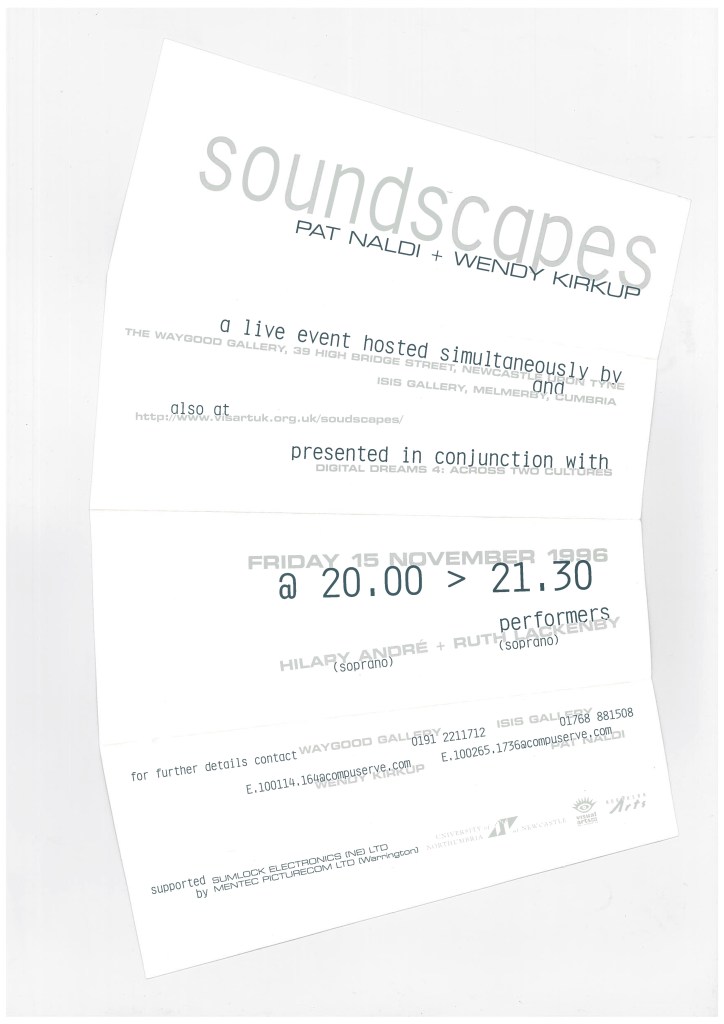
Soundscapes(1996) was a live performance hosted in the Wards Building Basement, Waygood Gallery, Newcastle upon Tyne and ISIS Gallery, Melmerby, Cumbria. The two spaces were linked via ISDN which enabled live sound and video to appear simultaneously in both spaces where two female sopranos performed fragments of unaccompanied operatic duets together, within and across real and digital space. Each gallery hosted one live performer and her dueting partner, whose video image was projected live onto a large screen from the connected site.
The work was performed across a virtual line between two geographic sites on either side of the North of England, a narrow geographic point resembling the ‘throat’ of the country, and one which echos the position of the Roman fortifications, Hadrian’s Wall.
Made in collaboration with Pat Naldi.
Exhibition:
1996 Soundscapes was performed concurrently with the conference/event Digital Dreams 4: Across 2 Cultures.
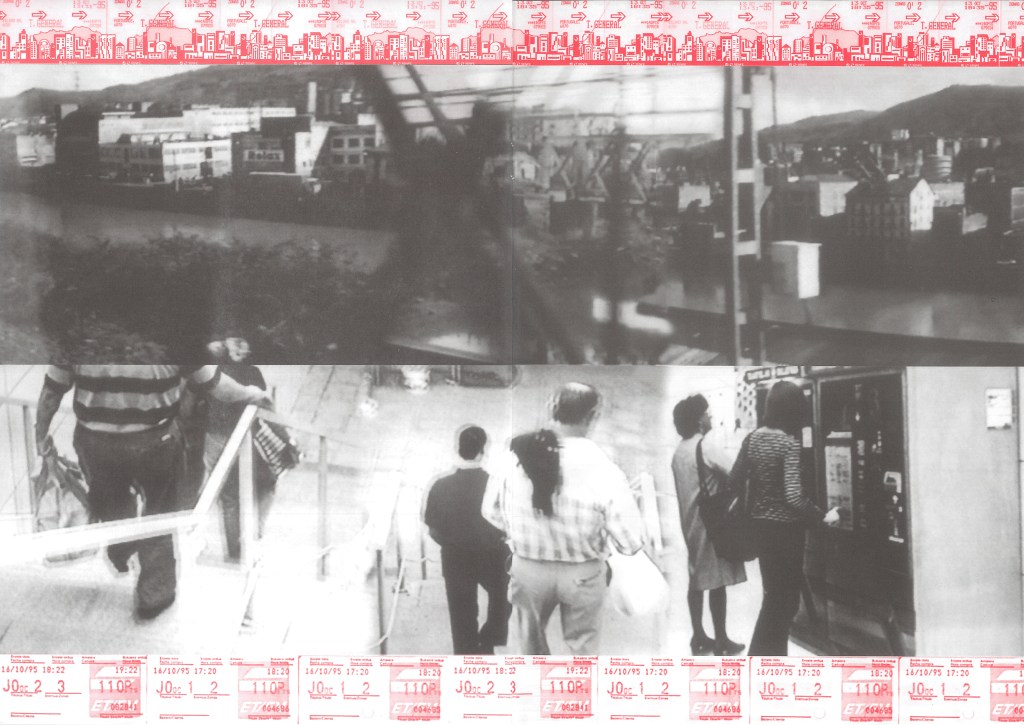
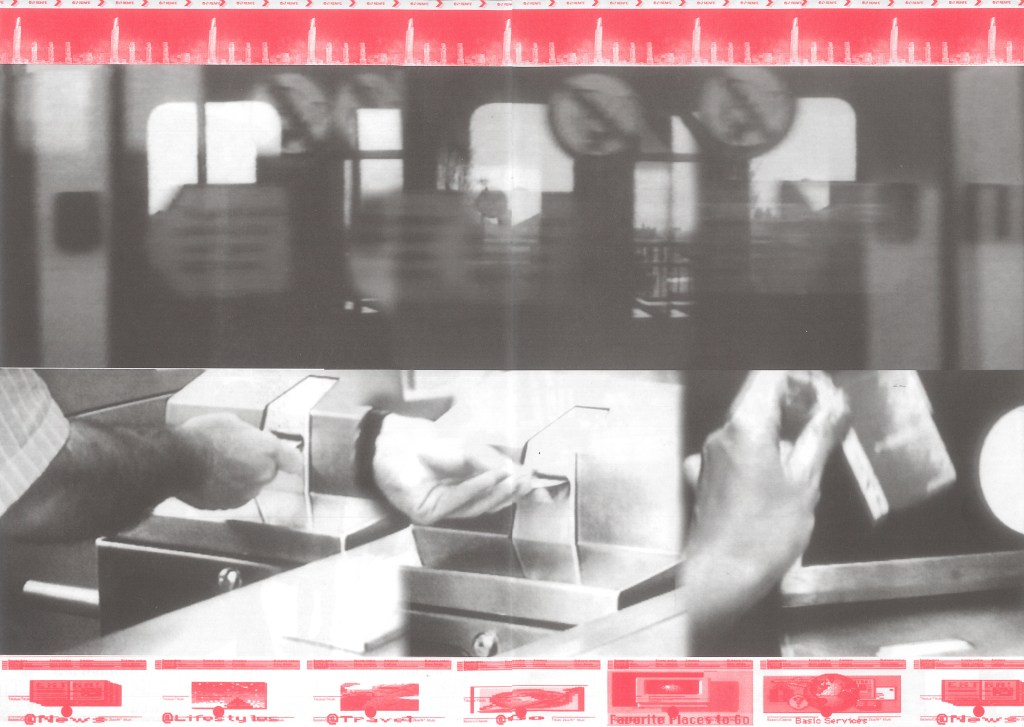
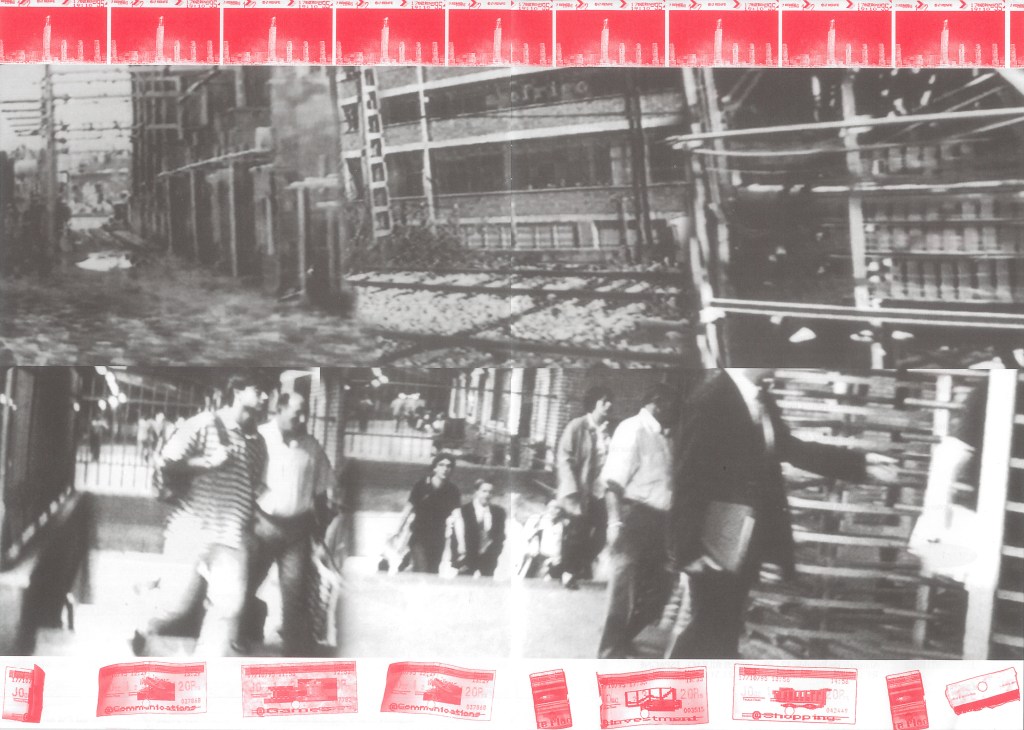
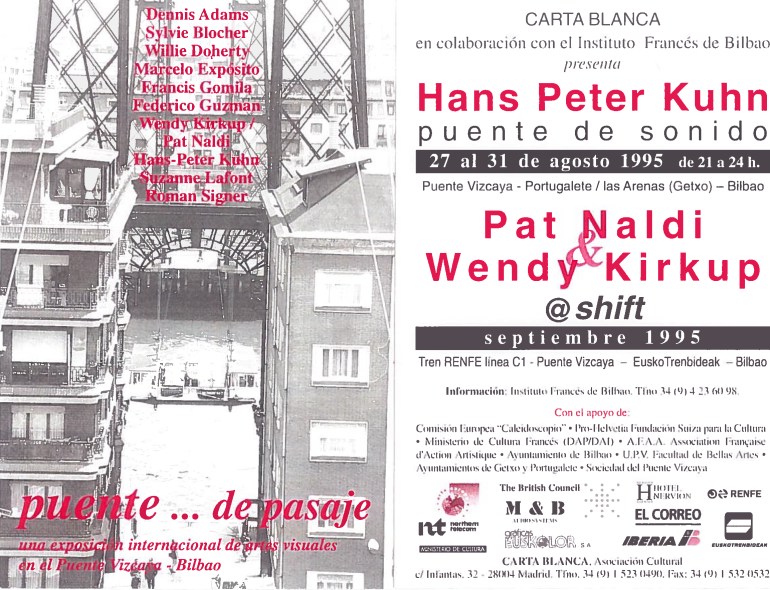
@shift (1993) was an intervention into the city of Bilbao as the city undertook a programme of regeneration. Railway tickets for the RENFE & Eusko Trenbideak rail companies operating the routes along both sides of the Nervion River and the heavy industries it had supported, were redesigned with images suggesting a future in the flow of digital space.
Made in collaboration with Pat Naldi.
Exhibition:
1993 puente … de pasaje was a collaboration between CARTA BLANCA and Instituto Francés de Bilbao, curated by Corinne Diserens.
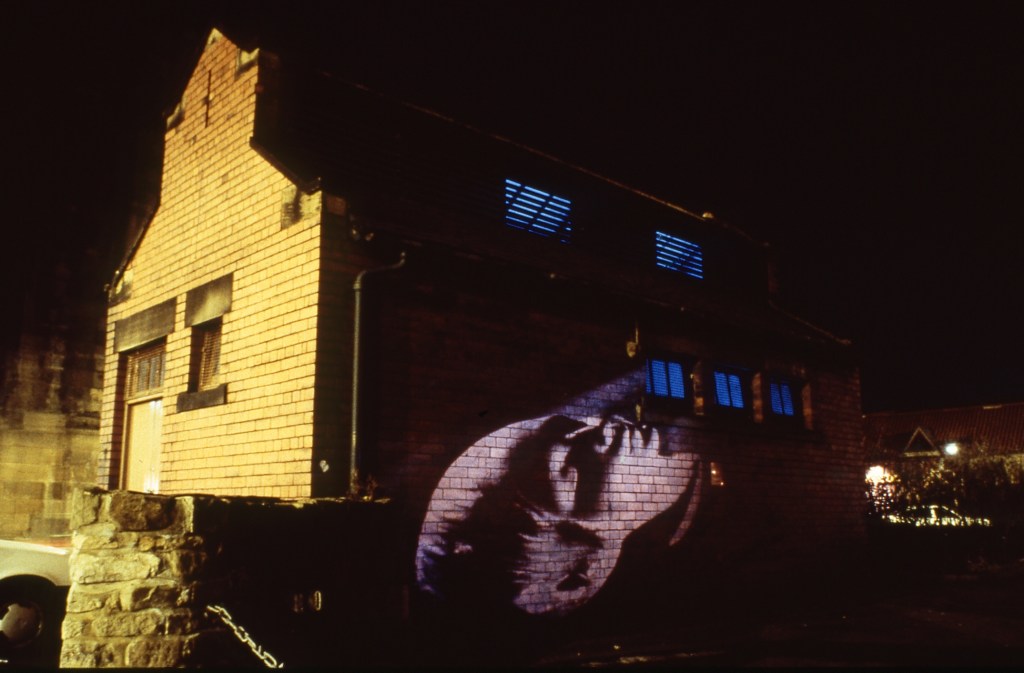
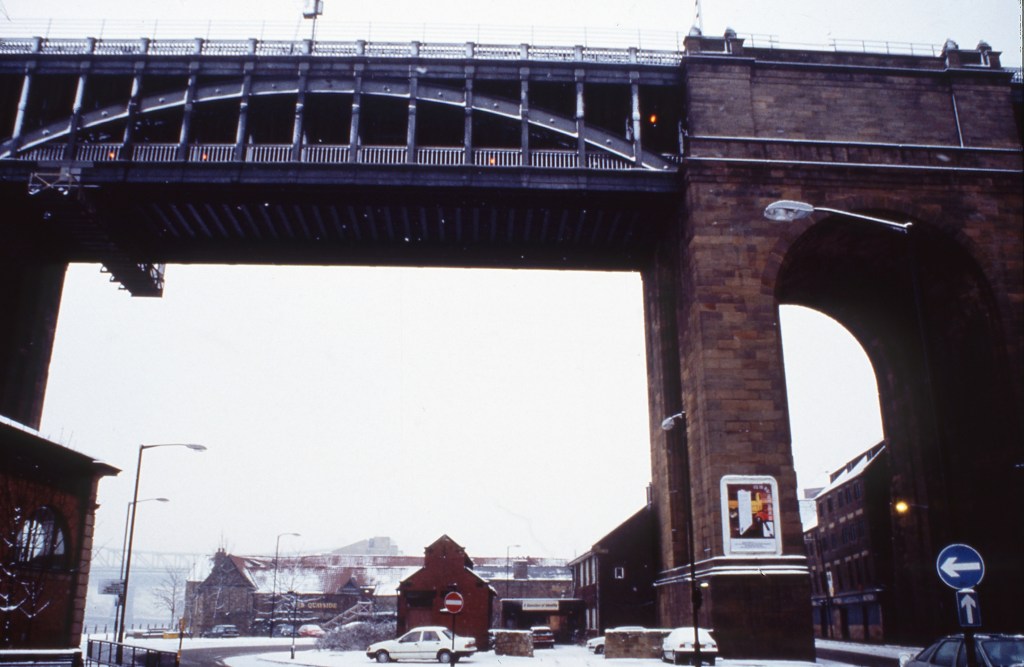
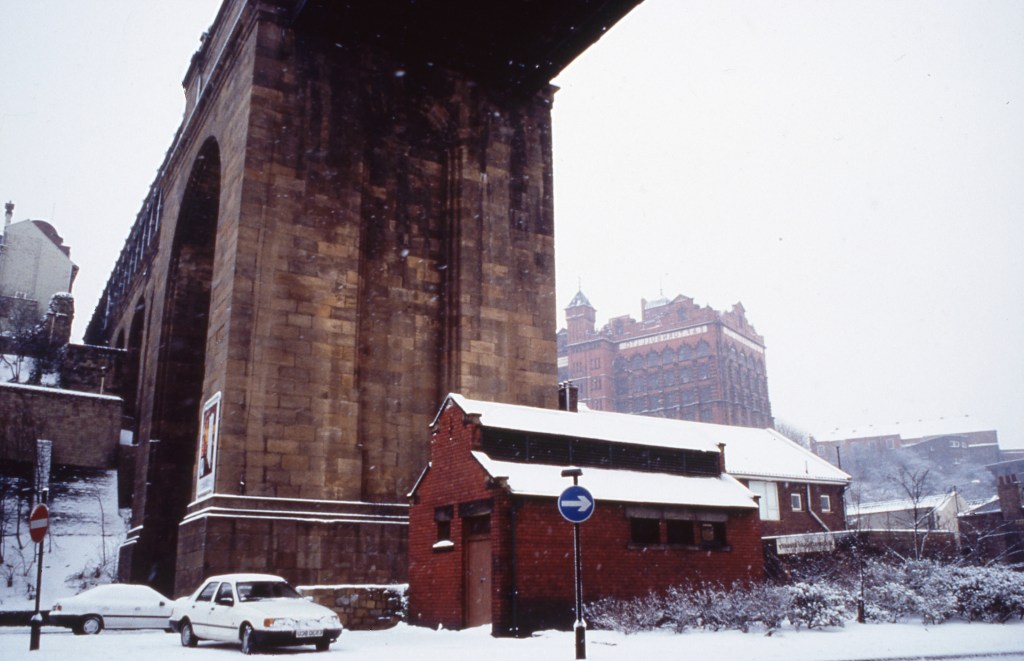
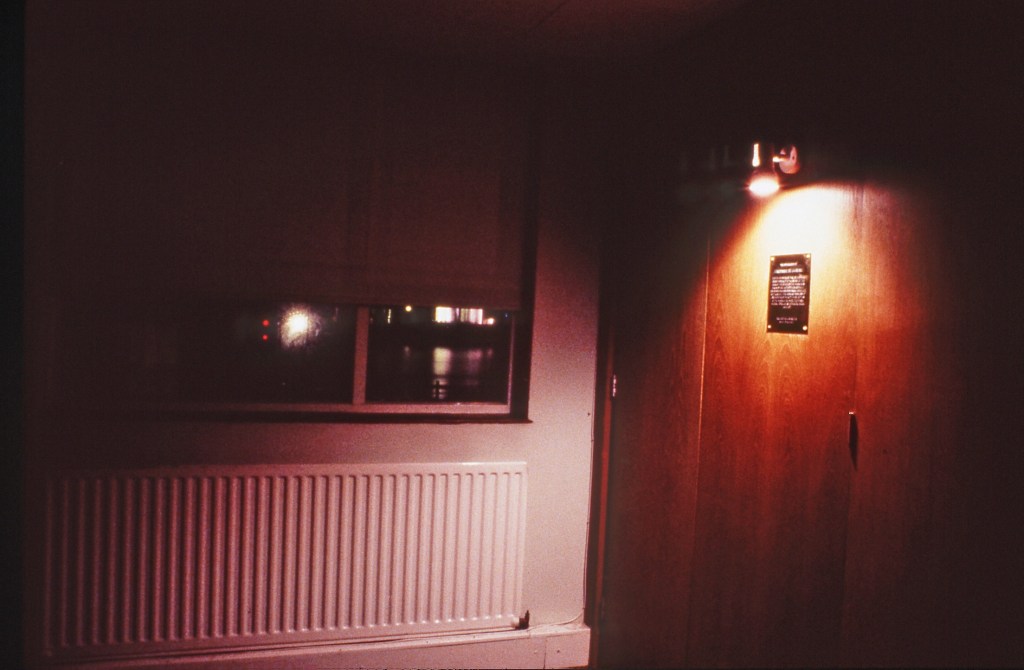
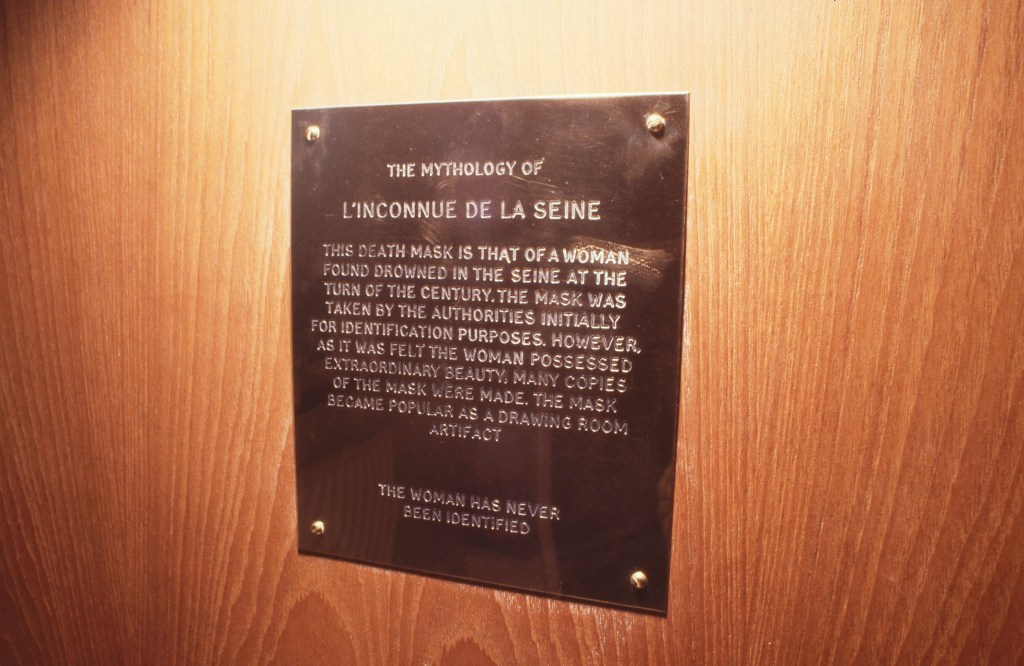
L’Inconnue de la Seine(1991) was a 24-hour slide projection on to the side of a small mortuary situated on the banks of the river in Newcastle upon Tyne. The work drew upon the story of L’Inconnue de la Seine, a death mask reputedly cast from the face of an unknown woman who drowned in the river Seine in Paris, in the late 19th century. The cast was mass produced for public consumption in the 20th century, while also becoming the inspiration behind many works of art and literature.
Although the slide was projected 24 hours a day, the image only became visible after darkness.















 Wendy Kirkup